
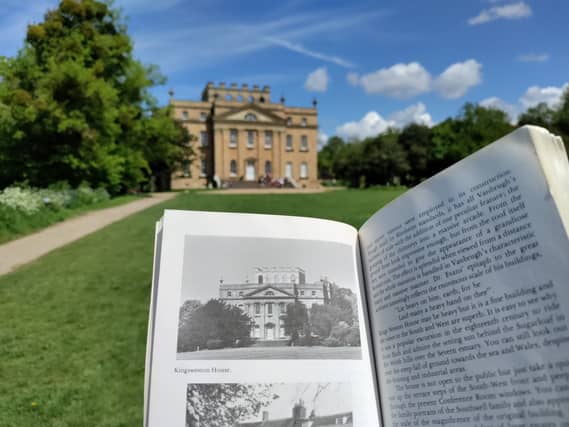


When I saw it, I just couldn’t resist buying it. There, on eBay, was a small hand-sized book called ‘Walking around Bristol’ by Helena Eason, printed in 1979 - and I could buy it for under £10!
Please forgive me for my love of walks and nostalgia, as previously seen here, but I thought it’d be of interest to read how an area of Bristol looked like through the eyes of someone nearly half a century ago, compared to now.
Back in 1979, of course, there were fewer cars, and more buses. Bristol was smaller in terms of housing. And there were many more pubs open.
But, as I found out, many places, as well as attitudes, haven’t changed. In her introduction, Ms Eason says ‘it is a sad fact that Government economies and local vandalism’ sometimes lead to buildings becoming damaged or/and derelict.
The walk I chose was Walk 4, from Lawrence Weston to Kings Weston to Shirehampton, and I completed it with my family on a beautiful, warm day last week. It took me from Lawrence Weston, past the Giant Goram pub and up to Kings Weston House. Then we walked down into Shirehampton before finishing at The Lamplighters pub.
We managed to get a bus back from Shirehampton to Lawrence Weston to also take us back to our car. Here’s a collection of photographs showing the way we took with comments from the 1979 walking guide book:
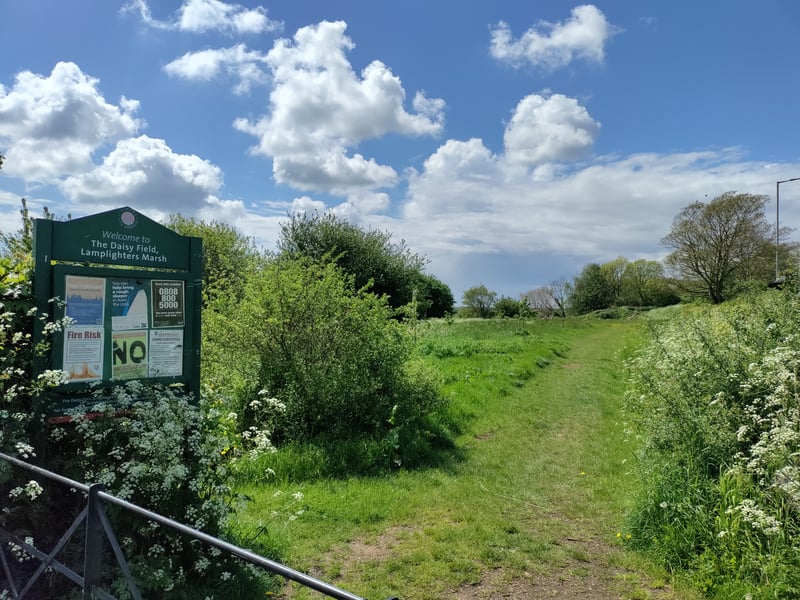
13. The Daisy Field
Just over the Portway bridge is The Daisy Field where during the FirstWorld War hundreds of thousands of horses imported from America were temporarily kept. Today’s it’s a peaceful nature reserve. | Alex Ross
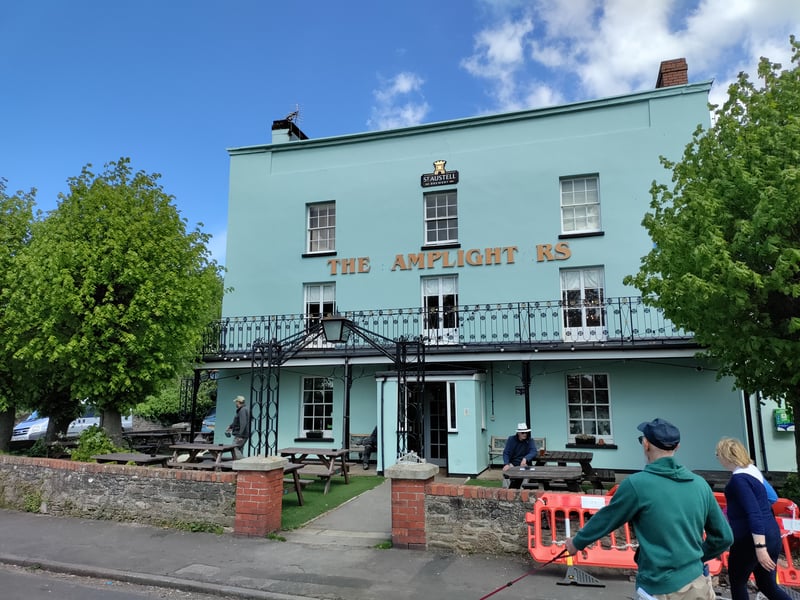
14. The Lamplighters pub
The walk down Station Road, under the railway bridge, takes you to the water’s edge and The Lamplighters pub. The guide book author notes that the pub dates back to 1772 when a man called Joseph Swetman, who was a tinman working in Bristol, built the house from profits he made in contracts to light oil lamps in the city. During Regency times, the author adds, the area enjoyed a vogue as a fashionable weekend resort, and the pub landlord was so busy that he had to bring in waiters from as far as Bath to help. Today it’s still a popular spot for walkers on weekends. | Alex Ross
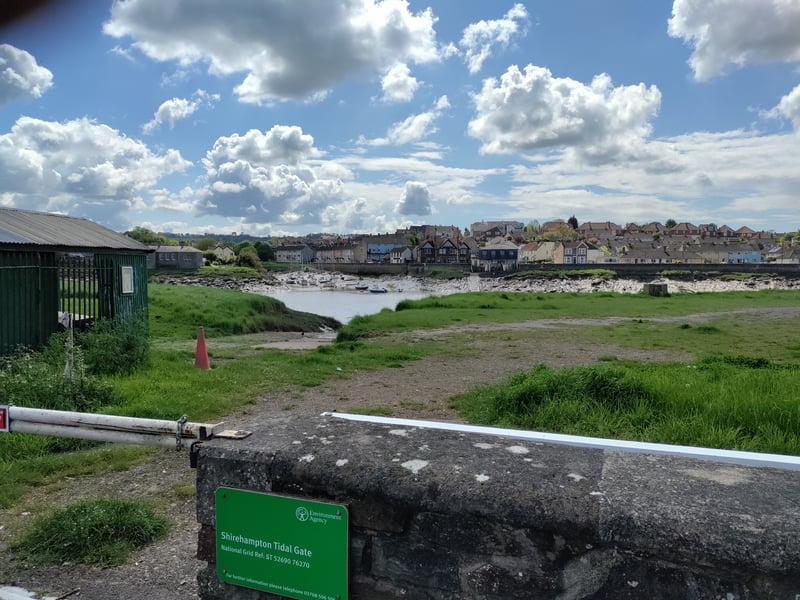
15. Historic landing point
Just opposite the pub is the landing point for King William of Orange in 1690 following his victory at the Battle of the Boyne in Ireland, while making his way to Kings Weston House. It also later served as a ferry point for boats crossing to Crockerne Pill - but this stopped in the later 1960s. | Alex Ross