

Until last month, the education watchdog inspected schools regularly and assigned them one of four different ratings: ‘Outstanding’ is the top rating, followed by ‘Good’, ‘Requires Improvement’ and ‘Inadequate.’
The classification is based on five key categories: quality of education, behaviour and attitudes, personal development, leadership and management, and either early years or sixth form provisions (depending on whether the school is primary or secondary).
These were the last 25 schools that received an Ofsted rating in 2024 before the system was scrapped.
The majority received a ‘Good’ rating and five ‘Required Improvement’.
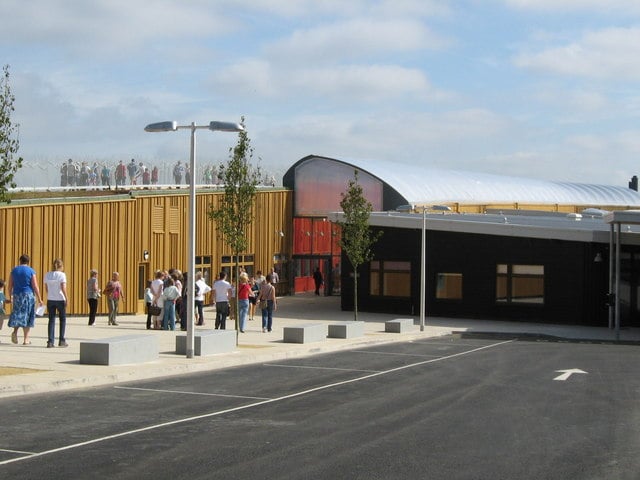
21. Redland Green School, Redland Court Road, Redland, Bristol, BS6 7EH
School type: Secondary. Rating: Good. Published on January 24, the Ofsted report for Redland Green School reads: "The school and the trust are aspirational for pupils. Leaders know the school well. They initiate changes and improvements effectively. Pupils learn an ambitious and inclusive curriculum. Students in the sixth form have a broad and varied range of subjects available to them. The school identifies where pupils have special educational needs and/or disabilities (SEND) quickly. Appropriate support, which is reviewed regularly, is then put into place. Staff have a secure understanding of the barriers for pupils with complex needs. They make adaptations to support these pupils to follow and learn the full curriculum. In many subjects, there is a clear vision for what pupils will learn and achieve. In these subjects, leaders have carefully considered the order in which they introduce knowledge to support pupils to build their understanding over time. However, in some subjects, exactly what pupils will learn is not outlined in sufficient detail. Reading is celebrated at the school. There is a library space which pupils enjoy learning in and many visit it during social times. Pupils who find reading difficult are supported to catch up with their peers. However, some pupils still avoid reading and it is not a habit for them to read for pleasure. The school is an inclusive and respectful environment where difference is celebrated. This is supported by the school’s personal development programme (APEX). Pupils are taught how to keep safe online, to recognise healthy relationships and to understand the protected characteristics. Students in the sixth form are particularly articulate in talking about equality, diversity and inclusion. Pupils of all ages value and respect people with different backgrounds and beliefs to them. Pupils receive high-quality careers advice and extensive information to support their next steps. Students in the sixth form are well informed about different pathways, including university, apprenticeships and the world of work." | George Evans / Wikimedia
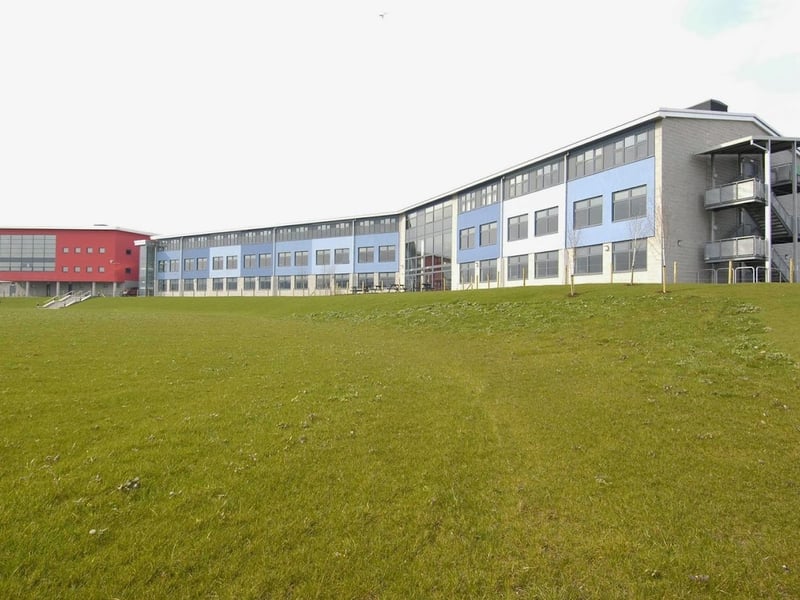
22. Bedminster Down School, Donald Road, Bedminster Down, Bristol, BS13 7DQ
School type: Secondary. Rating: Good. Published on January 23, the Ofsted report for Bedminster Down School reads: "The school has planned a sequenced and well-mapped curriculum. To support pupils to remember their learning better over time, teachers check frequently what pupils can recall. Pupils revisit and improve their learning regularly with guidance from their teachers. Teachers model work and provide structures to support pupils. The school ensures pupils who are in the early stages of learning to read have the precise support for their specific reading need. The school tracks this carefully to make sure every pupil receives the help they need. The school makes appropriate use of alternative provision for pupils who need it. The school carefully checks to make sure the provision is meeting the needs of the pupils who attend. The off-site provision for pupils, ‘The Lamp’, has been relocated back on the school site. Pupils who need it receive intervention and support. Teachers have the information they need to support pupils with special educational needs and/or disabilities appropriately. Teachers use common approaches to teach the curriculum. These strategies makes sure all pupils who need extra support get the input they need in a timely way. The school makes sure the personal, social and health education curriculum is appropriate and timely for pupils’ needs. The school enhances the curriculum to make it relevant to pupils. The careers programme ensures pupils from Years 7 to 11 hear about careers and further education from a wide variety of providers. Work experience, careers fairs and university visits give pupils a broad knowledge to support them in their next choices. All pupils can speak with a careers adviser." | Bedminster Down School
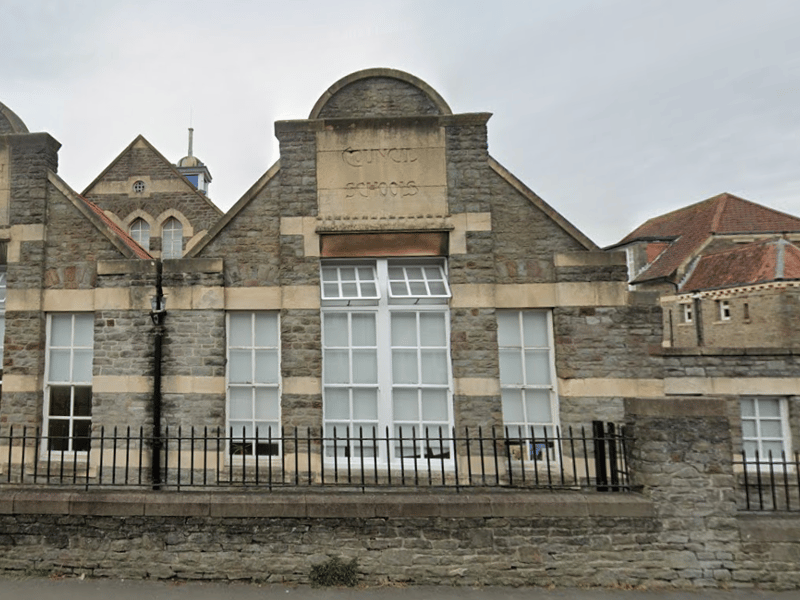
23. Air Balloon Hill Primary School, Hillside Road, St George, Bristol, Bristol, BS5 7PB
School type: Primary. Rating: Good. Published on January 16, the Ofsted report for Air Balloon Hill Primary School reads: "The school has developed a curriculum that it is relevant and ambitious. It focuses on the important knowledge that pupils need to learn over time. The curriculum is designed to develop pupils’ curiosity. Pupils learn why the world is like it is and explore how they can make it better. Pupils revisit learning regularly and link this knowledge to new ideas and concepts. This helps them to deepen their knowledge and understanding. Where this is successful, the school uses information about what pupils know and can do to further pupils’ understanding and build their knowledge well. However, some learning is not adapted quickly enough to enable some pupils to develop a deeper understanding. As a result, these pupils do not build on their knowledge as well as they could. The school has implemented an effective reading programme. This starts in the early years and continues into key stage 2. Pupils with special educational needs and/or disabilities (SEND) are accurately identified and supported. Information about how to support these pupils is shared effectively with teachers. This means that pupils with SEND are supported well to learn and progress through the curriculum as well as their peers. Staff have high expectations of pupils’ behaviour. As a result, pupils behave well and respect each other. The school places pupils’ wider development at the heart of what it does. The curriculum, along with wider opportunities, supports pupils to develop a strong moral code. Prejudice and inequality are not tolerated at the school. Pupils are well prepared to contribute positively to society as responsible, active citizens." | Google Maps
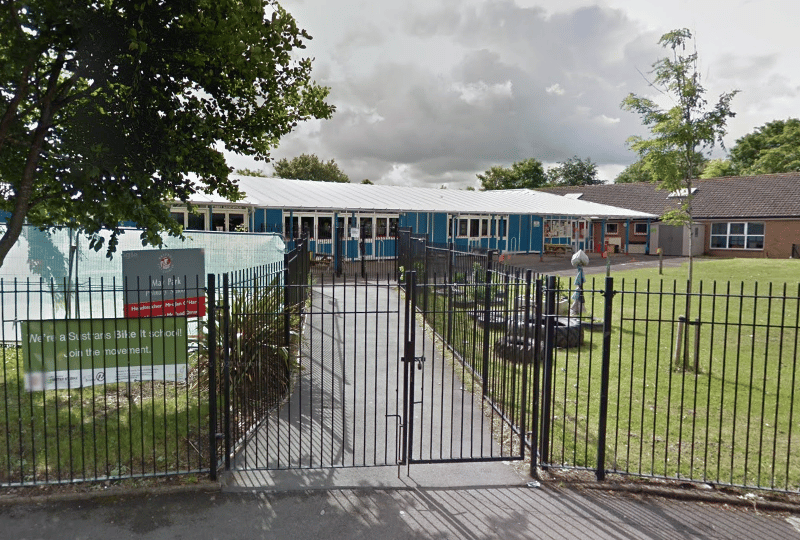
24. May Park Primary School, Coombe Road, Eastville, Bristol, BS5 6LE
School type: Primary. Rating: Requires improvement. Published on January 16, the Ofsted report for May Park Primary School reads: "The school has begun to improve the content of the curriculum and teaching. Its actions have been hindered by challenges, such as changes to leadership and staffing. The school has recently designed a more ambitious curriculum. Leaders have identified the knowledge and skills they expect pupils to learn. However, the new curriculum is in its infancy, and assessment is still being developed. As a result, many pupils have gaps in their learning and do not achieve as well as they should. The school has not checked on the impact of the new curriculum well enough. The school works closely with parents and specialist advisers to adapt teaching and pastoral provision for pupils with special educational needs and/or disabilities (SEND). However, the curriculum is being developed to better meet pupils’ needs, including pupils in the specially resourced provision for pupils with SEND. The school prioritises reading. Children learn to read as soon as they start school. The school thoughtfully plans opportunities to enrich the curriculum. Pupils’ learning is enhanced through visits to museums and historical sites. Pupils learn about different beliefs and religions. The school supports pupils’ personal development well. Pupils think of others when they contribute items to the food bank and raise money for charity." | Google Maps