
Until last month, the education watchdog inspected schools regularly and assigned them one of four different ratings: ‘Outstanding’ is the top rating, followed by ‘Good’, ‘Requires Improvement’ and ‘Inadequate.’
The classification is based on five key categories: quality of education, behaviour and attitudes, personal development, leadership and management, and either early years or sixth form provisions (depending on whether the school is primary or secondary).
These were the last 25 schools that received an Ofsted rating in 2024 before the system was scrapped.
The majority received a ‘Good’ rating and five ‘Required Improvement’.
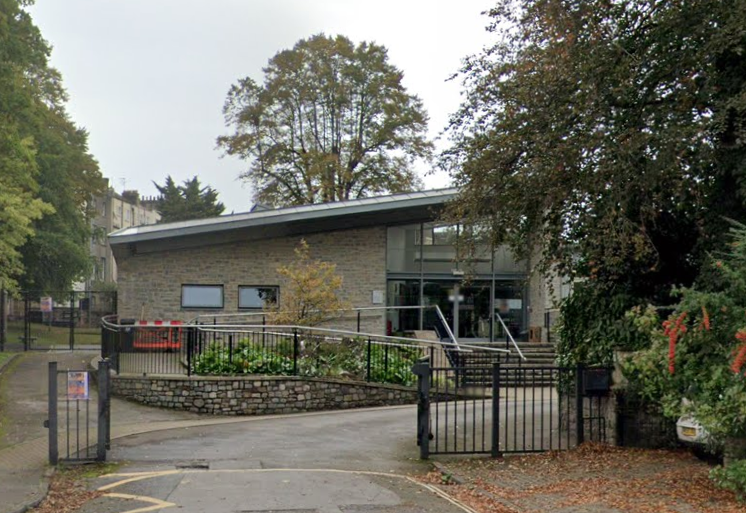
1. Christ Church Church of England Primary School, Royal Park, Clifton, Bristol, BS8 3AW
School type: Primary. Rating: Outstanding. Published on September 19, the Ofsted report for Christ Church Church of England Primary School reads: "The school has designed an exceptional curriculum. In each subject, the essential building blocks of learning are clearly identified and broken down into small steps. Over time, pupils’ knowledge builds very well. The quality of work produced by pupils across subjects is exceptional. Children start learning phonics as soon as they start school. Pupils read books that are closely matched to the sounds they know. These books help them to practise familiar sounds, and they become fluent quickly. Across the school, pupils with SEND are swiftly identified. The school works with external agencies and specialists to establish the right types of support based on pupils’ needs. This information is communicated to staff, who make appropriate adaptations to teaching. This means that pupils with SEND are supported to learn the same ambitious curriculum as their peers. The provision for pupils’ wider personal development is exceptional. Visits to the local church, cathedral, mosque and a temple in the city help pupils to develop a strong awareness of cultures and faiths. Through their conduct, pupils demonstrate a deep understanding of equality. They learn tolerance and fairness and understand the concepts of democracy and respect. An impressive programme of well-designed clubs, trips and visits enrich pupils’ learning and develop their character. Staff care deeply for pupils. They are extremely dedicated to making a difference to pupils’ learning. " | Google Maps
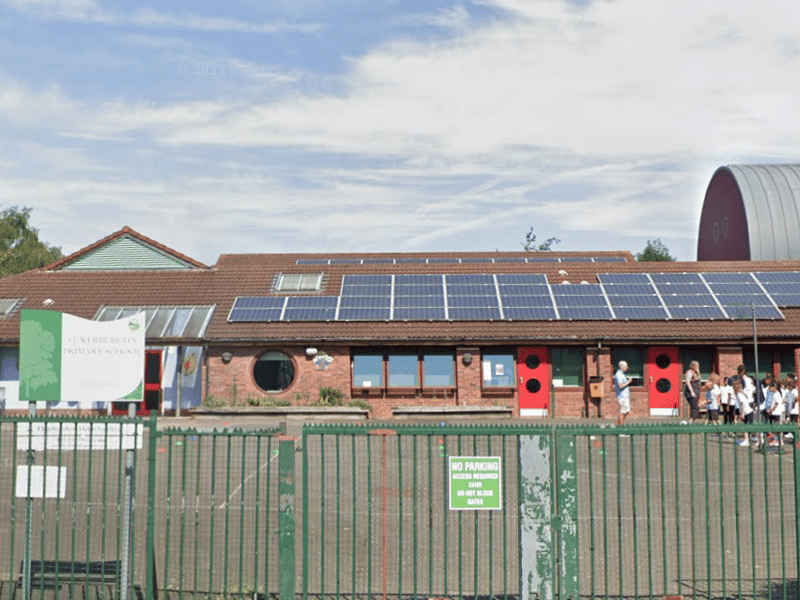
2. St Werburgh's Primary School, James Street, St Werburgh's, Bristol, Bristol, BS2 9US
School type: Primary. Rating: Good. Published on September 13, the Ofsted report for St Werburgh's Primary School reads: "The school is ambitious for all. It provides a wealth of experiences for pupils to develop their resilience and become lifelong learners. A culture of teamwork and respect exists across the school community. Staff appreciate the range of opportunities that support their own development and expertise. Reading is prioritised and is central to the school’s curriculum. The school has implemented a well sequenced curriculum that maps out the specific content and knowledge they expect pupils to know and remember. Vocabulary forms an integral part of the curriculum design. The school tailors learning to meet the needs of pupils with special educational needs and/or disabilities (SEND). Pupils’ personal development is a high priority within the school’s curriculum and beyond. The school provides opportunities to enable pupils to think about their future." | Google Maps
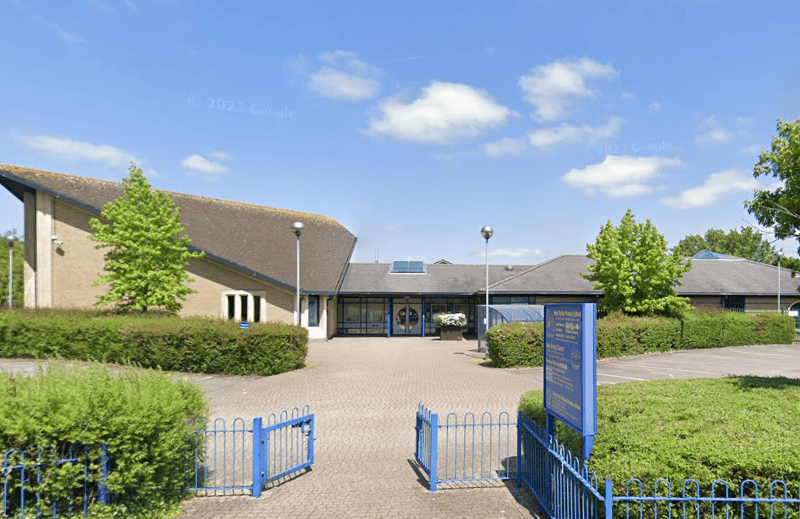
3. Holy Trinity Primary School, Broad Croft, Bradley Stoke, Bristol, BS32 0BD
School type: Primary. Rating: Good. Published on September 11, the Ofsted report for Holy Trinity Primary School reads: "The school has experienced a period of turbulence, which included changes to senior staff. The new headteacher has brought stability and ambition to the school. This has led to significant improvements, particularly in mathematics, where staff implement the curriculum effectively. The school has recently strengthened the curriculum so that it is ambitious, broad and rich with vocabulary. It has identified the precise knowledge pupils should learn and remember from the early years to Year 6. Many pupils speak English as an additional language. The school has thought carefully about the needs of these pupils, especially if they are new to the country. This enables pupils to develop their language and settle into the school community quickly. Pupils develop their knowledge well in most subjects. The school prioritises reading. The school accurately identifies the needs of pupils with SEND. Staff understand how to break down barriers to learning so that most pupils progress through the curriculum well. The curriculum for pupils’ personal, social and health education is designed well. It closely aligns to the school’s values and makes effective use of the school’s diverse cultural community. " | Google Maps
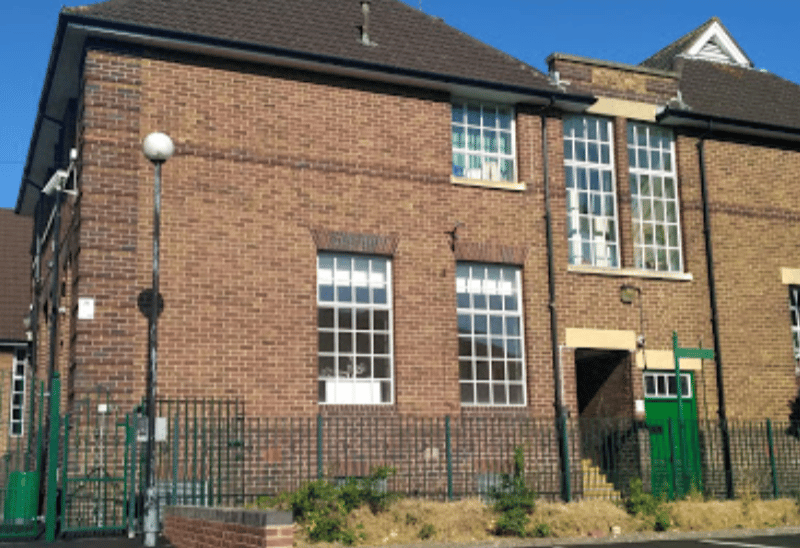
4. St Patrick's Catholic Primary School, Blackswarth Road, Redfield, Bristol, BS5 8AS
School type: Primary. Rating: Good. Published on September 11, the Ofsted report for St Patrick's Catholic Primary School reads: "The school is ambitious for what all pupils can achieve. It has managed recent staffing changes effectively so that there has been no impact on the quality of education pupils receive. The school’s curriculum is designed and sequenced well. It carefully considers the school’s context by emphasising the importance of spoken language for pupils who have English as an additional language. This enables these pupils to access and progress through the curriculum well. The school prioritises reading. In most subjects, assessment is well used to check on what pupils know and to inform future learning. The school understands the needs of an increasing number of pupils with special educational needs and/or disabilities (SEND). It makes effective use of the advice it receives from external agencies to tailor the support that pupils receive. Staff make effective use of resources to help younger pupils sustain their focus. Older pupils show increasing levels of independence when writing. However, some pupils’ plans lack precision. Some staff do not routinely adapt learning well enough to help these pupils build their knowledge. This means that some pupils with SEND do not progress as well through the curriculum. The school promotes pupils’ personal development well. Pupils understand the importance of respect when talking about different beliefs. They learn to look after their physical and mental health. Pupils develop their character by raising money for local hospitals and charities. They are well prepared for life in modern Britain." | Janek R via Google Maps