

Until last month, the education watchdog inspected schools regularly and assigned them one of four different ratings: ‘Outstanding’ is the top rating, followed by ‘Good’, ‘Requires Improvement’ and ‘Inadequate.’
The classification is based on five key categories: quality of education, behaviour and attitudes, personal development, leadership and management, and either early years or sixth form provisions (depending on whether the school is primary or secondary).
These were the last 25 schools that received an Ofsted rating in 2024 before the system was scrapped.
The majority received a ‘Good’ rating and five ‘Required Improvement’.
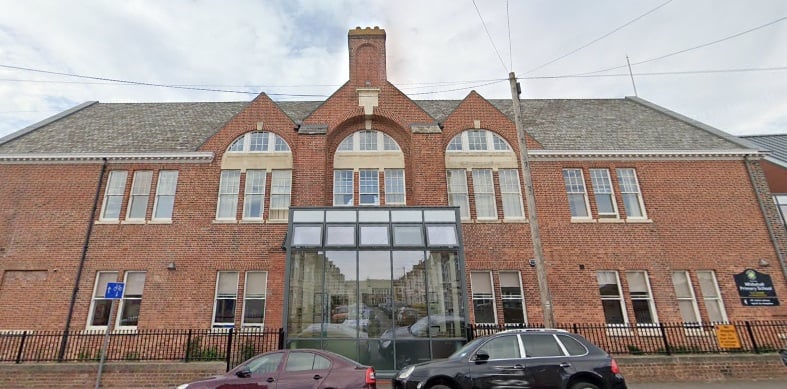
17. Whitehall Primary School, Johnsons Lane, Whitehall, Bristol, BS5 9AT
School type: Primary. Rating: Good. Published on May 10, the Ofsted report for Whitehall Primary School reads: "The school is passionate about ensuring pupils’ learning helps them to understand both their diverse locality and beyond. Its well-established and carefully designed curriculum is central to this. Consequently, pupils enjoy their learning and understand its relevance to the world around them. The detail in the curriculum means that teachers are clear about what to teach and when. This supports them to implement it effectively. Teachers have strong subject knowledge and explain key concepts precisely. Pupils’ recall much of what they have learned. The school has effective provision for pupils with special educational needs and/or disabilities. This includes those with the most complex needs where the numbers have increased sharply. The school has expertly adjusted to this changing picture. It ensures that support is precisely matched to individual needs. These pupils learn well in the school’s care. Through the personal, social, health and economic curriculum, pupils have an age appropriate understanding of risks in society." | Google Maps
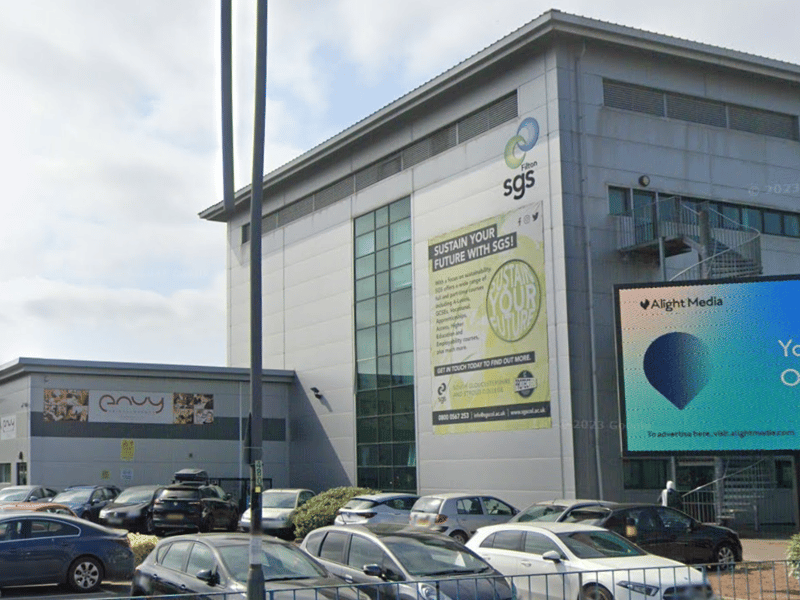
18. South Gloucestershire and Stroud College, Filton Avenue, Bristol, BS34 7AT
School type: General Further Education and Tertiary. Rating: Good. Published on March 21, the Ofsted report for South Gloucestershire and Stroud College reads: "Leaders and managers have a clear and ambitious vision for providing education and training that contributes strongly to meeting the needs of local and national employers. Leaders consider carefully their local communities and demographics when designing and building curriculums that aim to empower learners and apprentices, enable social mobility and improve life chances. . As a result, these learners achieve professional qualifications, gain successful employment locally, contribute positively to their communities, and substantially reduce their risk of re-offending. Leaders have been courageous in their development of new full-time provision for learners aged 14 to 16. They have committed substantial resources, time and research into developing the curriculum to ensure that it meets the needs of these young learners extremely well. Leaders have recently made improvements to the design and implementation of programmes designed specifically for learners with high needs. They have rightly raised staff’s aspirations for these learners. They have improved the emphasis on learners progressing into employment, further training and independent living. Leaders have ensured that the curriculum mostly contains appropriate qualifications or learning opportunities, providing learners with the right level of challenge based on their starting points. However, leaders have yet to implement their plans in all programmes for learners to study a more ambitious English and mathematics curriculum. Teachers plan the curriculum well. They consider carefully the sequence of topics and activities to ensure that learners and apprentices can build on previous learning. Teachers know their learners well. They provide appropriate and additional support to those who need it. Most teachers design teaching and assessment activities well in order to help learners and apprentices apply and practise what they are learning. Teachers gather useful information about what apprentices already know and can do at the start of the apprenticeship. However, not all teachers use this information consistently well to plan teaching activities. As a result, some apprentices, such as a few in carpentry and joinery, repeat prior learning and therefore do not make progress as swiftly as they could." | Google Maps
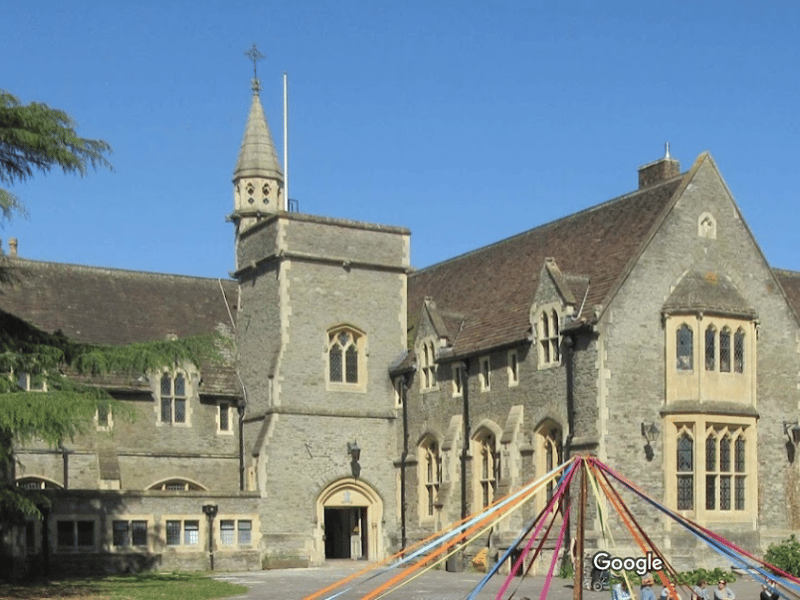
19. Avanti Gardens School, College Road, Bristol, Bristol, BS16 2JP
School type: Primary. Rating: Good. Published on March 12, the Ofsted report for Avanti Gardens School reads: "Pupils learn a broad and ambitious curriculum. The curriculum has been ordered in way that supports pupils to build their learning on what they already know and can do. Teachers have the subject expertise they need. Teaching helps pupils to remember important information. If pupils have misconceptions, these are quickly corrected. Pupils learn how to read as soon as they join the school. The school identifies accurately the needs of pupils with special educational needs and/or disabilities (SEND). Younger pupils are typically supported well. However, at times, some older pupils with SEND find it difficult to follow the curriculum successfully as teaching does not fully consider what they know and understand. The school has considered thoughtfully the context of the school when planning the curriculum. The school is ambitious for pupils’ wider development. Most pupils take part in activities that develop their talents and interests. These range from cooking club to 'kids with bricks' and from martial arts to musical theatre. There is an effective personal, social and health curriculum." | Avanti Gardens School via Google Maps Photo: Photo: Avanti Gardens School via Google Maps
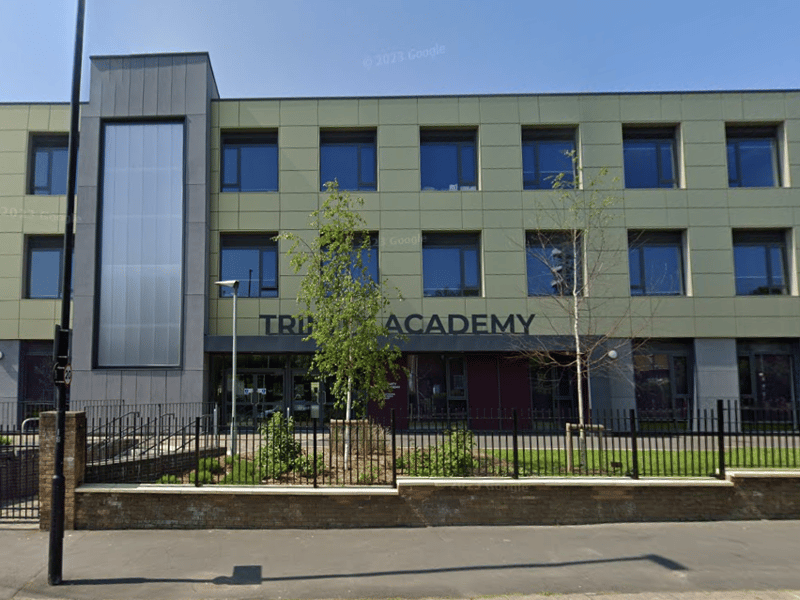
20. Trinity Academy, Romney Avenue, Lockleaze, Bristol, BS7 9BY
School type: Secondary. Rating: Good. Published on March 11, the Ofsted report for Trinity Academy reads: "The school’s curriculum is highly ambitious for all pupils. Within each subject, the school has identified the most important knowledge that pupils need. Careful thought has been given to the order in which pupils learn topics. In most subjects, pupils learn effectively and produce work of a high standard. Teachers present information clearly. All pupils read widely and often. Alongside the personal, social and health education curriculum, the school provides opportunities to develop pupils’ cultural awareness and to reinforce messages about how to keep themselves safe and healthy. Pupils learn how to be good citizens. Many take on leadership responsibilities within the house system or as anti-bullying ambassadors. They are well prepared for their next steps through effective careers education, including work experience and engagement with employers. The school goes beyond what is expected to ensure pupils have a rich set of experiences." | Google Maps