
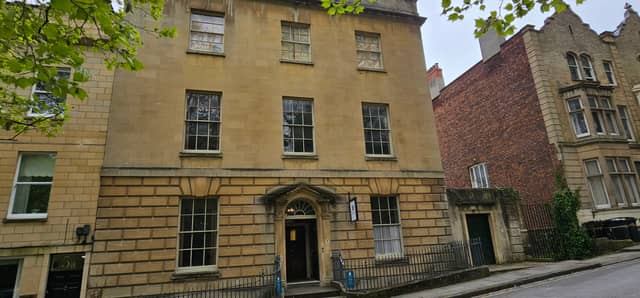

Located on 7 Great George Road, The Georgian House Museum explores what a Bristol sugar plantation and slave owner's home might have looked like around 1790.
The house was built in 1790 for John Penney, a West India sugar merchant and slave plantation owner, and designed by Bristol architect, William Paty.
The grade II listed building was also home to the freed slave Frances Coker who was a maid and Pinney's slave, Pero, after whom Pero's Bridge at Bristol Harbour is named.
Scenes for the At Home with the Georgians series by Amanda Vickery were filmed at the Georgian House in July 2010. It was also used as a filming location for BBC's A Respectable Trade series, which was adapted from the book by Philippa Gregory, about the slave trade.
The Georgian House is run by the Bristol City Council and has been presented as a museum since 1937.
The house spreads across six floors with 11 rooms across four floors accessible to the public. Visitors can explore the basement, which is comprised of the kitchen, housekeeper's room, pantry and John Pinney's cold water plunge pool; John Pinney's office, two dining rooms, a library and two drawing rooms on the ground and first floors; and a bedroom and small exhibition room on the second floor.
The museum is free and is open Saturday to Tuesday from 11am to 4pm.
Scroll through to see 30 photos from our visit to The Georgian House Museum.
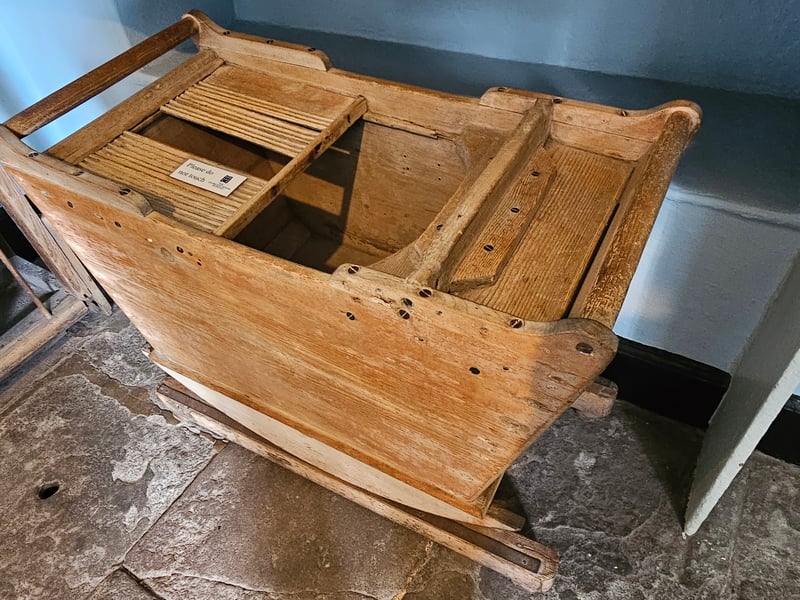
17. Rocker-Washer
During the early 19th century, the washing was done in a rocker-washer, whose rocking motions agitate and clean the clothes. The rocker-washer on display is one of only a few left in the country. | National World
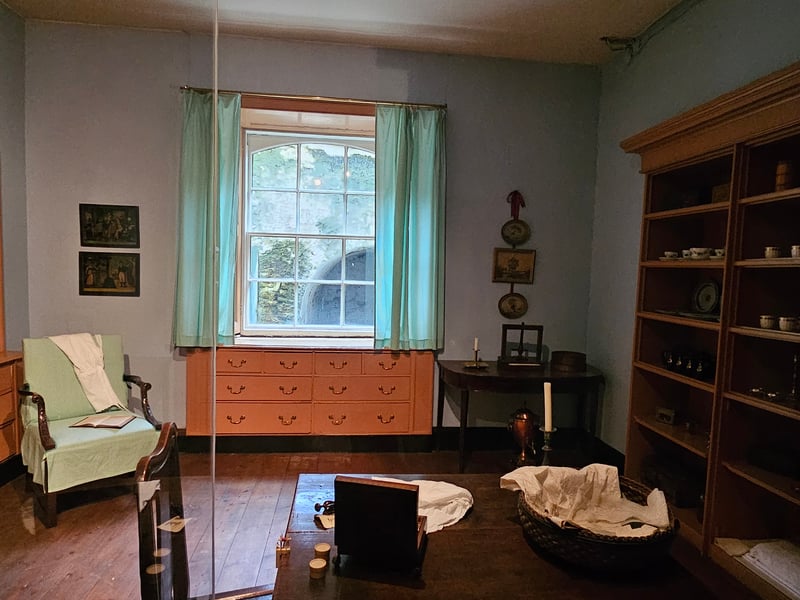
18. Housekeeper's Room
The cupboards in the housekeeper's room are fitted for linen, china and supplies such as flour and soap. | National World
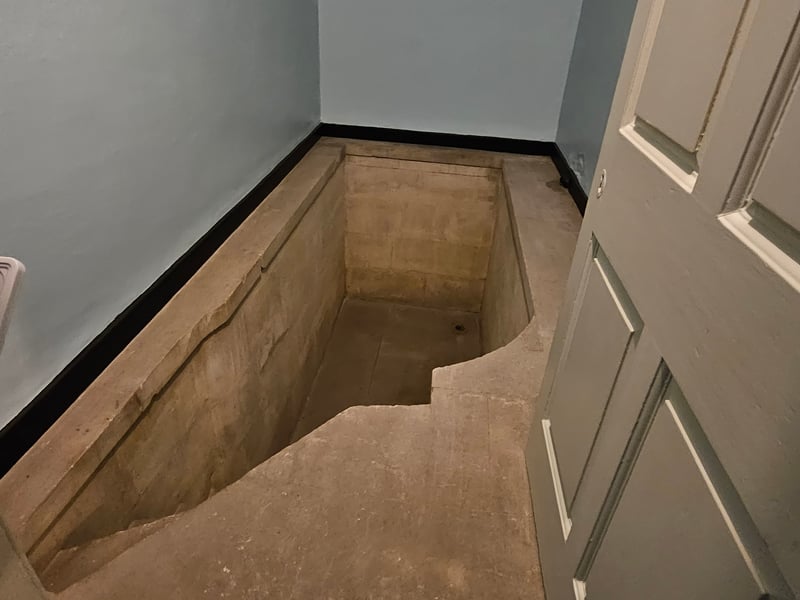
19. Bath
John Pinney would have a cold water plunge bath every morning since he was a young apprentice in London in 1760. The bath was built at the same time as the house, suggesting that he continued the habit well into middle age. | National World
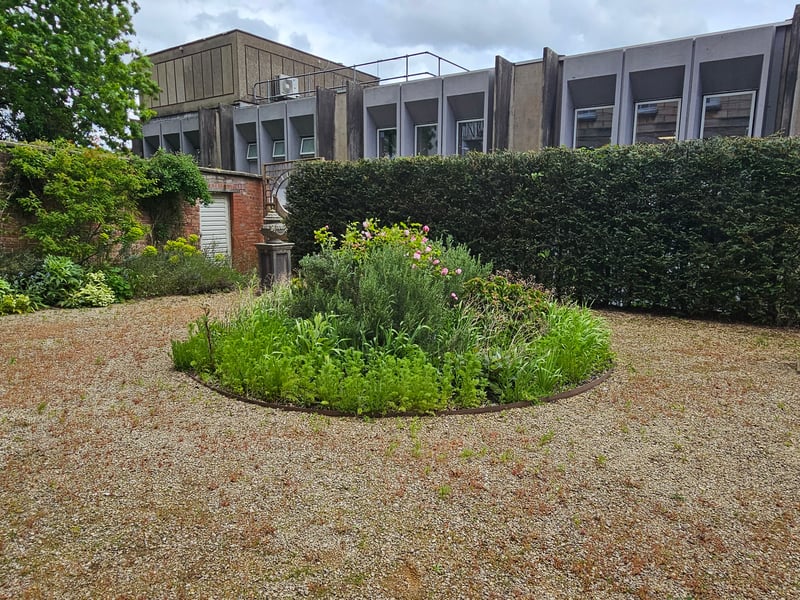
20. Garden
In 1791, when John Pinney and his family moved to the house, there would have been a stable block at the boundary where the architect's office is now. The Pinney business was also run from the Mews at the bottom of the garden for some time. | National World