
Could log cabins be the next big garden trend in Bristol?


Bristol’s housing market is encouraging homeowners to rethink their outdoor spaces and transform their gardens into functional extensions of their homes.
This shift, influenced by remote working and a growing interest in outdoor living, makes log cabins a practical option for creating additional usable space.
Why Bristol gardens are evolving
Bristol’s housing market and the shift towards hybrid working are encouraging homeowners to make better use of their properties, particularly their gardens.
Dedicated home offices and multifunctional outdoor spaces are becoming important considerations when planning garden improvements.
Given the demand for additional living space in Bristol’s urban setting, a garden structure such as a log cabin is worth considering. It can provide a functional area without the disruption of a full home extension.
The log cabin phenomenon: What's happening in Bristol
Local suppliers in Bristol offer garden rooms and timber buildings in a range of designs and sizes, giving homeowners options for making better use of their gardens.
● The UK garden building market includes options ranging from traditional sheds to log cabins, garden offices and multifunctional garden rooms.
● Log cabins and timber garden offices can provide space for working, relaxing, exercising or pursuing hobbies.
● Bristol-area suppliers offer garden structures with different designs, timber construction methods and customisation options.
● Interest in multifunctional outdoor spaces has made garden rooms an option for homeowners looking to adapt their properties to changing needs.
A log cabin can provide additional usable space as an alternative to a conventional home extension. Its suitability depends on the property's layout, the intended use and the installation requirements.
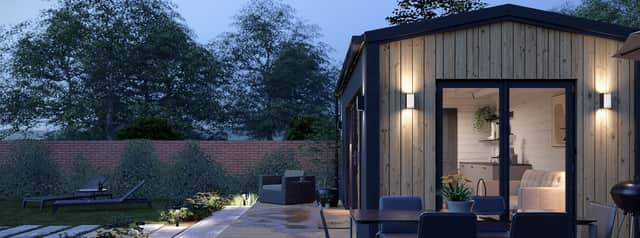
Why log cabins make sense for Bristol properties
Log cabins can offer a practical and adaptable solution for homeowners in Bristol. Their suitability depends on the size of the garden, the layout of the property and the intended use of the structure.
Bristol’s rainfall and damp conditions make durability an important consideration when choosing an outdoor timber structure. Appropriate timber treatment, regular maintenance and effective drainage can help protect a log cabin against moisture and timber decay.
● Property value: A well-designed garden office may appeal to prospective buyers who value additional workspace. However, any effect on resale value depends on the property, the quality of the installation and local market conditions.
● Planning permission: Outbuildings may qualify as permitted development if they meet the applicable requirements for their size, height, location and intended use. Additional restrictions may apply to properties in conservation areas or those affected by Article 4 directions. Homeowners should check the relevant planning rules before installation.
● Efficient use of space: The gardens of many Bristol terraced houses have limited space, making careful planning essential. A suitably sized log cabin can provide additional functionality without requiring a full home extension.
● Year-round use: An insulated log cabin may be suitable for use throughout the year, depending on its construction, insulation, ventilation and heating arrangements.
A well-designed log cabin can offer a practical way to make better use of a garden. However, homeowners should consider installation costs, maintenance requirements and planning restrictions before making a decision.
The practical reality: Challenges Bristol homeowners face
Although log cabins offer several advantages, homeowners in Bristol should consider local conditions when installing and maintaining them. These include sloping gardens, drainage requirements and the proximity of neighbouring properties.
Installation costs can increase if a sloping garden requires additional groundwork or levelling. Effective drainage is also essential to prevent moisture from accumulating around the cabin's base.
● Sloping gardens: Gardens with significant gradients may require ground preparation, levelling or specialised foundation solutions. These requirements can increase project complexity and costs.
● Damp and drainage: Adequate drainage around the log cabin's base helps reduce moisture exposure and the risk of fungal decay and timber rot.
● Neighbour considerations: In densely populated areas, homeowners should consider privacy, potential light obstruction and boundary requirements when positioning a garden cabin.
● Maintenance in a wet climate: Log cabins require regular cleaning, inspections and appropriate timber treatments. The frequency of re-treatment depends on the timber, the protective product used and the cabin's exposure to the elements.
These challenges can be addressed through careful planning, suitable materials, proper drainage and professional installation where necessary.
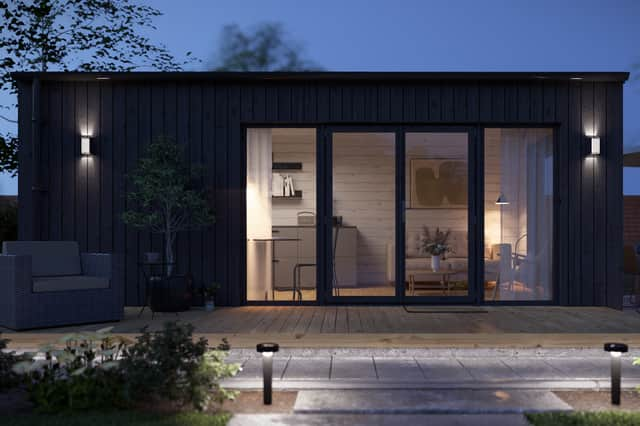
How to assess the costs and benefits of a log cabin in Bristol
Here is a structured approach to assessing the costs, practical considerations and potential benefits of installing a log cabin. It considers five factors that can help Bristol homeowners evaluate whether a garden cabin is suitable for their property.
1. Installation cost (hilly terrain factor): Assess the garden's slope, access and foundation requirements before estimating the total installation cost. Uneven ground or restricted access may increase preparation and fitting expenses.
2. Planning approval likelihood (postcode specific): Check whether the property is subject to conservation area restrictions, Article 4 directions or other planning requirements. The property's location, the cabin's dimensions and its intended use can affect whether planning permission is needed.
3. Resale value impact (Bristol property market): Consider whether a garden cabin could make the property more attractive to prospective buyers. Additional workspace or a multifunctional garden room may be appealing, but any increase in property value is not guaranteed.
4. Climate durability (rainfall and humidity): Evaluate the structure's materials, timber treatment, insulation and drainage arrangements. These features can influence maintenance requirements and the cabin's long-term condition.
5. Neighbourhood acceptance (local considerations): Consider the cabin's position, its appearance and its potential effects on neighbouring properties. Privacy, light obstruction and applicable planning restrictions may influence the project's feasibility.
By weighing these factors, homeowners can make a more informed decision about the initial costs, ongoing maintenance and practical suitability of a garden cabin for their property in Bristol.
Is this trend here to stay in Bristol?
Log cabins offer Bristol homeowners a versatile way to make better use of their gardens. Potential uses include home offices, hobby rooms, exercise spaces and areas for relaxation.
Garden structures can provide an alternative to more extensive building work for homeowners seeking additional functional space. Insulated log cabins may be suitable for year-round use, depending on their construction, insulation, ventilation and heating.
A basic garden shed and a multifunctional garden room can differ considerably in construction quality, insulation and intended use. Bristol homeowners considering a log cabin should weigh up these factors alongside installation costs and planning requirements to determine whether it is suitable for their property.