
Bristol is full history - from stunning museums to being the home of Brunel’s SS Great Britain and the famous Clifton Suspension Bridge, the city is home to an abundance of historical sites.
However, there are some spots in the city which are lesser known.
Here are 7 historical sites in Bristol that you probably didn’t know about in 2026.
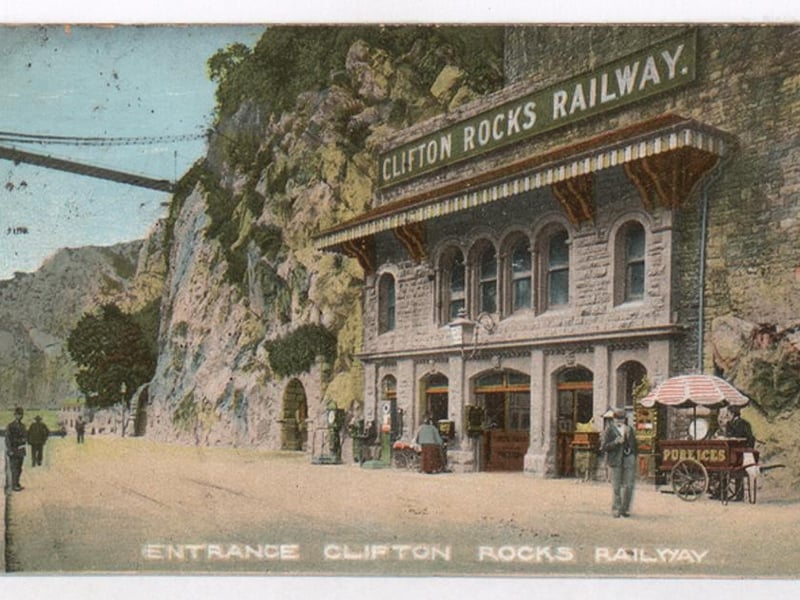
1. Clifton Rocks Railway
Most of us pass by the Clifton Rocks Railway without even knowing it is there. Opened on March 11, 1893, the railway had 11,000 passengers per week within its first months of operation and 427,492 passengers in the first year. In 1922, a major road would be built outside the bottom station, almost completely blocking access. The railway was built in October 1934 though it would later become a secret transmission base for the BBC during WW2. | Bristol Archives
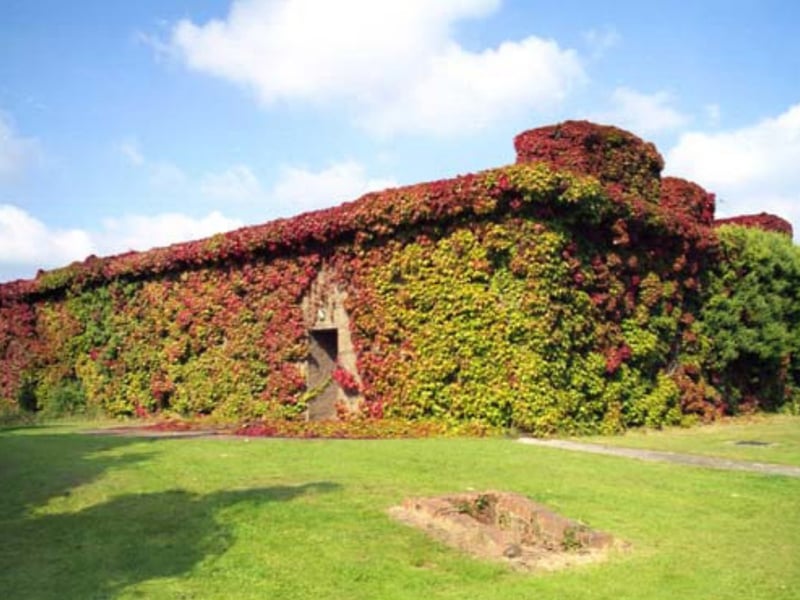
2. Bristol War Rooms
The world watched on with baited breath as the Cold War played out throughout the 1950s and 60. Bristol was no different. So much so, a two-storey concrete-walled site was built in 1953 to ‘coordinate civil defence’ in the event of an atomic attack, and to protect the local authority. Found off Flowers Hill in Brislington, close to the retail park, the nuclear bunker was the war room for Home Defence Region 7, which covered Cornwall, Devon, Gloucestershire, Somerset and Wiltshire. It is believed that the listed building was closed down in the early 60s and then used for storage by the then Avon County Council. | LDR
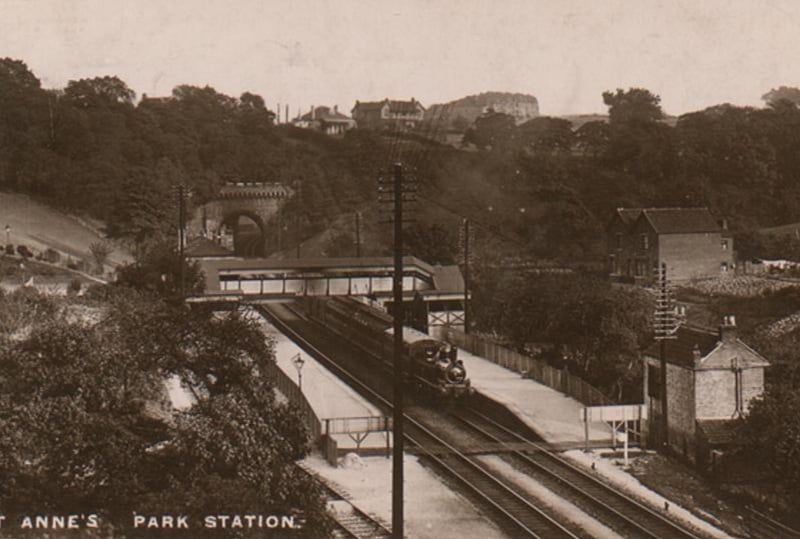
3. St Anne’s Park station
The railway station opened in May 1898 and closed on January 1970. It used to form part of Brunel's train line which connected London to Bristol. Whilst the station is long gone, the remnants of the platforms which once welcomed passengers still remain. | Bristol Archive
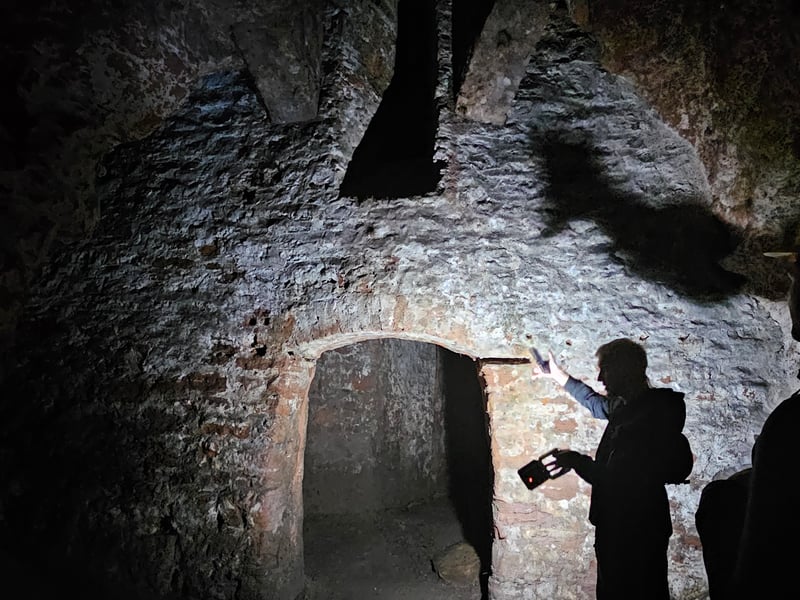
4. Redcliffe Caves
The caves are made up of a human-made network of caverns and catacombs that run underneath the city and are usually closed to the public. There is some evidence that prisoners captured during the French Revolutionary Wars or Napoleonic Wars were kept in the site for solitary confinement. | BristolWorld