
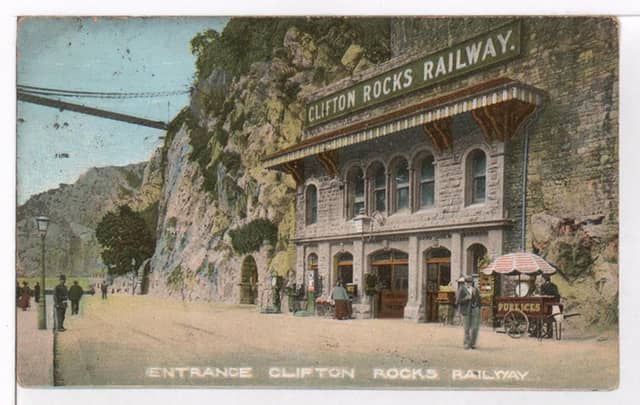

Bristol is full history - from stunning museums to being the home of Brunel’s SS Great Britain and the famous Clifton Suspension Bridge, the city is home to an abundance of historical sites.
However, there are some spots in the city which are lesser known.
Here are 7 historical sites in Bristol that you probably didn’t know about in 2026.
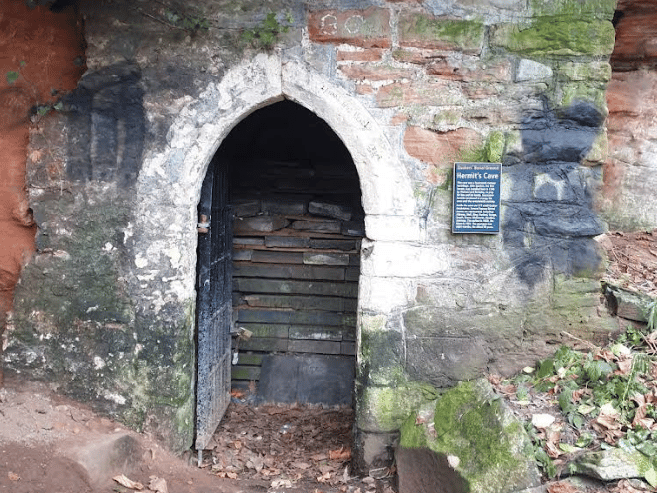
5. Hermit's Cave and the Quakers Burial Ground
The cave, near St Mary Redcliffe Church and Phoenix Wharf, was initially used as a hermitage by John Sparkes in the 14-centure, who was installed by Thomas Lord Berkeley to pray for him and his family. While the burial ground was established in 1665 and served as the final resting place for Bristol's Quaker population until 1923. | Mike H via Google Maps
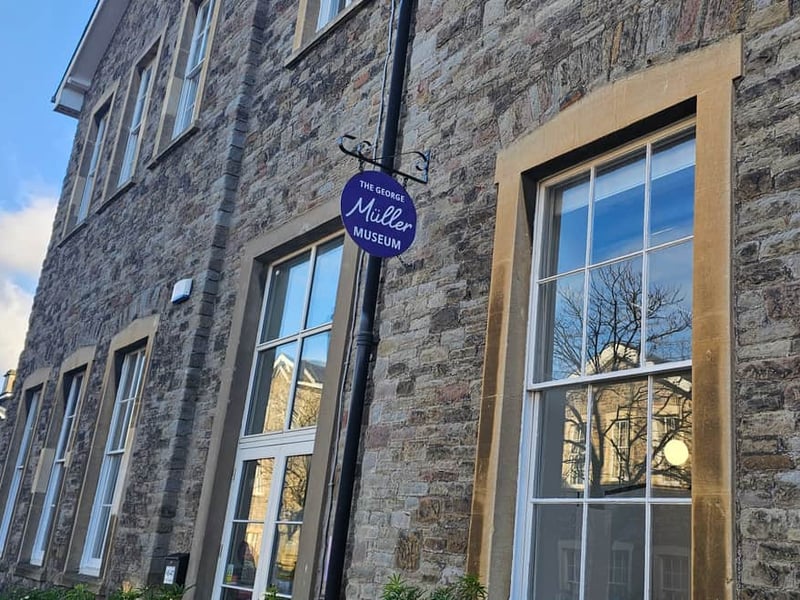
6. The George Müller Museum
The George Muller Museum in Ashley Down is not very well known but it celebrates the incredible story of how George Muller cared for and educated over 10,000 orphans in Victorian Bristol. Muller never fund-raised or asked for money and yet, as a man of great faith and prayer, received gifts (financial and in-kind) of around £100m (today’s value) which financed the building and resourcing of the Orphan Homes throughout the Victorian era first in Wilson Street and later at Ashley Down. He housed and educated over 10,000 orphans through prayer, faith and the generosity of thousands throughout his lifetime. The museum, which is free to enter, is hosted in one of the former orphan homes. | BristolWorld
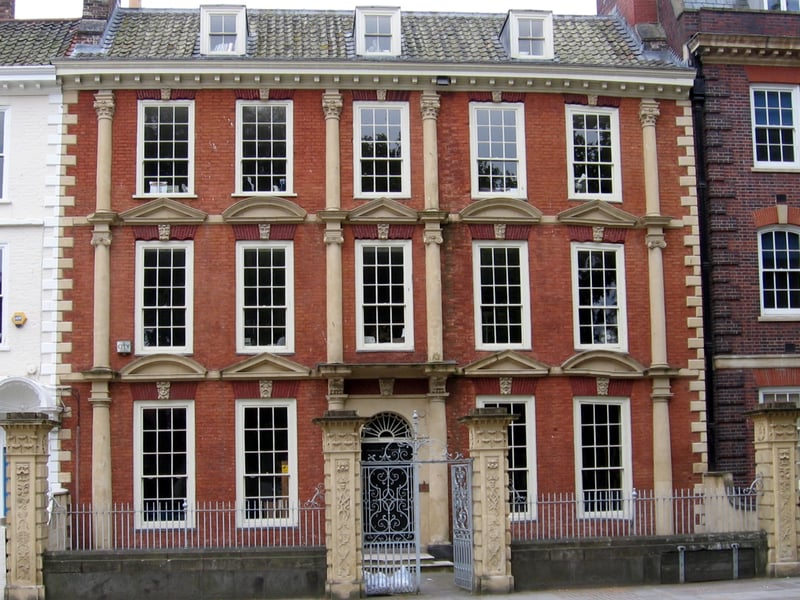
7. Sailor's Refuge
The historic house is located at 27-29 Queen Square and dates from 1709 to 1710. It's one of the few remaining houses from the original construction of the square and was originally built for Alderman Nathaniel Day, who became Bristol's mayor in 1737. The historic building was used as the regional building offices for Historic England and English Heritage until 2021. | William Avery, CC BY-SA 2.5 <https://creativecommons.org/licenses/by-sa/2.5>, via Wikimedia Commons