
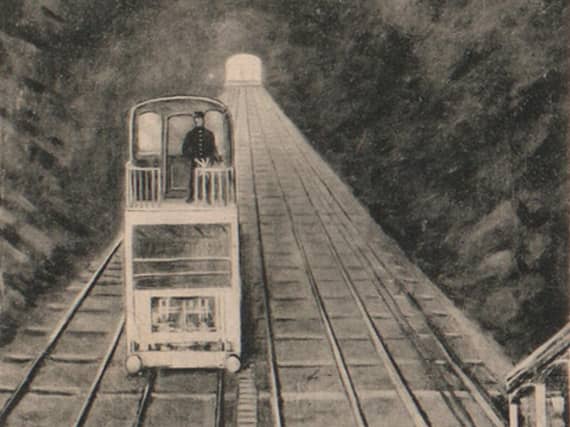


It’s hard to imagine the Clifton Rocks Railway even existed. The only evidence to the untrained eye is the disused stone entrance to the lower station of the underground funicular railway - and that’s about it.
So these pictures, which bring to life the railway which operated from 1893 to 1934, may stir your interest. The railway system was ahead of its time on opening and operated inside the widest tunnel of its kind in the world. The journey took just 40 seconds.
The cars moved up and down the railway using a water-balance method, and on the opening day they attracted 6,220 passengers. However, numbers dwindled over time and after the opening of Hotwells railway station the operation closed in 1934.
It was brought back to life in the Second World War when part of the tunnel was used for air raid shelters and the BBC opened a transmission base. And five years ago, Bristol Observatory owner Ian Johnson bought the site with plans to open a museum.
To find out more about the railway’s history, visit The Clifton Rocks Railway Trust website here.
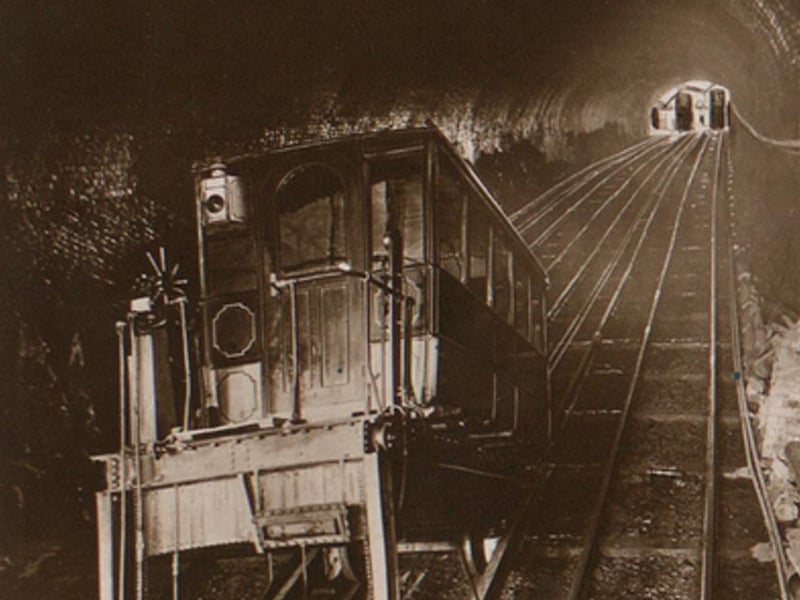
5. Horse-drawn appearance
The front of the cars resembled the appearance of horse-drawn tramcars - behind them was the passenger section. This picture also reveals the brick lined tunnel, which was the widest of its kind in the world when it opened | Bristol Archives
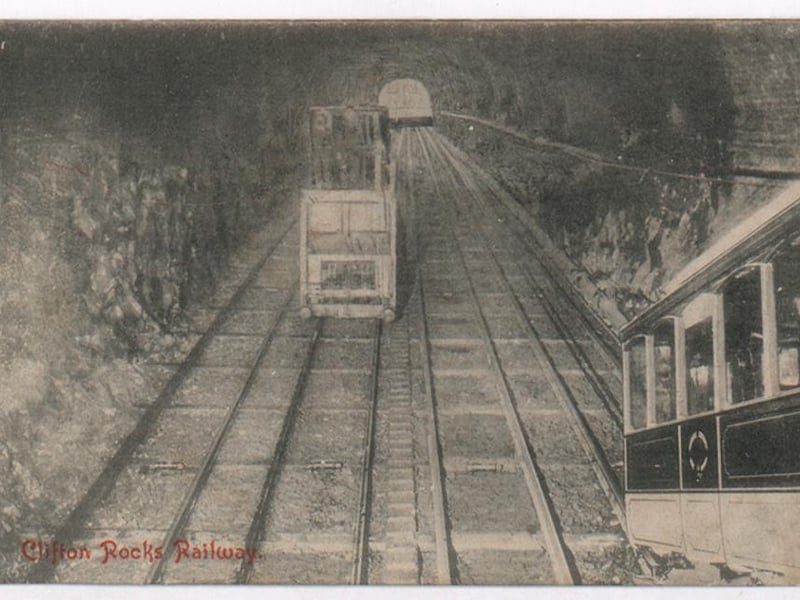
6. Passenger cars
The railway system had four cars - each one could accommodate 18 seated passengers who entered through sliding doors. The cars went up and down in pairs on adjacent tracks which can be seen in this picture. | Bristol Archives
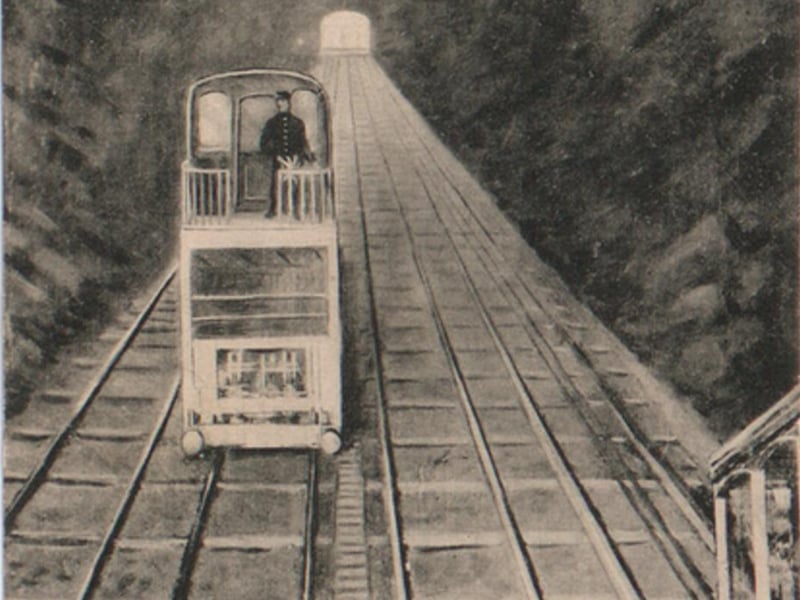
7. The ‘brakesman'
A ‘brakesman’ rode on the car on a small platform. The brakes were released at the start of the journey in conjunction with the other car. The brakesmen communicated via an electric telegraph manufactured by King, Mendham & Co of Bristol | Bristol Archive
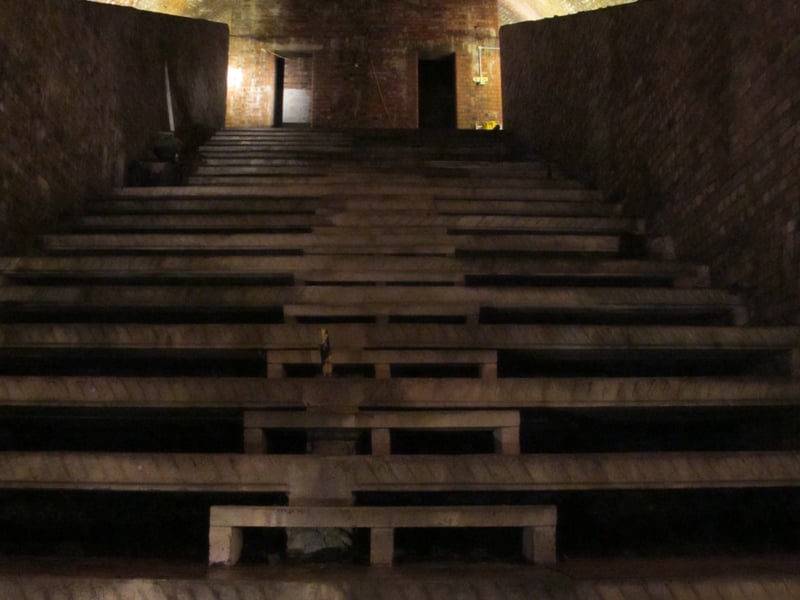
8. Air raid shelter
The mid-way blocked areas were used as air raid shelters during the Second World War. The rooms were accessed via side stairs and contained terraced seating. It was also used as a transmission base for the BBC at the time. | Know Your Place