
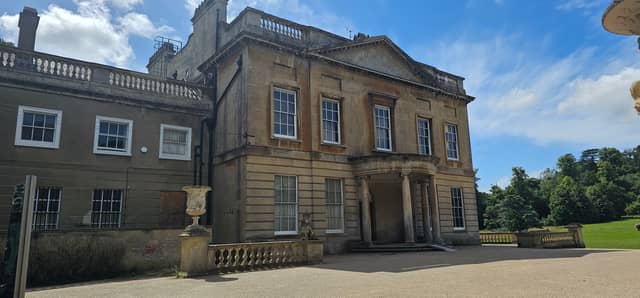

The stunning museum explores how people lived through time, what they wore, the toys they played with and how they managed their household chores.
Spread across two floors, Blaise Castle House Museum is divided into four main sections: The Picture Room, Toys, Costume and Bristol at Home.
The Picture Room was added to the house in 1832/3 and hosts pictures from the fine art collections of artists William James Müller, James Curnock, Charles Branwhite, James Baker Pyne and Henry Hewitt.
The toy collection ranges from the 1800s to the present and includes a beautiful rocking horse, a variety of dolls house furniture, puzzles and games, and some tin toys.
Whilst the costume collection includes around 10,000 items dating from the 1730s to the present day, along with textiles such as quilts and banners, and the entire contents of a Bristol haberdasher’s shop.
Cooking, lighting, washing and other household equipment used in Bristol homes over the last 300 years are displayed in the Bristol at Home galleries.
The museum is free to visit and is open Thursday to Sunday from 11am to 4pm.
Scroll through for photos from our latest visit.
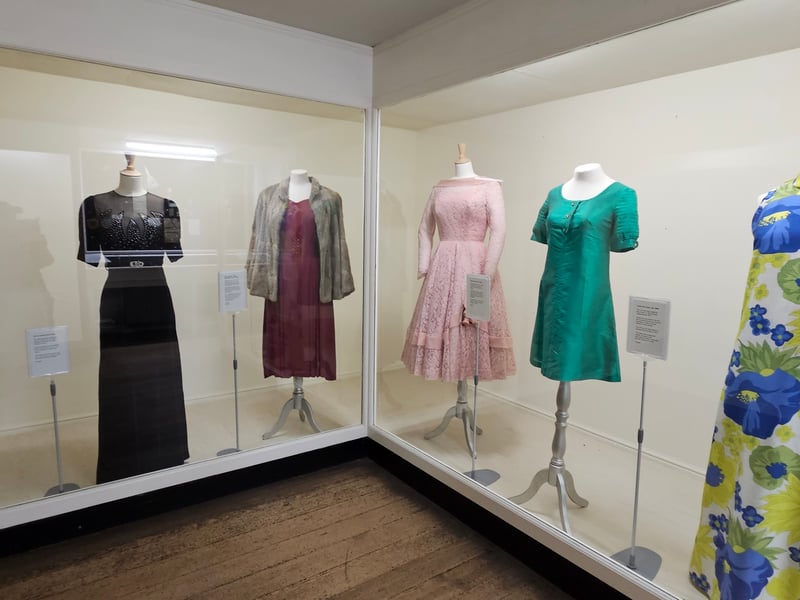
29. Fashion through the ages
The display of 20th-century dresses includes a mid-1950s pink lace dress, a 1967 printed maxi dress and a 1930s black evening dress. | National World
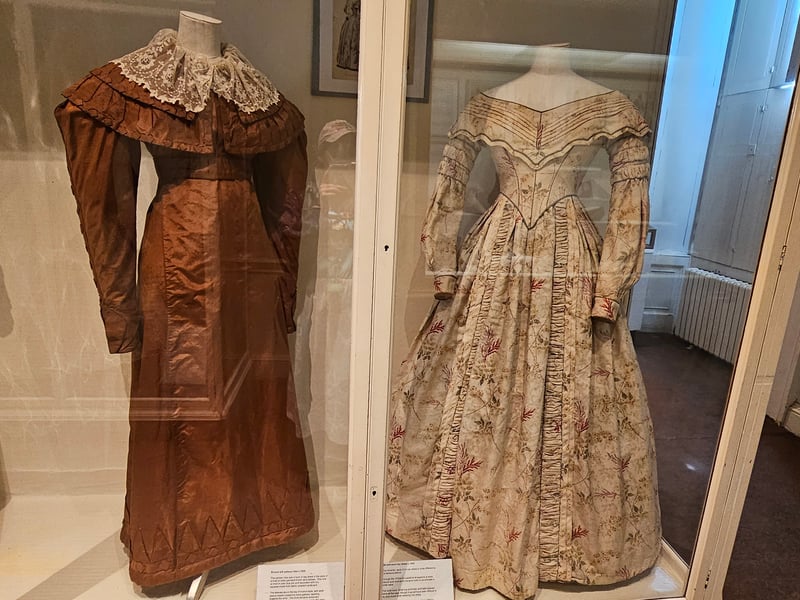
30. Stunning silk dresses
To the left, the 1825 bronze silk pelisse robe is lined in pale blue silk and decorated with tiny squares made from fabric-covered cardboard. The sleeves are in the leg of mutton style, with wide sleeve heads created by extra gatherers, tapering towards the wrist. The style became extremely popular, with tops growing to such a size by the early 1830s that they required their own support. To the right, the beautiful, romantic, silk and wool 1840 Victorian day dress is quite different to the fashions before. Through the 1830s, the waistline dropped to a more natural level and skirts became fuller to accentuate a small waist. The wide neck, small low armholes and tight sleeves were all the rage, though it would have been difficult to do very much when wearing this dress. | National World
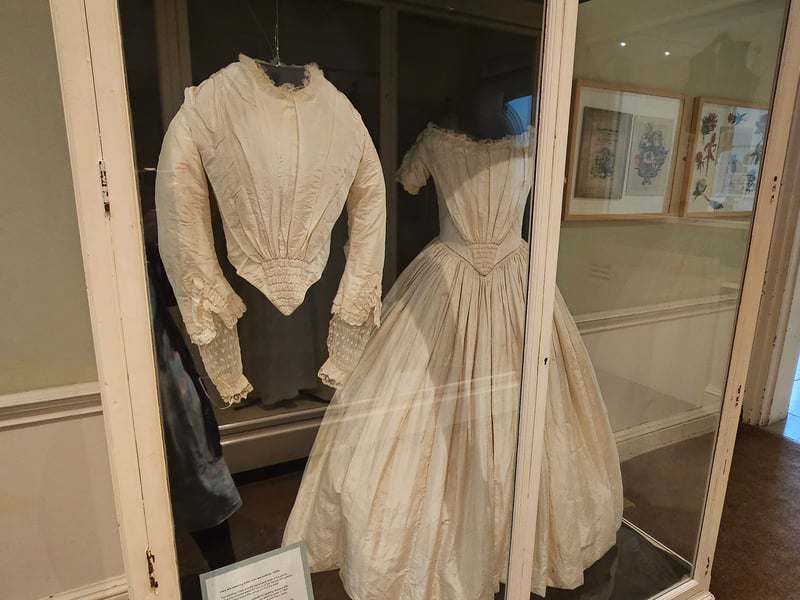
31. Wedding dress
The ivory silk wedding dress with two bodices dates back to the 1850s and is on the first floor. After Queen Victoria married in an ivory wedding gown in 1840, white and ivory became popular for wedding dresses. However, it was not universal, and many young women were married in their best dress. Dresses of the period also came with removable long sleeves or two bodices (like this one) so the new bride could reuse her dress as evening wear after her marriage. | National World
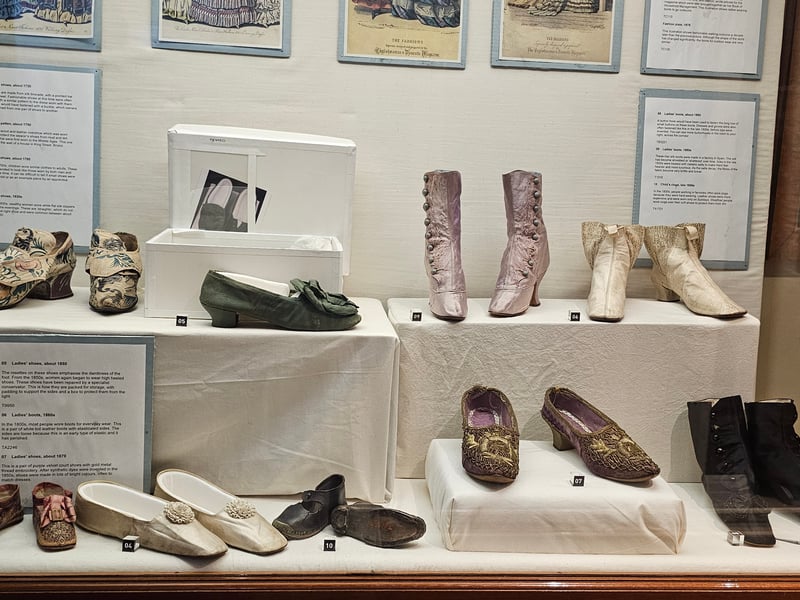
32. Shoe collection
Located in one of the costume rooms on the first floor, the shoe collection includes 1880s ladies' boots, ladies' shoes from around 1730, a child's pattern from about 1750 and child's clogs from the late 1800s. | National World