
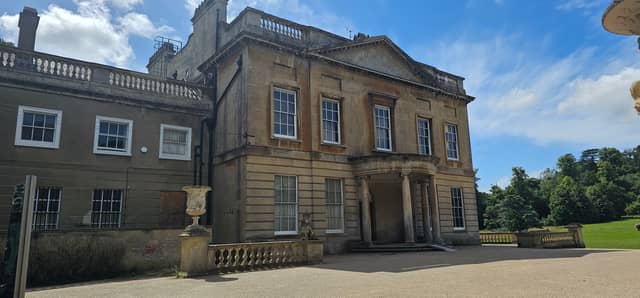

The stunning museum explores how people lived through time, what they wore, the toys they played with and how they managed their household chores.
Spread across two floors, Blaise Castle House Museum is divided into four main sections: The Picture Room, Toys, Costume and Bristol at Home.
The Picture Room was added to the house in 1832/3 and hosts pictures from the fine art collections of artists William James Müller, James Curnock, Charles Branwhite, James Baker Pyne and Henry Hewitt.
The toy collection ranges from the 1800s to the present and includes a beautiful rocking horse, a variety of dolls house furniture, puzzles and games, and some tin toys.
Whilst the costume collection includes around 10,000 items dating from the 1730s to the present day, along with textiles such as quilts and banners, and the entire contents of a Bristol haberdasher’s shop.
Cooking, lighting, washing and other household equipment used in Bristol homes over the last 300 years are displayed in the Bristol at Home galleries.
The museum is free to visit and is open Thursday to Sunday from 11am to 4pm.
Scroll through for photos from our latest visit.
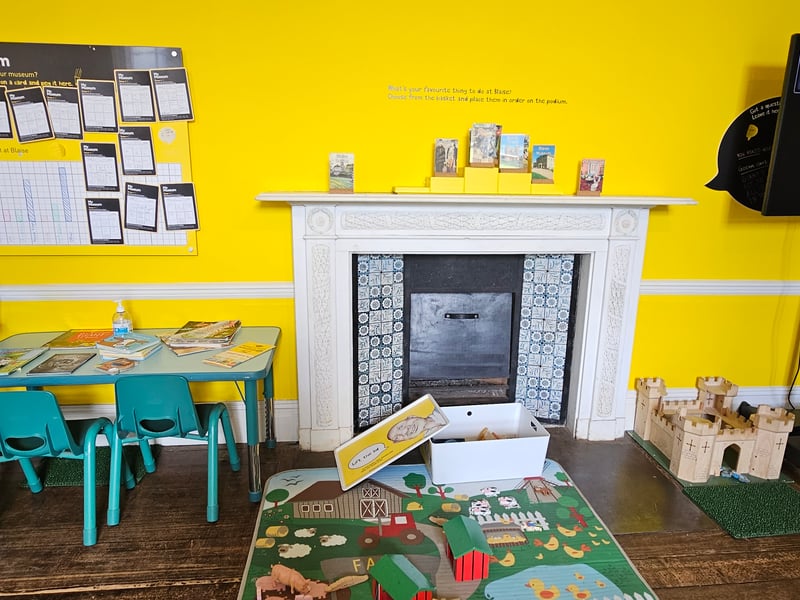
5. Kids Activities
There are various games and activities available for kids on the ground floor including books to read, a wooden castle and a toy farm. | National World
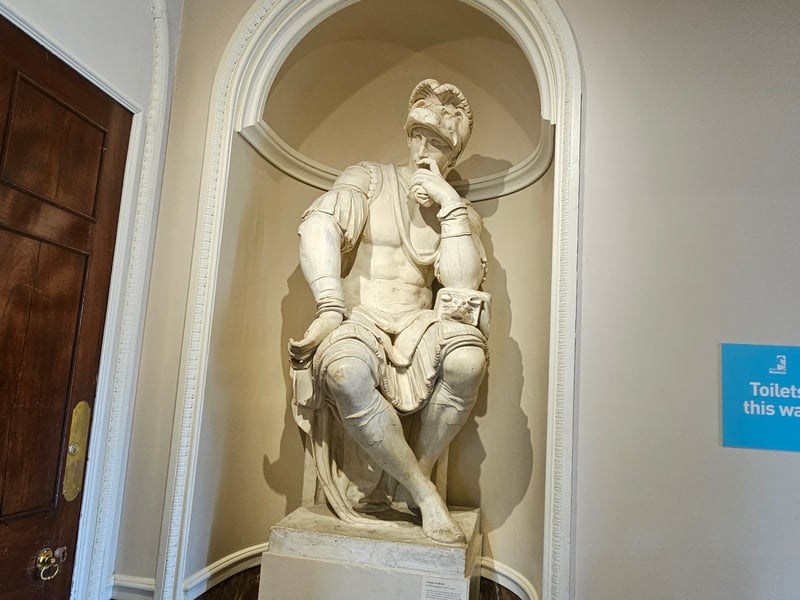
6. Lorenzo di Medici
The plaster cast of Lorenzo de Medici, Duke of Urbino (1492-1519) was added to the house along with other pieces of classical sculpture by John Harford (1785-1866) who lived here from 1815 until he died in 1866. The marble original by Michaelangelo is in the Medici Chapel in the church of St Lorenzo, Florence. | National World
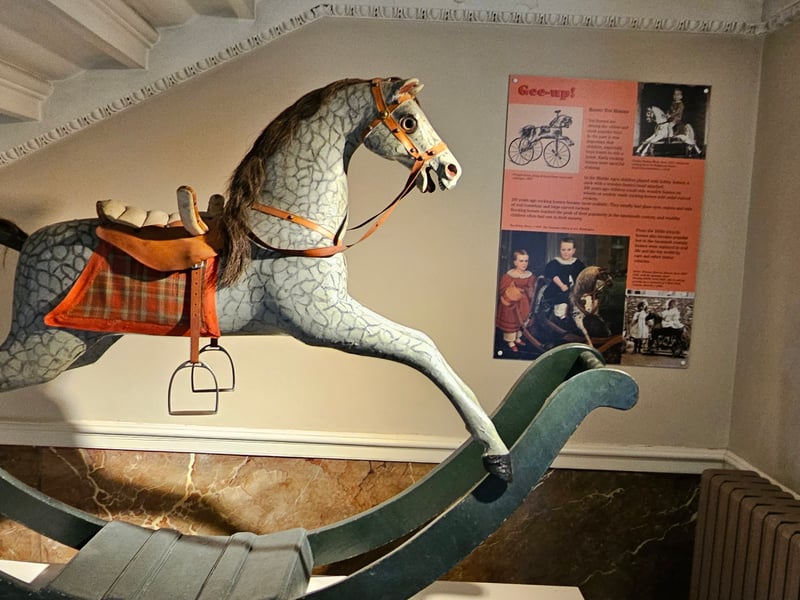
7. Rocking Horse
The rocking horse on the ground floor dates from 1880. The head was carved from solid pine and the body was covered in layers of gesso (plaster and glue) to smooth out the joints whilst the manes and tails came from slaughterhouses. | National World
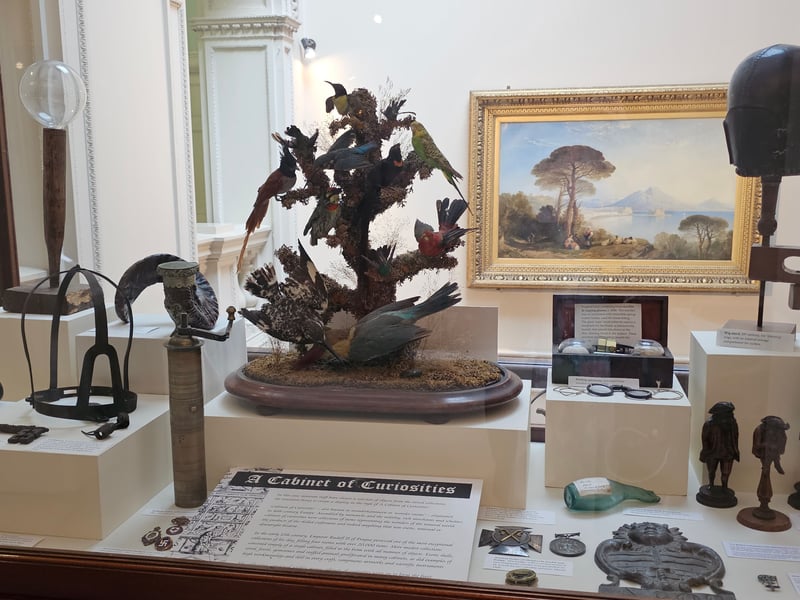
8. Cabinet of Curiosities
The eclectic collection has been curated by museum staff who selected the objects from the stored collections. It includes a 16th-century iron key found among the rubble of destroyed buildings following an air raid on Bristol in November 1940, a 19th-century enema syringe, a lace maker's block and a warped bottle from Hiroshima, recovered after the atomic bomb was dropped in August 1945. | National World