
I think Copenhagen is the best European city break and here's why as direct flights launched from Newcastle
Copenhagen: probably the best city break in Europe? I certainly thought so on a debut trip to the Danish capital where I discovered there’s so much more than The Little Mermaid and copious amounts of Carlsberg on offer.
With new direct flights launched from Newcastle Airport that transports you over the North Sea in around 1hr40minutes, I was invited on a long weekend of exploring Copenhagen with VisitDenmark and Wonderful Copenhagen.
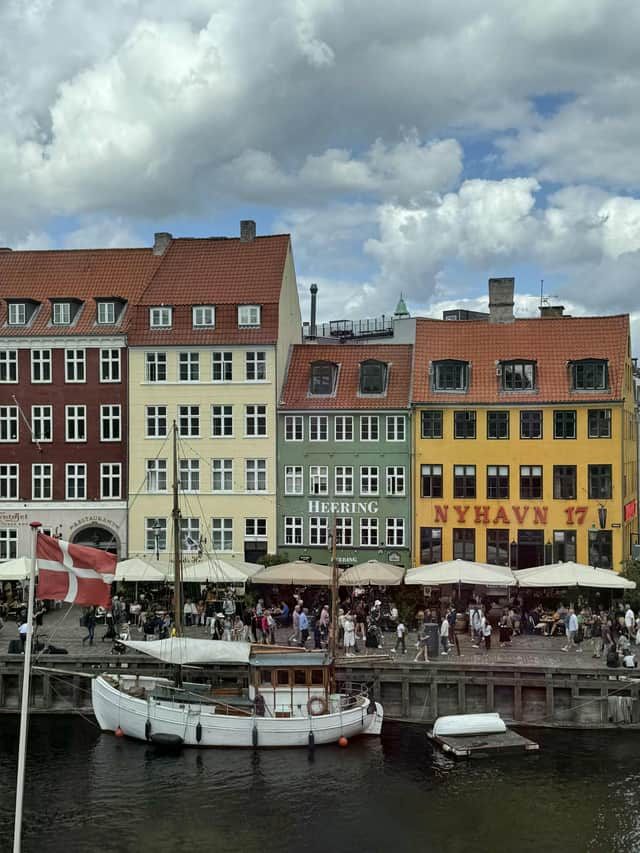

Forget the endless museum queues of Paris, the unrelenting, stifling heat of a summer trip to Rome and the slog of London, I found Copenhagen super easy and safe to navigate solo, its clean, vibrant streets a real tapestry of rich culture, ever so stylish shops visited by effortlessly cool locals, and a deliciously diverse dining scene.
The ting ting of handlebar bells rings out around the roads where bicycles seem to outnumber cars and there’s a palpable sense of community and collective responsibility as you wander its cobbled streets.
The Danes seem to have this living lark sussed - no wonder Copenhagen is consistently ranked as one of the happiest cities in the world. I think I’d be pretty happy if I lived here, too.
Armed with a trusty Copenhagen Card, Google maps, a fully-charged phone and a comfortable pair of flats, I discovered most of this happy place on foot.
The card makes being a tourist simple in this capital city. You can buy a card online which is activated for a set period of time, giving you free access to more than 80 attractions, as well as unlimited public transport in the Capital Region and free public transport to and from the airport - told you this city was easy.
Card prices start from £66 for 24hours for adults, £45 for 12-15-year-olds and under 11s go free.
For more information on the all inclusive Copenhagen Card visit CopenhagenCard.com
In the meantime, here’s some hygge highlights from a long weekend of Danish delights:
Hotel
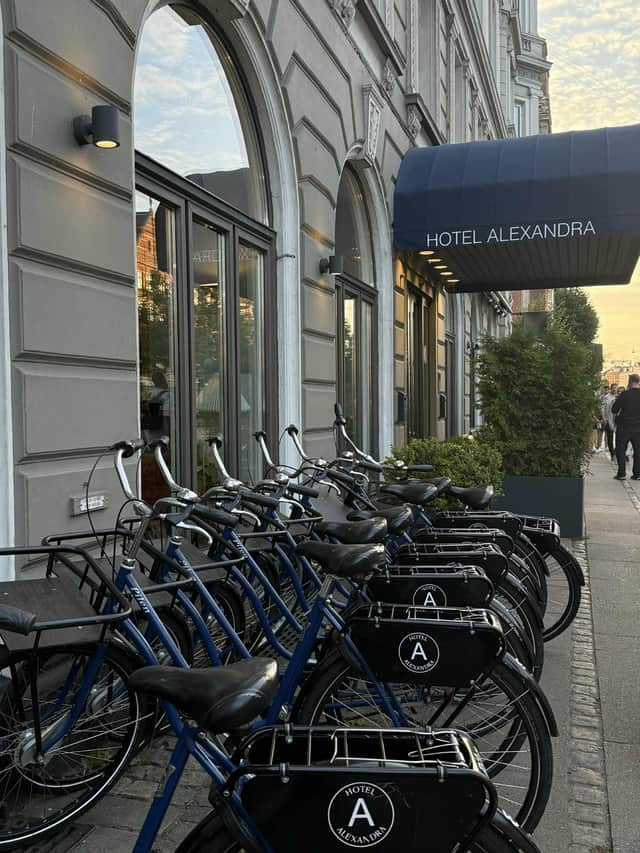
The Danes know design and it flows through every nook and cranny of this centrally-located hotel opposite City Hall - and only a couple of minutes’ walk to a Metro stop - meaning I was checking in within half an hour of leaving the airport.
An ode to the famous Danish mid-century modern movement of the 50s, 60s and 70s, Hotel Alexandra’s clean aesthetic lines look as hip today as they were back then.
Each of the boutique hotel’s 61 rooms has a different look, filled with vintage statement pieces from the era.
Mine was the Hans Wegner room named, after one of the country’s most prolific and iconic furniture designers, with 500 chairs to his name no less.
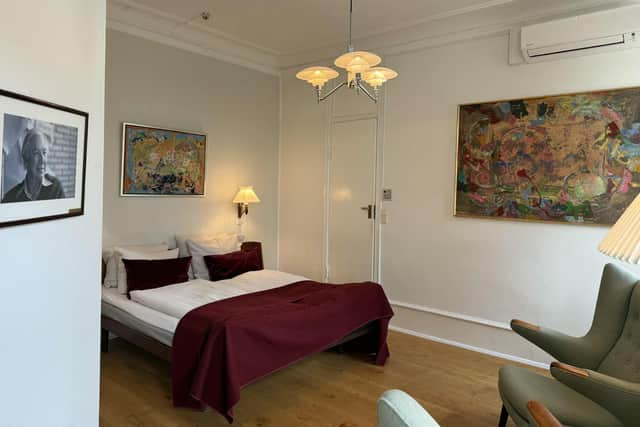
It was a good size for a double with a writing desk area, TV, coffee station, dressing room and two wing-backed chairs - you don’t have to go far in this hotel to find a stylish chair.
The double bed was made up in the Scandinavian style with two duvets instead of one, to accommodate individual preferences for temperature and sleep styles, which makes perfect sense. You can’t help but think they’re better at these life design hacks than the Brits.
The bathroom, meanwhile, was very functional, but did the trick.
Downstairs, the library is a super stylish affair, filled with design books to browse and leading to a hot pink sitting room that looks like it’s popped out of a 1960s home design magazine.
Make sure to head back for wine hour each evening where you can relax and enjoy the surroundings over a complimentary tipple.
*The lead in price for Hotel Alexandra is approximately 900DKK (£105)
Food and Drink
Where to start with the food!
There’s been an explosion of flavour in the Danish food scene in recent years, the meaty aroma of traditional hot dog stalls now jostling for attention with the smell of freshly brewed coffees and pastries at the many, many bakeries and independents doing incredible dishes with seasonal produce.
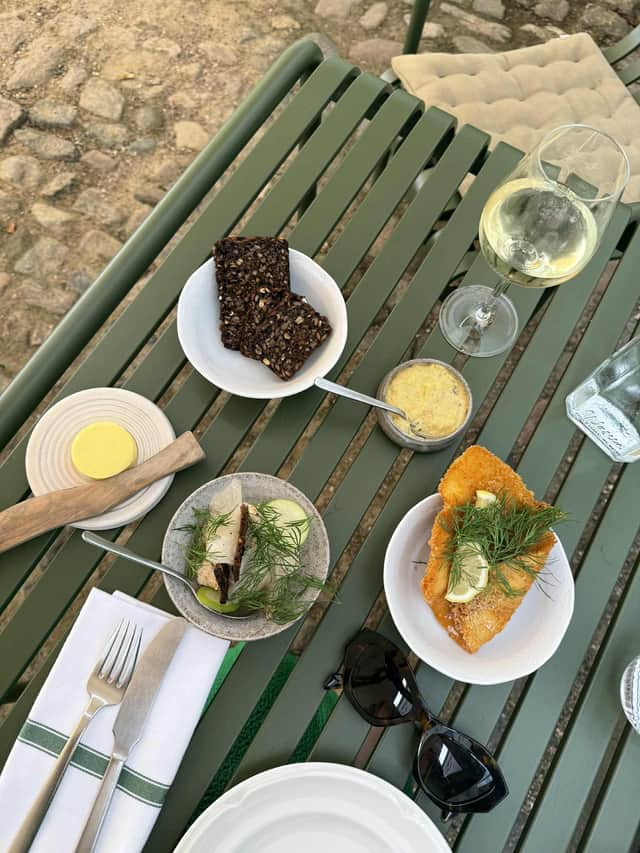
After a walk through the beautifully-manicured lush green grounds of Frederiksberg Gardens, I had lunch in the chocolate box setting of Fasangården, a charming Michelin Guide-recommended restaurant in a former 18th century house that’s full of character, from its quirky Murano glass chandeliers to its Wes Anderson-esque wallpapers.
I tucked into a real Danish feast from its lunch menu, which is generously-portioned over three courses, for a set price of 395 Danish Krone (around £45) with my server talking me through the heritage of the dishes.
A highlight was the fried plaice (beautiful stuff) and the finger-lickingly good rillette of hot smoked salmon with pickled kohlrabi, apple and rye crunch.
Top tip: don’t fill yourself up with the constant supply of rye bread, a moreish Danish staple that I couldn’t stop picking at.
Whilst I was over this side of the city, I tried out one of the new wave of restaurants doing great things in the city.
In the shadow of the famous Carlsberg elephant gates, Surt is in one of the new builds in this hip new district.
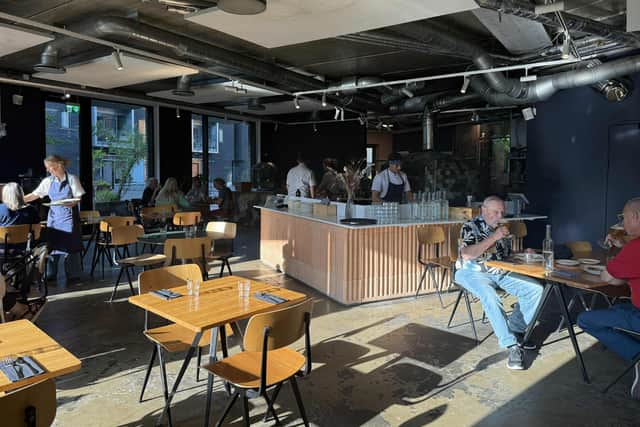
It had a great buzz on a Saturday night as chefs spun and hand-stretched dough and flicked it into the heat of the pizza oven to the sound of the clink of wine glasses, the golden Danish evening sun pouring through the open bifolds.
Despite pizza being the speciality here -and those being served around me looked pretty spectacular - I was still full from lunch so had a lighter meal from the a la carte menu.
Rhubarb is a common Danish ingredient and the pickled version I had here was an absolute revelation - I couldn’t get enough of the stuff.
Meanwhile, my main of a classic beef tartare glistened with freshness and was elevated from the norm with the addition of smoked emulsion and fava beans, with the silky meat punctuated with sourdough shards.
With Surt meaning sour in Danish, I had to try the sourdough, a craft and science they’ve managed to perfect if the house bread is anything to go by, with a great balance of texture and flavour.
Another lunchtime on my trip was spent grazing at Lido, a lovely cafe and bakery that occupies a grand curved old building in Vester Voldgade.
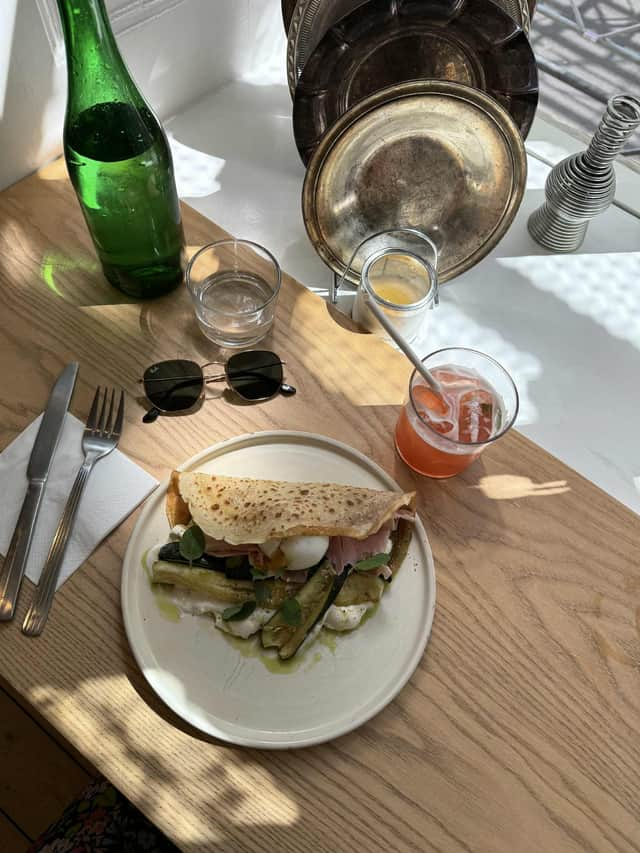
Despite being close to the hullabaloo of Tivoli and one of the city’s main squares around City Hall, it has a welcoming feel of a neighbourhood coffee shop - with friendly service that makes you feel like a regular even if you’ve only been once.
On the menu, there’s a host of flaky pastries, loaded crepes, folded eggs and more in super tasteful surroundings.
Something a bit different for my evening meal that day as I made the journey to the other side of the city.
Amidst the converted aircraft hanger-esque structures of Refshaleøen there’s an urban farm that’s whipping up culinary wonders with Mother Nature’s larder.
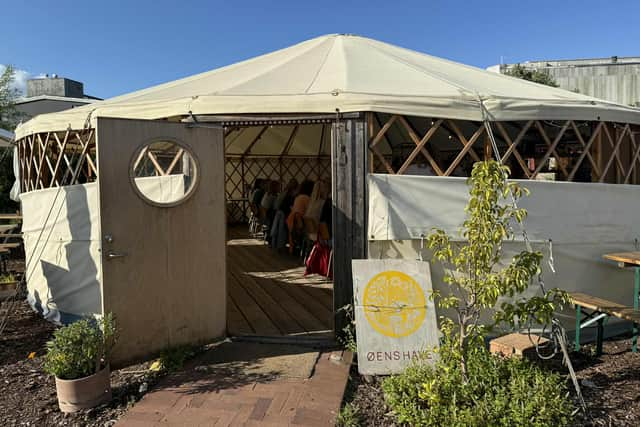
Øens Have has brought spectacular new life to a once barren corner of the city, which is now alive with a rainbow of wild flowers, the buzz of bees, cluck of chickens and kaleidoscope of herbs, fruits and vegetables that go into the dishes they serve.
I visited on one its Long Table nights, a communal dining concept which is a great way of trying places at a cheaper price while sharing dinner with some of the locals.
We dined on a long table in the farm’s yurt, dressed with wild flowers from the site as we were served dishes for the table, much of which was filled with ingredients from the gardens outside - you don’t get shorter food miles than that.
With head chef William Georges at the helm, we enjoyed an evening of chatter grazing over dishes such as garden greens and flowers salad, baked cod and grilled mackerel with caramelised yeast butter and blue oyster mushrooms with carrot puree. All beautifully fresh, a real ode to natural flavour.
I must mention how great the Hotel Alexandra food is also. So good, there’s a near constant queue from locals jostling for a table every morning.
Fortunately, hotel guests get priority. Expect classics to fuel you for a day of exploring like Croque Monsieur, avocado smash, shakshuka, pancakes - and one of the best cup of Joes in town.
Museums & galleries
I’ve visited some great galleries in Europe and I don’t know how Copenhagen’s have flown under my radar for so long.
For a relatively small capital city, it really punches above its weight culture-wise - and you can access more than 80 of its attractions by showing your Copenhagen Card on entry.
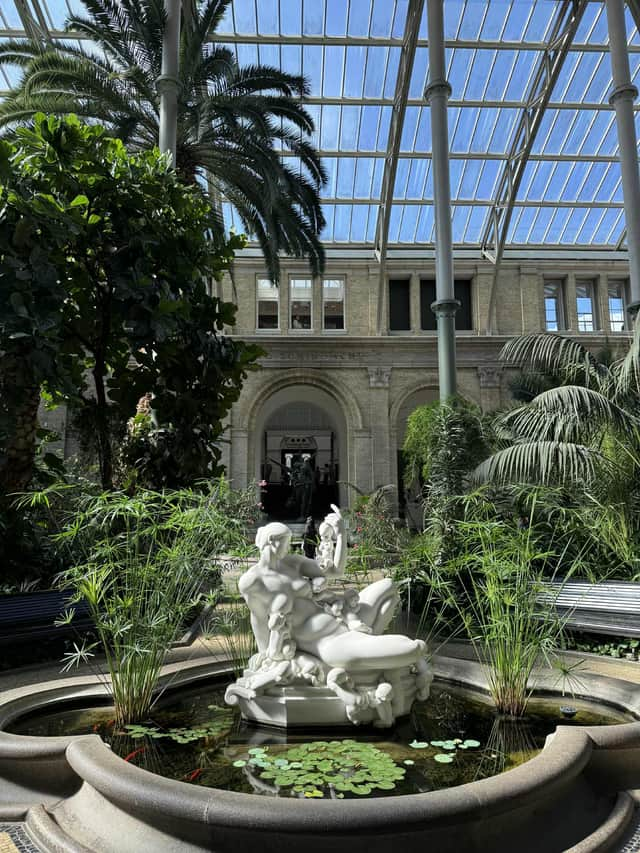
Take for example, the Glyptotek, the building a masterpiece in itself with its opulent architectural splendour.
Founded by Carl Jacobsen, of the famous Carlsberg brewing dynasty, it houses his private art collection of great works, from French impressionists to ancient Egyptian treasures.
At its heart is the simply stunning winter gardens with its lush palm trees, fountains: an oasis of serenity in the heart of the city.
As passionate about art, and making it accessible to all, as he was brewing, the building is a stunning testament to the legacy and mark the philanthropist made on the city.
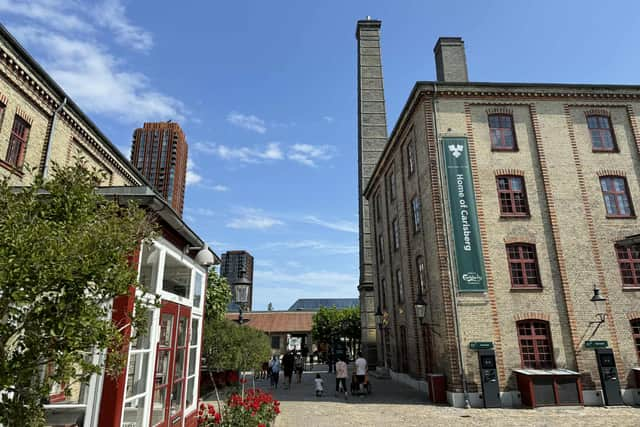
Talking of Copenhagen’s most famous family, if lager is your thing - and even if it isn’t - the Home of Carlsberg is well worth a visit.
It’s a real homage to one of the world’s greatest brewing success stories - and masters of marketing.
Located in the grand and imposing original Carlsberg brewery of 1847, the listed building takes you back to the story of the founders J.C. Jacobsen and his son Carl after whom the lager is named, his name amalgamated with the Danish for hill, berg.
From divisions in the family and their passion for bringing culture to the masses of Copenhagen, their iconic marketing slogans to its famous links with Liverpool, it’s a fascinating foray through decades of brewing told through nifty holograms and interactive displays - with a fresh pint at the end that tastes much better than its British version!
A short walk from the Carlsberg district, you’ll find a futuristic-looking glass pyramid piercing the lush greenery of Frederiksberg Gardens.
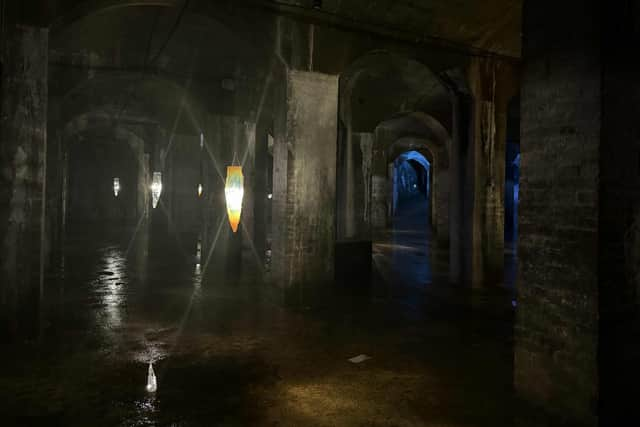
It’s actually the portal to an old water reservoir transformed into an underground contemporary art space called Cisternerne.
Descend the concrete staircase as the cool air envelops you in the chambers of this hugely-atmospheric space.
The exhibition on my visit was Jakob Kudsk Steenson’s Psychosphere where deep sea volcanic landscapes and alien-esque creatures and fossils swirl around you. It’s visual storytelling at its most immersive.
For more great Danish art, head over to the Design Museum which celebrates the country’s inventive sons and daughters who’ve made their mark on the world.
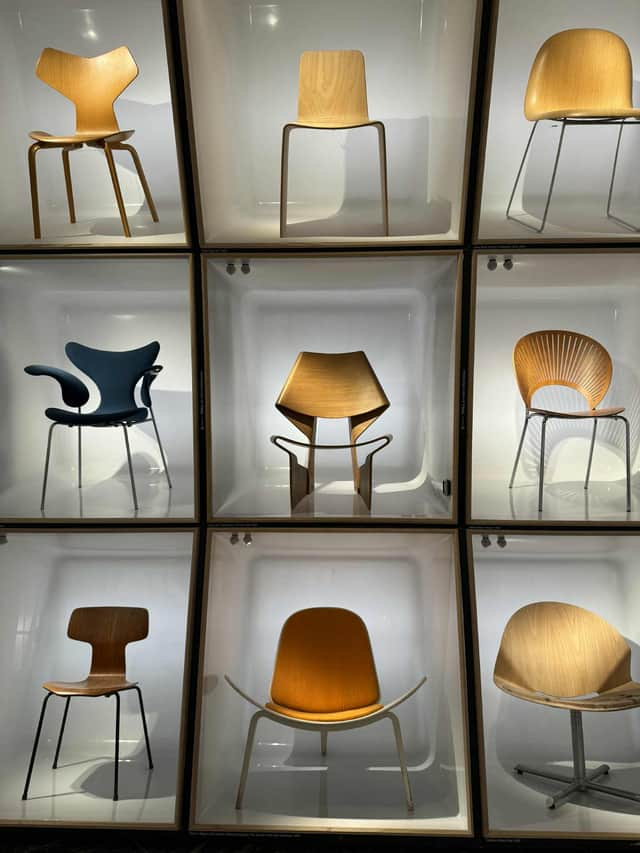
A highlight is the Danish Modern display looking at the past 80 years of Danish design which has informed so much of our household items.
The most famous is, of course, the chair and there’s a tunnel of chairs to admire from some of the country’s great designers, as well as international designers, who pushed the boundaries of this everyday object.
Sculptural works of art in their own right, there’s chairs from the likes of Hans J. Wegner, Arne Jacobsen, Nanna Ditzel, Cecilie Manz and more.
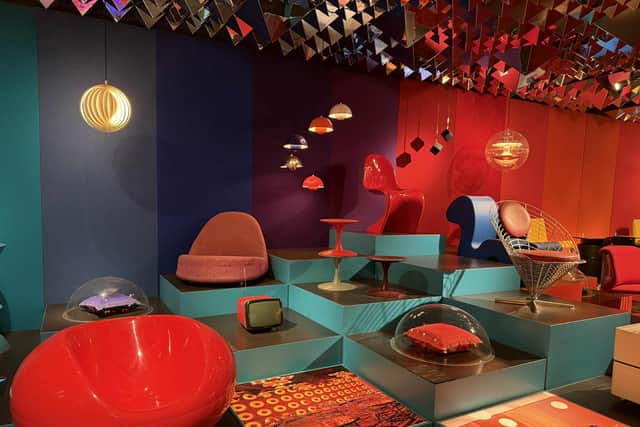
Great fun too is the rooms dedicated to post modernism and their playful pops of colour which broke away from pure functionality.
Hop on the harbour bus to the old industrial area of Refshaleøen, now a hip district that’s buzzing with creativity and home to some of the city’s best restaurants, including the world-renowned Noma.
An expansive old welding hall is now home to Contemporary Copenhagen, which, as the name would suggest, celebrates established and emerging contemporary artists.
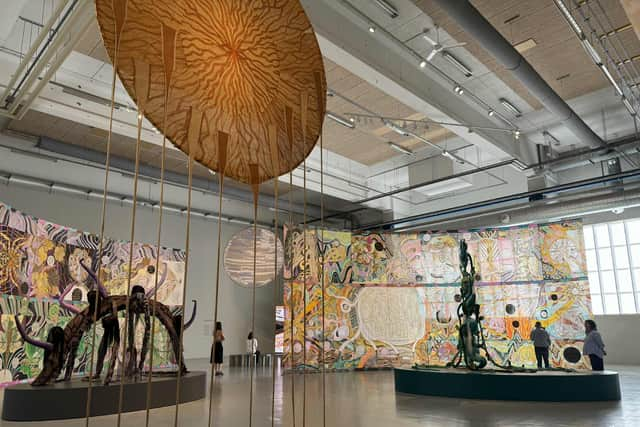
The high ceilings and natural light pouring through the capacious rooms of this once heavily-industrialised space lends itself perfectly as a canvas for large-scale works - as an added bonus it has a great, interactive gallery space for kids.
Now, as is often the case with contemporary art, some pieces appeal more than others, but the building is fascinating to walk through whatever your artistic persuasions.
Is Copenhagen expensive?
It’s known for being so, but I didn’t find it as extortionate as you’d think with prices comparable to other capital cities - and the Copenhagen Card certainly helps keeps cost down and manage what you’re spending.
Food in restaurants was what I’d expect to pay in places like London et al.
Taxis, however, were noticeably more expensive here. I got a Bolt one night because I was running late and it was £23 to travel 11 minutes, double what it would cost me at home. The Metro is easy to use, and again free, on the Copenhagen Card so just plan your time better than me to avoid taxi costs.
The most expensive drink I had was a large glass of wine in one of the main squares, with a bowl of nuts and olives also, which cost me £23, but I was right in one of the tourist traps.
Flights
Norwegian Airlines landed at Newcastle Airport in May this year with twice-weekly flights to the Danish capital every Monday and Friday.
The new service with the low-cost carrier is the only regular direct route to Copenhagen from the North East and Yorkshire regions.
Prices start from £48.60 one-way
Norwegian Airlines has also extended its Newcastle–Copenhagen route:
*May - October 2025: Flights on Mondays and Fridays
*November 2025 - January 2026: Flights on Fridays and Sundays
*March - May 2026: Flights on Mondays and Fridays
For more information visit https://www.norwegian.com/uk/