
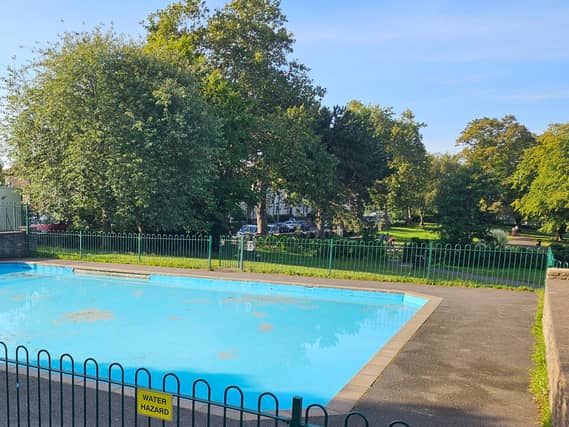

Victorian-built St Andrew’s Park is steeped in history, filled with wildlife and it’s one of the only public parks in Bristol with a paddling pool.
The park, located in a sloping site and with an informal layout, was originally purchased for £6,857, and £6,190 was spent on the layout before its public opening in 1895.
At the time, the park had a bandstand from which music was played three times a week.
Due to the beds of roses, geraniums and mignonettes with sunflowers and hollyhocks planted among the shrubs, the park was declared to be the most attractive in Bristol by a newspaper in August 1899.
The park is full of history from World War II and was the site of the crash of a Wellington bomber T2905 on April 30, 1941, when three out of the six crew members passed away during the crash.
Nowadays, the park is open to the public at all times and has an informative display of information boards with information about the wildlife and fauna found in the park and the history behind St Andrew's Park.
Here are 17 photos from our visit to St Andrew’s Park.
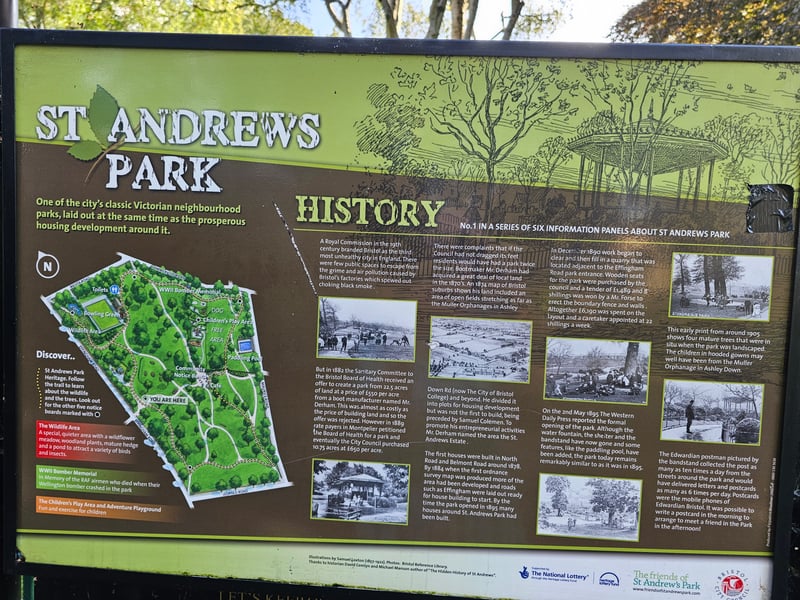
9. Map with information on the history of the park
Located near the entrance by Effingham Road, this information board features the history behind the construction of St Andrew’s Park. | Adriana Amor
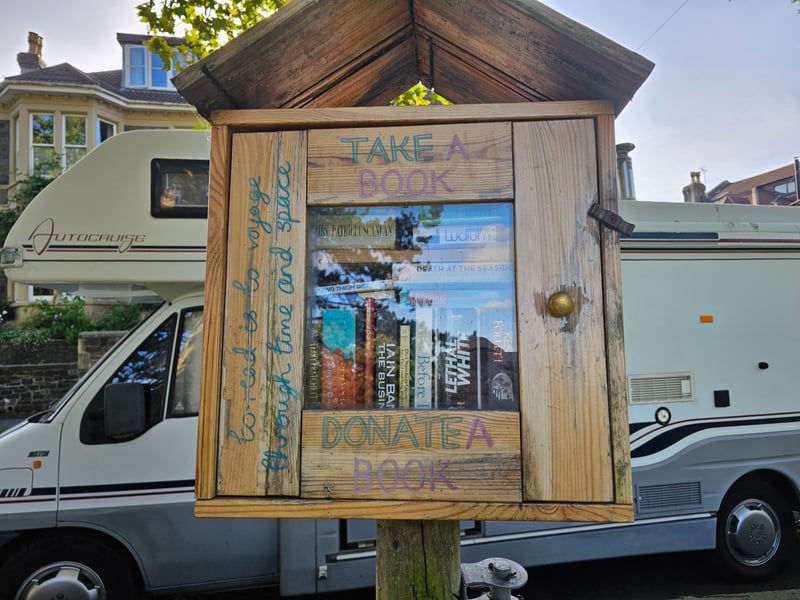
10. Book exchange
We found this small structure near Leopold Road. It encourages visitors to take and donate books. | Adriana Amor
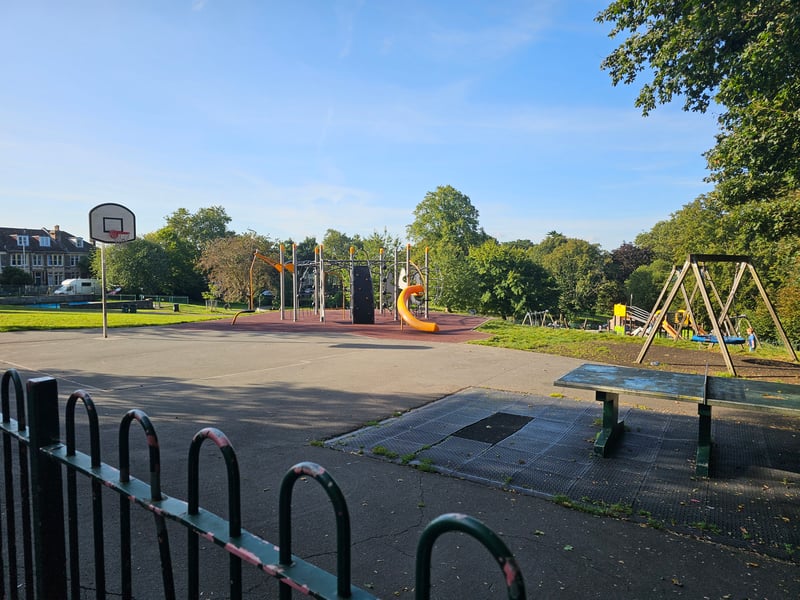
11. Playground
The playground equipment was first installed in 1946. The playground is a dog-free area in the north-central part of the park and includes a sand pit, swings for toddlers, climbing frames, a slide and balancing rails. | Adriana Amor
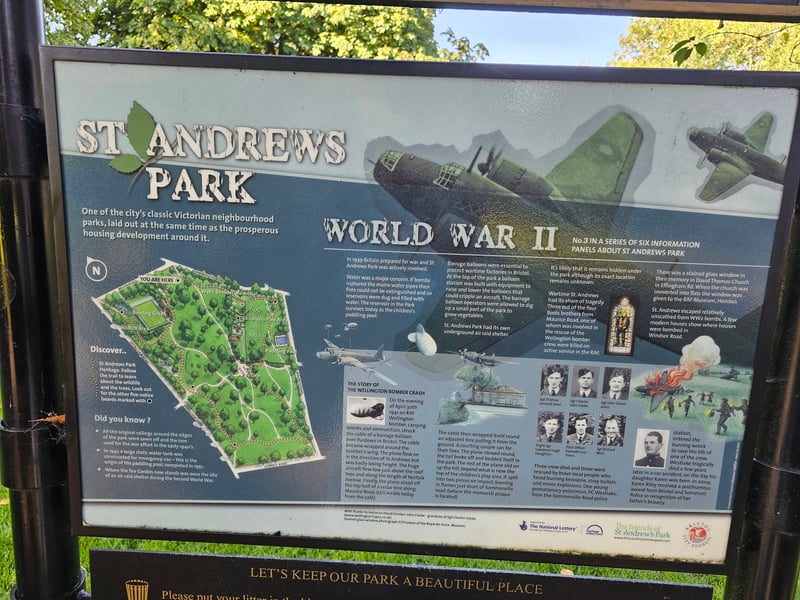
12. Map with Information On World War II
Located near the entrance by Sommerville Road, this information board features information about the impact of World War II on the park including the story of the Wellington bomber crash. | Adriana Amor