
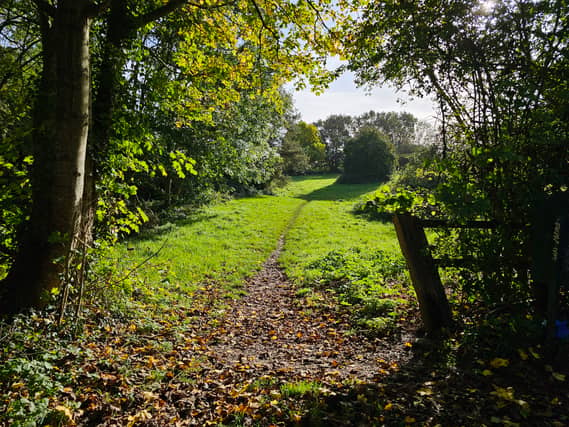

Located in Brislington, 65-acre Eastwood Farm was a traditional farm until 1971 when it was bought by the Bristol City Council.
The site was used as a landfill site for domestic waste until 1978 but since composting rubbish releases methane, it was dangerous to build over the landfill, which meant that the site remained undeveloped.
After the closure of the landfill, Eastwood Farm was landscaped and trees were planted.In January 2008, Eastwood Farm was designated as a Local Nature Reserve.
It is a valuable haven for wildlife, and many different plants, birds and animals can be found in the woodland, water meadows and other areas of Eastwood Farm including foxes, frogs, newts, herons, dragonflies and swans.
Eastwood Farm is managed by the Bristol City Council alongside the Friends of Eastwood Farm, a local group that aims to strike a balance between enabling visitors to get close to nature and enabling nature to take its course.
Here are 18 photos from our visit to Eastwood Farm:
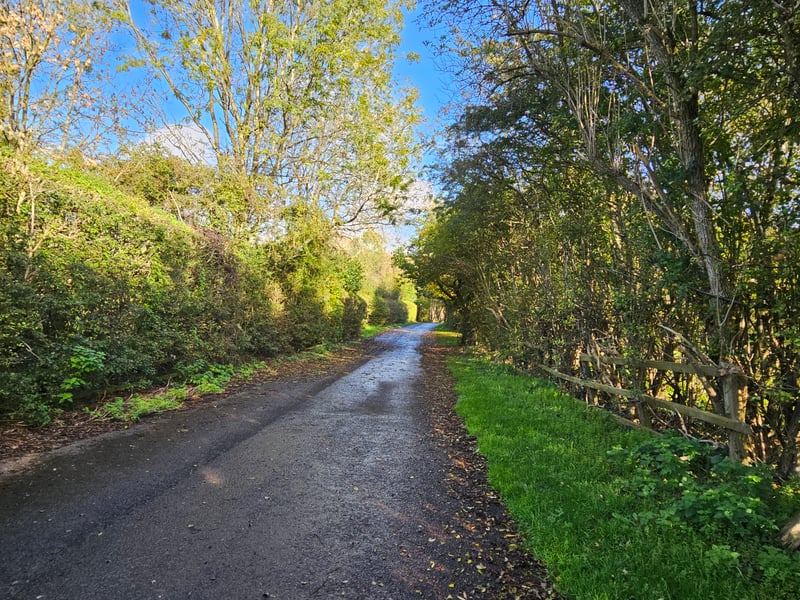
1. Accessible path
The Old Tip Lane is an accessible 1km return walk taking visitors through a smooth tarmac past meadows and woodland with wildlife in the trees and hedges. This route was used to bring waste materials when it was a tip. | adriana amor
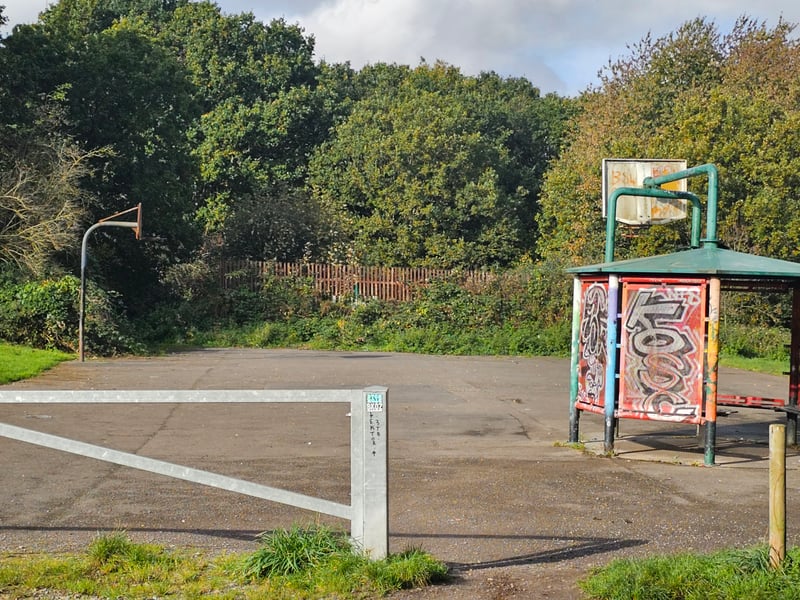
2. Basketball court
A basketball court is located near the playground, by the north-west of the park, near Eastwood Road. | adriana amor
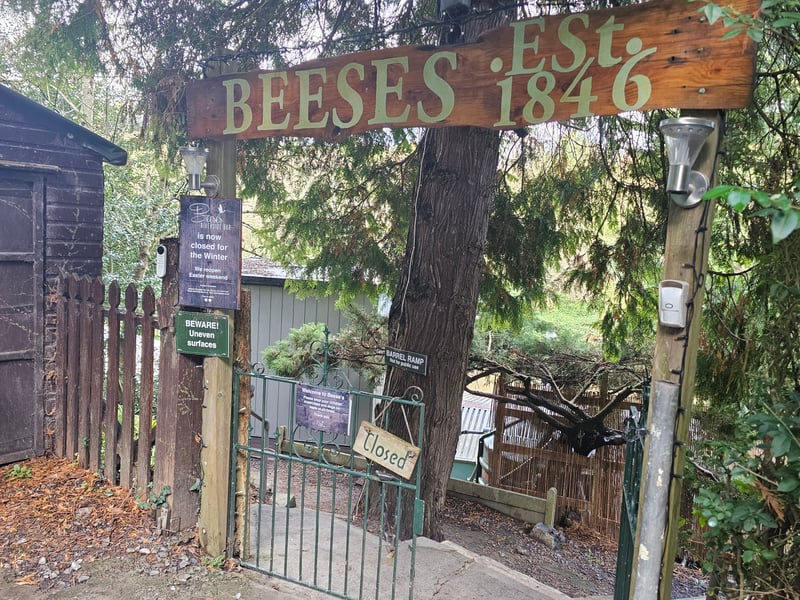
3. Beeses
Located at the north-west of Eastwood Farm, accessed via Wyndham Crescent, Beese’s is a pub (often referred to as a Tea Garden) that was founded in 1846 by Mrs Anne Beese to provide refreshments to travellers and workers using or crossing the river. It is open Friday and Saturday from 12pm to 11pm and Sunday from 12pm to 8pm. Booking is needed on Sundays. | adriana amor
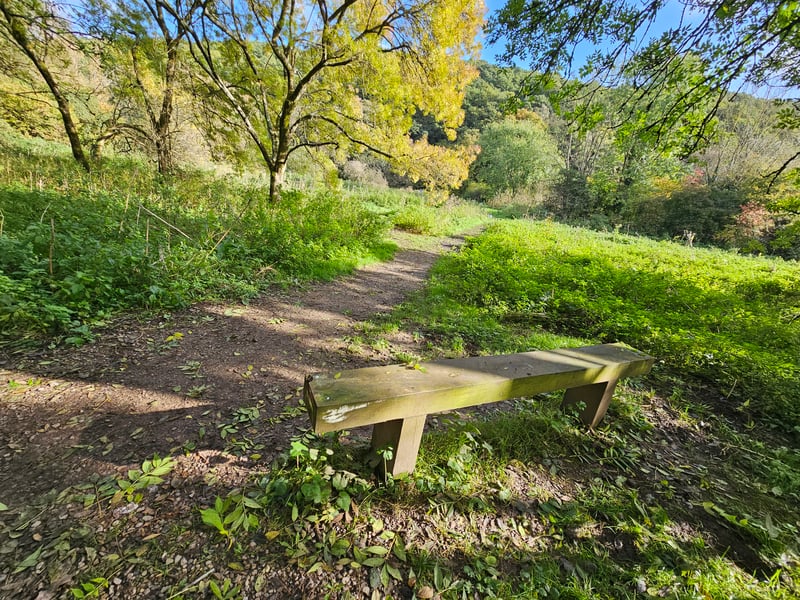
4. Benches
Visitors can enjoy a selection of benches throughout the nature reserve with beautiful views of the River Avon, the greenery and a field of horses. | adriana amor