
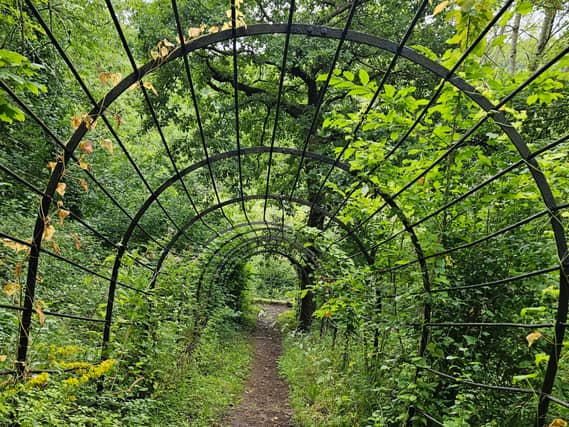

It may not be as well known as some places in Bristol but Bishop’s Knoll is a site full of history.
With its main entrance at the junction of Bramble Drive and Bramble Lane in Stoke Bishop, it’s next to Bennett’s Patch, White’s Paddock Nature Reserve and Old Sneed Park Nature Reserve.
Bishop's Knoll was once part of a deer park dating back to 1274. The land was given to the Bishops of Worcester by William the Conqueror until the dissolution of the monasteries between 1534 and 1539 when Henry VIII gifted the estate to Ralph Sadlier.
In the late 19th century, Bristol merchant Peter Prankerd built a large estate house called The Knoll in the grounds.
In 1908, the house was bought by Robert Edwin Bush, a multi-millionaire who had made his fortune as a sheep farmer in Australia.
During World War One, Bush and his wife, Marjorie, turned the house into a makeshift hospital for Australian soldiers.
Following Bush’s death in 1939, the house became a hostel and then a school for nurses. In 1972, the house was demolished after a fire, and in 1983, the land was donated to the Woodland Trust by a building firm.
Here are 12 photos from our visit to Bishop’s Knoll.
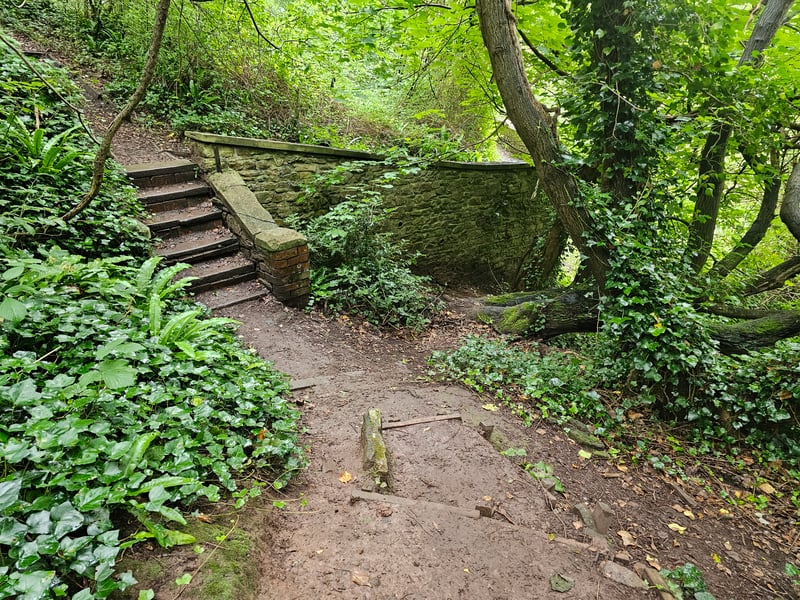
9. Walking trails
There are multiple walking trails throughout Bishop’s Knoll including Lost Terrace Garden Path, Arboretum Walk and Nature Detectives Trail. | Adriana Amor
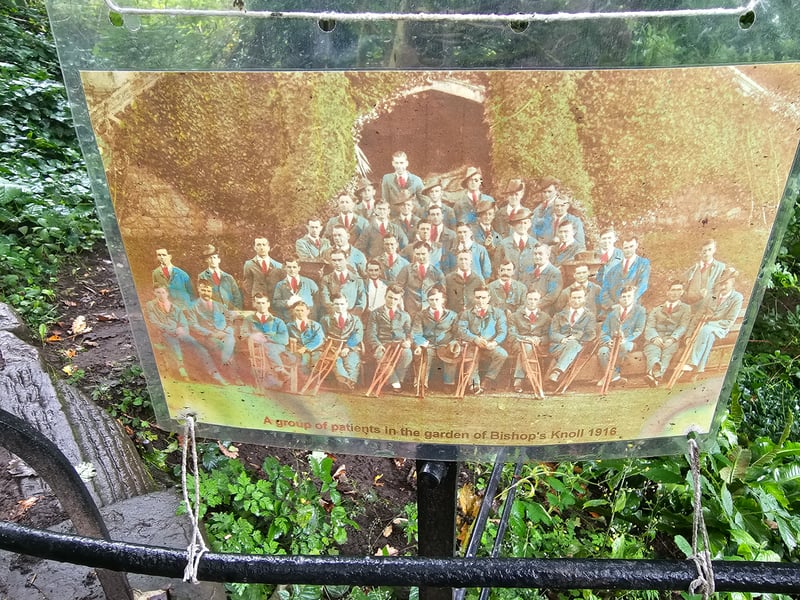
10. Photo
A photo found next to the viewpoint dating back to 1916. The photo features a group of patients in the garden of Bishop's Knoll. | Adriana Amor
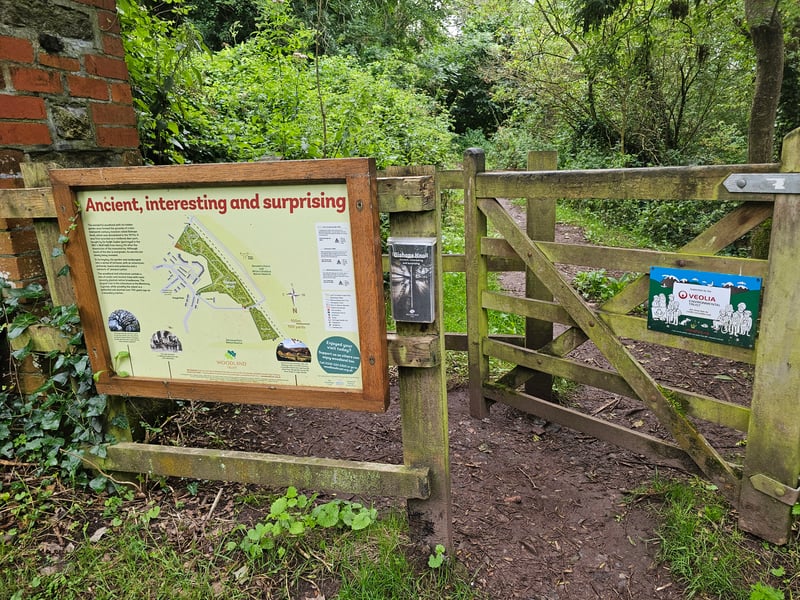
11. Entrance
There is another map of Bishop’s Knoll by the entrance to the former estate. There are also leaflets available with a map and information about Bishop’s Knoll’s history. | Adriana Amor
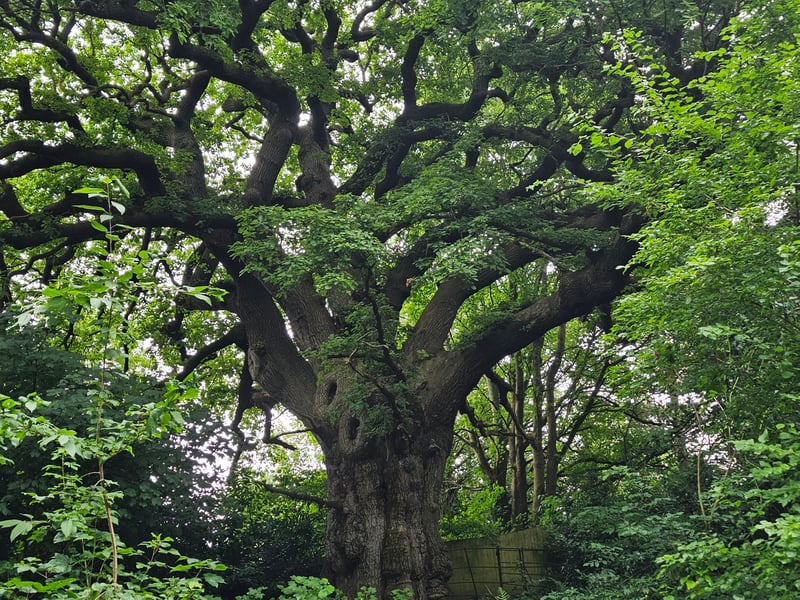
12. Heritage Sessile Oak
One of the biggest oak trees in the city, its age is unknown and estimated to be between 300 and 900 years old. The tree is believed to have been planted as a bundle of six or so trees which could account for its portly size. The oak tree can be found near the main entrance. | Adriana Amor