
Controversial Bristol Park Street traffic ban hits major obstacle as West of England metro mayor intervenes

A controversial plan to ban cars from driving through Park Street has been blocked by the West of England metro mayor. But Bristol City Council could still press ahead with the scheme, which would stop through-traffic from using the shopping street, to free up buses stuck in congestion.
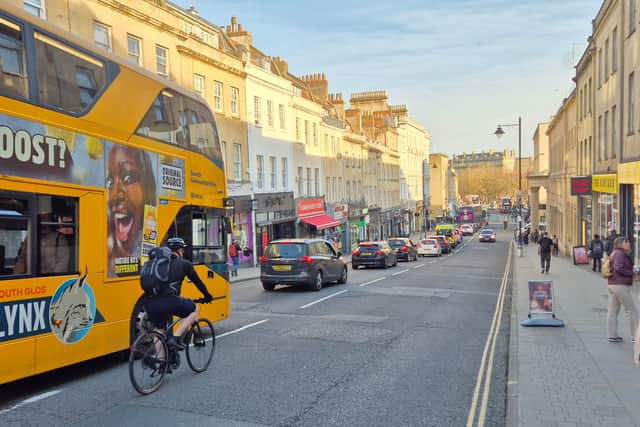
Park Street, a steep shopping street north of the city centre, is a main route for many bus services. But these buses often get stuck in traffic, with long queues to get to the bottom of the road. The council wants to ban most drivers from the street, and work was due to begin last October.
The main problem with the plan, according to the mayor, is that traffic would be diverted along Park Row, passing the Bristol Royal Infirmary and the Children’s Hospital. This street is already polluted and the extra number of cars could increase the levels of pollutants harmful to health. One compromise offered by the mayor was banning through-traffic only at peak times as a trial.

Speaking to BBC Politics West, Helen Godwin, the Labour mayor of the West of England, said: “My instinct was this wasn’t something that was popular, it didn’t seem entirely necessary. We offered that the scheme could be paid for through the pot of money held by WECA, if we did it as a 12-month trial, and we had the bus gate only operational at peak time.
“However, Bristol decided that they didn’t want to do that. So now they’ve decided to pay for the scheme themselves. We’ve tried to get to a compromise position. The funding was never there anyway, so it hasn’t been pulled. We’re not now funding the scheme, it’s Bristol’s scheme. We couldn’t get to a place where we agreed.”
The £15-million scheme includes widening pavements and installing a new bike lane on Queens Road, as well as banning through-traffic from Park Street. Taxis would be able to use the road, and drivers would be able to access and park on the street, via St George’s Road, just not the whole length. The plan involves redesigning the area around the Triangle and Queens Road.
Last year transport bosses at the council said the scheme could actually help congestion along Park Row, rather than worsen it. Because there would be less traffic going through Lewins Mead, there would be extra capacity at the Bearpit roundabout. This would help traffic flow along Park Row, according to Adam Crowther, head of city transport.
But the mayor was not convinced. The West of England Combined Authority holds the purse strings for major transport projects, via a huge grant from the government called the City Region Sustainable Transport Settlement. Without her approval, the council will have to try and pay for the works itself, potentially from Clean Air Zone income and a separate government grant.
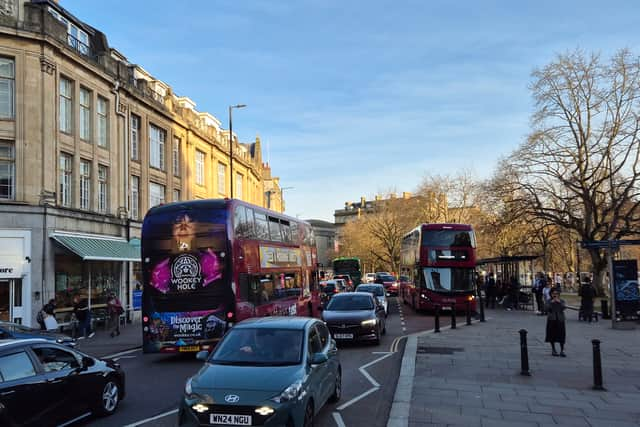
Green Cllr Heather Mack, deputy leader of the council, told the BBC: “We’ve heard from the metro mayor that buses are at the centre of her mission for the region for transport. This is a project that we’ve been putting forward for the Number 2 bus route, which currently gets delayed about 10 minutes at peak times.
“This project is putting a bus gate on the top of Park Street, among some other interventions, and could save six minutes of that. So it’s really transformational for those that are getting that bus route. I would like to understand better Helen Godwin’s decision. We’ve struggled a bit, we’ve had a lot of back and forth and we’re not quite sure where this comes from.”
So the scheme could still go ahead. But yet another obstacle could block its path. The cross-party transport policy committee would have to approve the council spending its own money to pay for the works. That means the Greens need either the support of the three Labour councillors on the committee, or the single Liberal Democrat. The Tories have opposed the plan.
Under the scheme, the giant roundabout at the bottom of Whiteladies Road would become a smaller junction instead, with some of the road space being converted into pavements and outdoor seating. Some local businesses along Park Street previously campaigned against the plan, as they feared that if drivers couldn’t use the road then they would struggle to stay afloat.
A key reason behind the scheme is the wider push to get more people using public transport and fewer people driving cars, to ease the city’s terrible congestion. But if bus passengers get stuck in traffic, that makes journeys unreliable and services turn up late, putting off people from using public transport again in the future. Without traffic on Park Street, buses would be quicker.