
‘Absolute disaster’ feared for Bristol buses despite promised progress on franchising plans

Progress has been promised “shortly” on bus franchising but campaigners are warning of looming cuts to services in the West of England.
Several bus services in the wider Bristol region are paid for by the taxpayer although some of these only have funding confirmed until next April.
Supported bus services are funded through a mix of a transport levy, which local councils pay to the West of England Combined Authority, and a bus grant from the government. This cash is then paid to bus companies to operate services which don’t make them a profit.
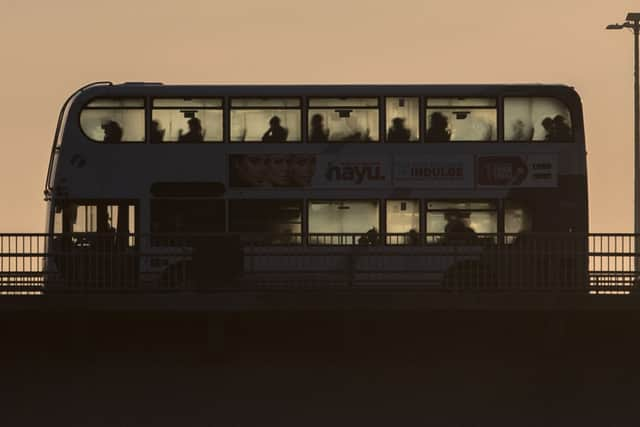

One prominent campaigner said the region needs an extra £15 million to keep the current supported services in place. This is partly due to rising costs, such as higher pay for drivers and fuel getting more expensive. One service at risk is the Y8 in South Gloucestershire.
Fares across the region recently increased to £2.50. So if any cuts do happen in April, passengers face the prospect of paying more for fewer services. Elsewhere in the country, politicians have more control and oversight over the bus network, via a franchising model.
Franchising is being explored in the West of England, and staff promised campaigners that an initial feasibility study would be completed shortly. This could involve cross-subsidising routes, so more profitable ones help fund supported services, preventing the uncertainty over cuts.
The West of England Combined Authority committee was warned on Friday, October 17, that any cuts to services next April would be an “absolute disaster”. But recent progress was welcomed on improving some supported bus services — despite their uncertain future.
David Redgewell, a transport campaigner, said: “We’re making lots of progress on buses. Routes are going back to places like Wotton-under-Edge and east Bristol, and there are better routes from Cribbs Causeway across to Yate and Thornbury. That’s great but it’s costing a lot of money and this is where I’m worried.
“It’s going to cost us £15 million just to stand still. That allows for a price increase for the operators, and that’s what we need to raise in the transport levy, plus the money from the government’s bus grant. We don’t want to see any bus cuts in April — that would be an absolute disaster.”
Another ongoing problem is the Westlink minibus service. This demand-responsive transport scheme lets passengers book a minibus to connect them up with the wider bus network. But there are concerns about how expensive the scheme is to run, with minibuses often only carrying one or two passengers, and funding is only secured until March next year.
Jo Sergeant, representing the Reclaim Our Buses campaign, added: “I’m concerned about the sustainability of funding due to frozen bus levies. There’s a sense of ‘grab whatever you can find to plug the gaps’ approach, which doesn’t feel like it could go on indefinitely. The bus that I would have caught this morning was cancelled, and this is a regular occurrence.”
Helen Godwin, the Labour mayor of the West of England, told councillors on a scrutiny committee on Monday, October 13, that more details will become clear later this autumn. She added that 910,000 free journeys were taken by children over the summer, as part of a landmark “kids go free” scheme which ran in the region over the school holidays.
The mayor said: “We’re waiting for confirmation from the government for the region’s bus grant, which we are hoping to get this month or next month. That will enable us then to do a bit more work around planning our more general approach to how we connect our villages and rural bus services.”
After many months of public pressure, in September last year the West of England finally approved funding for a feasibility study on improving buses, including franchising. This will be completed shortly, but then passengers will still have to wait for the next steps to be taken. The two options being explored are bus franchising and municipal ownership.
Franchising would see much greater democratic control over routes, fares and standards, while companies such as First Bus and Stagecoach would continue to operate services. Municipal ownership would see a new publicly owned bus company set up, although this is currently banned by the government. But a new bill going through parliament could remove this ban.