
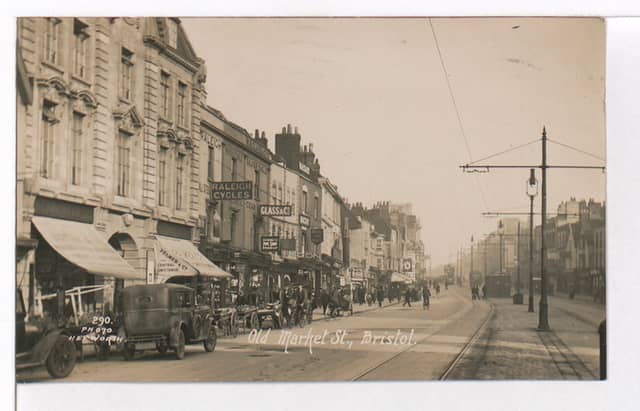


Bristol is a city known for its love and abundance of independent stores and high streets, supposedly boasting the longest independent high street in Europe, Gloucester Road.
More recent shopping quarters, such as Wapping Wharf have also been cemented as city-favourite shopping destinations as an emphasis is placed on local, high street shopping following the Covid pandemic.
However, Bristol has changed immeasurably as a city over the years with many areas being completely renovated - with high streets being unable to escape this trend.
Bristol World has put together a collection of postcard images from Know Your Area which allows us to peer into the past at 10 of the city’s high streets. Some areas may be unrecognisable while others will have shops still trading today, perhaps under a different name.
Here are the 10 high streets we have chosen (credit: BCC/Vaughan Postcards) :
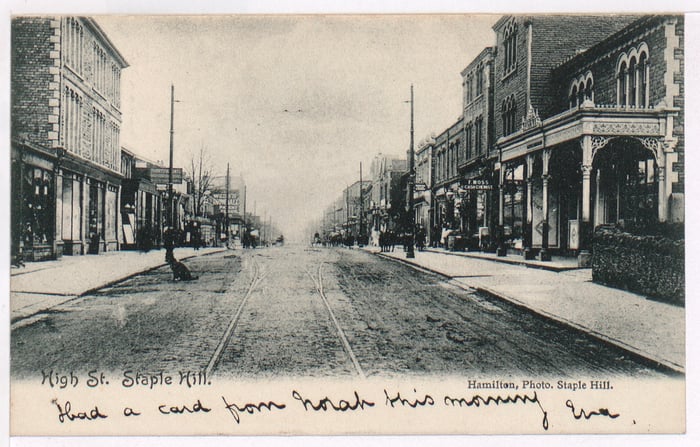
5. Staple Hill, c1900s.
Staple Hill High Street in the early 1900s. F. Moss chemists can be seen on the right, the building is now used as a DIY store. | BCC/Vaughan postcards
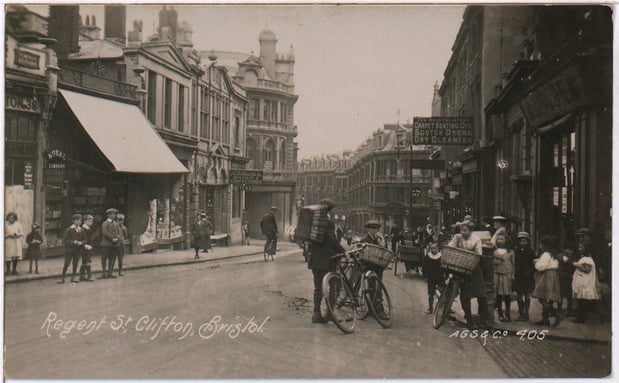
6. Clifton Village, 1920
Many Clifton businesses can be seen in this image including Ernest Crichton’s music warehouse at number 38, James F Hammond & Co’s Royal Library and bookseller at no. 36, Robert Frost Luckly’s bakery at no.32 and more. | BCC/Vaughan postcards
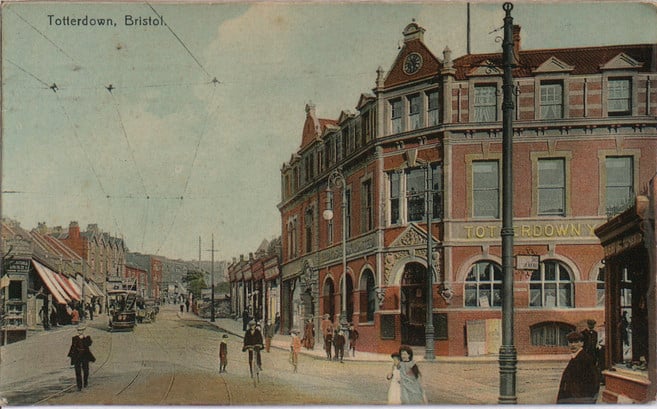
7. Totterdown, c1910
Taken from Wells Road, here we can see the YMCA building which was built 10 years prior, in 1900. The building still remains today and is used as a cafe and gym. | BCC/Vaughan postcards
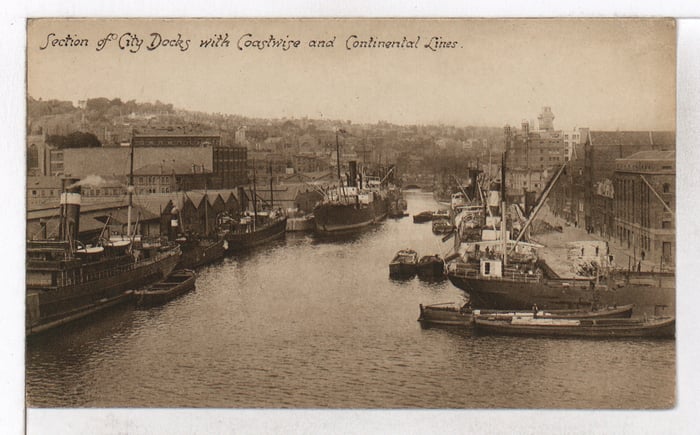
8. Wapping Wharf, 1924
In the left of this image is what would become one of Bristol’s most recent shopping quarters, Wapping Wharf. Dockyard commerce gradually declined during the 1950s and 1960s and the area became home to the Arnolfini gallery, the Industrial Museum and the cargo containers where businesses now operate. | BCC/Vaughan postcards