
Crunch meeting decides fate of South Bristol's tallest tower amid warning over locals' mental health

Plans for South Bristol’s tallest tower have been blocked after councillors voted against approving permission due to concerns about its height. Galliard Apsley is planning to build 434 flats, a fifth of which will be affordable, and 400 student beds, including a 23-storey tower.
The development is located on a one-hectare site south of Princess Street, in between Victoria Park and the New Cut river, and is currently home to light industrial buildings. The new homes would be split across four blocks, with the tallest reaching 23 storeys in height.
Council planning officers said the height was acceptable because the architectural design was good quality, although admitted this was subjective. The plans were vetoed by councillors on planning committee A on Wednesday, January 28, partly due to the impact on important views.
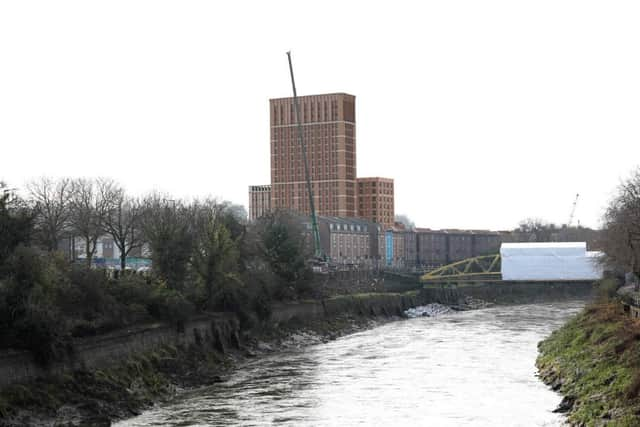

Suzanne Fitzgerald, from Victoria Park Action Group, said: “I have not met a single person who is in favour of this application, not one. You are not listening to us. We do not want high-rise blocks, blocking us in from Bristol city centre. You are reducing the view of St Mary Redcliffe church to a pathetic little speck. You are ruining our area.”
Local councillors said that high-rise blocks can damage the mental health of residents living there, and questioned the demand for more student flats. Pupils at a nearby school would also be affected, both by the construction disrupting their education and then future residents being able to peer into classrooms.
Developers defended the plans, which includes 1,131 square metres of commercial space, and said the tall tower was necessary for the scheme to go ahead. They added the development would kickstart the regeneration of the wider area around Whitehouse Street, where an industrial neighbourhood will gradually be turned into a residential one over the next few years.
George Baffoe-Djan, from Galliard Homes, said: “This scheme would deliver 434 new homes, including 87 affordable, directly helping Bristol’s housing crisis. These will be lovely, bright and energy-efficient homes. Although most of the scheme is no more than six storeys, there is one tall building, which seems to be the main concern.
“But many people enjoy living in taller buildings, and of course other parts of Bristol already host modern taller buildings. Without this building, there can be no affordable homes. In fact, the whole scheme would be unviable, putting over £3 million in [community infrastructure levy], council tax revenues, and hundreds of jobs on hold.”
Some of the commercial space on the ground floors of the new buildings would be offered to the NHS. However there is no guarantee that this would become a new GP surgery or similar healthcare provision, and council staff said they were not aware of any plans for new health facilities in the wider area. Other parts of the commercial space would become cafés and shops.
The council is coming under increasing pressure from the government to get more homes built in Bristol. Recent changes to planning rules mean that developers are more likely to get permission to build new homes, to help meet the city’s shortage of housing. This also makes it easier for developers to appeal to the Planning Inspectorate, if the council refuses permission.
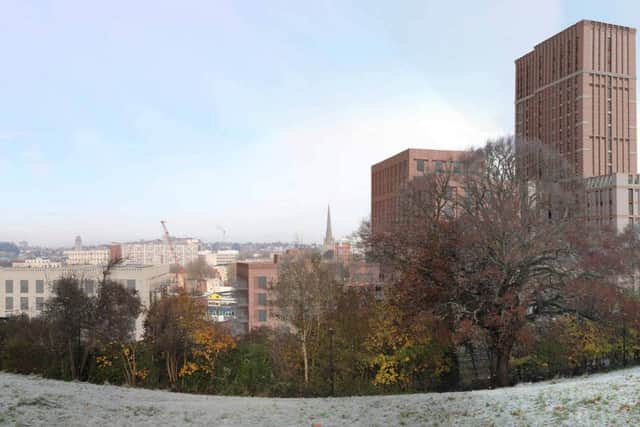
One sticking point was the Whitehouse Street regeneration framework. A few years ago the council consulted the public about how they would like to see the area develop, with an overall plan approved in March 2023. This suggested that a tall building could be built on this site, with a height of 10 storeys or more. Many locals were shocked that this has ended up as 23 storeys.
But the development would be connected to the district heat network and be within walking distance to both Bedminster train station and Temple Meads too. This means that the new homes would be sustainable, compared to somebody living on the outskirts of Bristol in a home with a gas boiler and relying on driving a car to get to most locations instead of public transport.
Liberal Democrat Councillor Andrew Varney said: “I’m not a huge fan of tall buildings and it will have an impact on wonderful views. But we have a huge housing waiting list, with well over 20,000 households waiting for somewhere to live. And you have to put that against protecting a view. Unfortunately, I have to go on the side of providing much-needed housing.”
Green Cllr Serena Ralston added: “We’re at real risk of losing what makes Bristol special, its low-rise skyline, and why people want to live here. It’s possible to create the new housing we need without wrecking our heritage. I know we have a housing crisis but I’m not sure that PBSA [purpose-built student accommodation] is really going to solve that.”
The committee voted three in favour and five against approving planning permission, with one abstaining. Councillors said there were too many homes crammed into too small a space, called ‘over-intensification’ in planning jargon, and historic views would be harmed. They also criticised the quality of the architecture and the high number of flats with windows on just one side.
The plans will come back to the committee in March, with council planning officers suggesting potential grounds for refusing permission. This could end up with the development getting scrapped, or the developers getting back round the negotiating table with the council and changing their plans somehow.
Voting in favour of the plans were Cllr Varney, Conservative Cllr Richard Eddy and Labour Cllr Don Alexander. Voting against were Green Cllrs Ellie Freeman, Ralston, Rob Bryher and Shona Jemphrey; and Labour Cllr Katja Hornchen. Labour Cllr Kye Dudd abstained. Bristol’s rules mean councillors can’t refuse permission straight away, but must wait until the next meeting.