
Bristol bus passengers left standing in the rain for two years after shelters destroyed

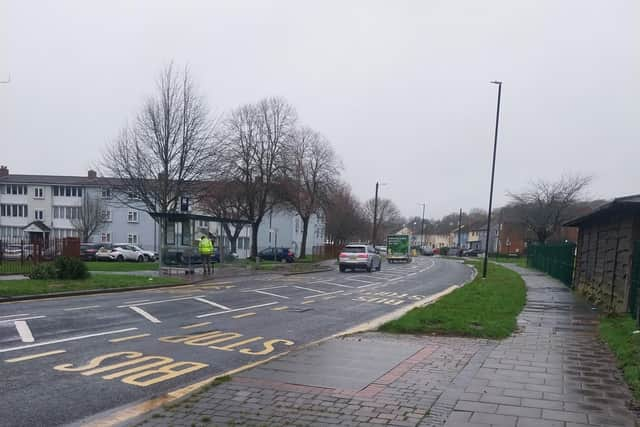
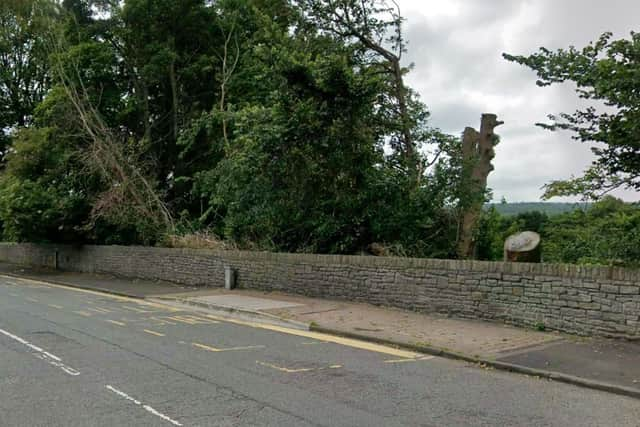
Passengers in a north Bristol suburb have been left standing in the rain for almost two years after a tree fell and destroyed a bus shelter. Across the city eight bus shelters have been removed after being damaged, while passengers face waits of many months before they are finally replaced.
While Bristol City Council is trying to encourage more people to use public transport, waiting in the cold and wet for a bus is unlikely to help make this an attractive option. A bus stop on Shirehampton Road in Sea Mills has been without a shelter since 2024 due to the tree damage.
Replacing bus shelters takes so long because of frequent rows between the council and its insurers, who even resort to getting barristers to argue against paying out claims. Leading councillors were grilled on the delays during a member forum meeting on Tuesday, January 13.

Labour Councillor Don Alexander, representing Avonmouth and Lawrence Weston, said: “It’s difficult to explain to residents that they have to stand in the rain for two years when a tree has fallen on the shelter. It’s very clear whose tree that was and it seems to them a very clear cut legal case to get the money out of the owner of that tree.
“They can’t have a shelter for two years because to put the shelter up might prejudice the insurance claim. It just doesn’t seem a robust answer for two years standing in the cold and wet. I believe it, but I don’t think it does much for our credibility as an organisation to give that response to people.”
Another bus stop left without a shelter is on Long Cross in Lawrence Weston, next to the Roman Villa. This one has been missing for around six months after a driver crashed into it. Talks between English Heritage and the council are still ongoing, which are needed before the shelter can be replaced.
But the overarching problem is the “frustratingly slow” process of getting an insurance claim. If the council paid out to replace the shelter straight away, that could invalidate the claim, which has happened before. And insurance companies also value getting a replacement shelter at a lower price than the council tends to pay.
Last year a row broke out over plans to pay £75,000 each for two replacement bus shelters in the city centre, described as the same price as “buying a flat in Hanham”. This money also covered elevated kerbs, changing drains and different paving to mark the area. However a quick search on the Shelters4Less website shows bus shelters for sale for less than £5,000.
Green Councillor Ed Plowden, chair of the transport policy committee, said: “I’m not happy with it either. What we’re talking about is the rather sharp practices of some of the insurance companies. There have been a number of places where the insurance companies have taken a very robust defence of their funds.
“We had the Cheesegrater Bridge out for nearly two years, which is an essential link in our cycle network, because the company chose to get a barrister involved to try and tackle that claim. This is a really useful reminder that we need to apply a little bit more boot to backside. It’s very much something that we don’t want to neglect and we need to push harder on.”
The Cheesegrater Bridge, formally called Meads Reach Bridge, connects the Dings with the area north of Temple Meads train station. The busy walking and cycling connection was shut between 2017 and 2019 after a lorry driver tried to traverse the bridge.
Another recent problem with claiming insurance occurred when the police incorrectly recorded a vehicle registration number after a crash damaged a bus shelter. This made tracking down the driver challenging. Spare shelters are now ready for a “prompt installation” as soon as the council gets a positive steer on the recent insurance claims.
After the meeting, Cllr Alexander said: “Two bus stops in my ward — eight across Bristol — have been damaged, removed, and not replaced. Forcing people to wait in the cold rain with no shelter is a huge disincentive to using public transport. It will often take years before insurers pay the council for a replacement.
“It is entirely illogical for the council to wait until the insurance is paid out before replacing a bus stop. If someone broke into your house and stole your telly, you wouldn’t wait over two years before replacing it. Yet, this is what the council does if it has to replace a bus stop. It doesn’t make sense.
“In response to my questions, officers tell me that replacing a bus stop before the insurance pays out may affect the claim. Sounds like the council needs a new insurer.”