
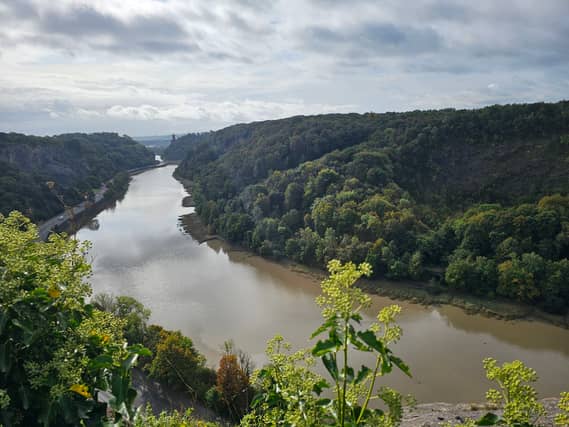

Consisting of 442 acres of land, The Downs is often dubbed Bristol’s ‘green lung’. Made up of Durdham Down and Clifton Down, the area has been protected from development since 1861 and spreads from the cliffs of the Avon Gorge to the edges of the Victorian-built suburbs.
Durdham Down is owned by Bristol City Council and makes 210 acres of the land, while Clifton Down makes the remaining 204 acres of land and has been owned by the Society of Merchant Ventures since 1686.
From the 18th-century, some of the land was used as lead and stone quarries, and until the mid-19th-century, the Downs was used as a rough pasture land for sheep grazing.
Horse races were held in the 19th-century, especially during Easter, as well as wrestling and boxing contests, and cricket matches between school teams of ‘young gentlemen’ and amateur cricket clubs.
The Society of Merchant Venturers gifted Clifton Down to the public indefinitely through an Act of Parliament in 1861.
On 22 May 2011, the 150th anniversary of the signing of the Downs Act was celebrated with a Victorian-themed event. The 95th Rifles Napoleonic Military Group provided a lively reminder of how the Downs were used for military encampments and parades in years gone by.
Nowadays, the Downs is home to The Downs League – a thriving amateur football league with many pitches. The Downs also hosts many major events, charity runs, circuses, funfairs and sponsored abseiling events.
The Avon Gorge and Downs Wildlife Project supports the wildlife in the park and runs events and tours, and the Friends of The Downs and Avon Gorge is a community group that supports the park.
Almost a dozen trails are available at the Downs including seasonal family trails and history trails.
The Downs is also considered a Regionally Important Geological and Geomorphological Site, a site of nature conservation interest and a Dark Sky Discovery Site (it’s basically a good place to look at the night sky).
Here are 23 photos from our visit to the Downs:
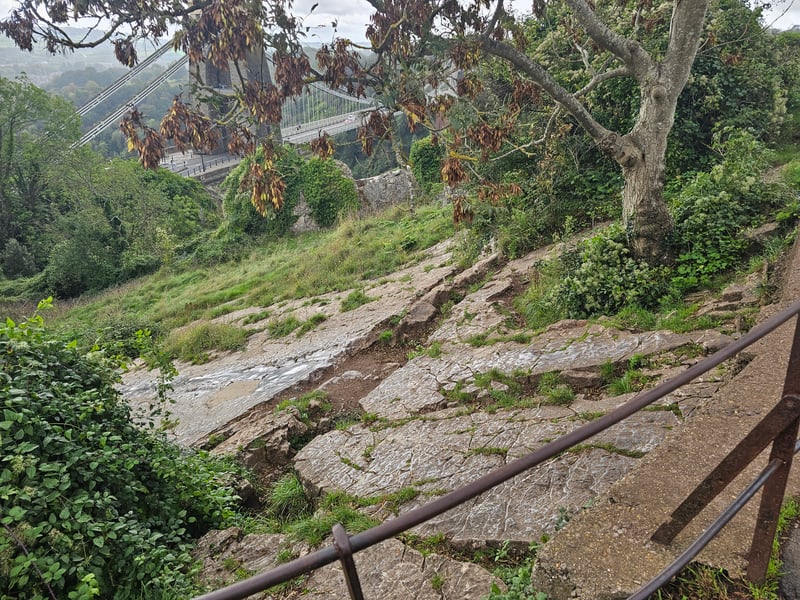
1. Ancient stone slide
Located by Clifton Observatory and overlooking the Suspension Bridge, the naturally formed rock slide is very popular among locals and visitors. | Adriana Amor
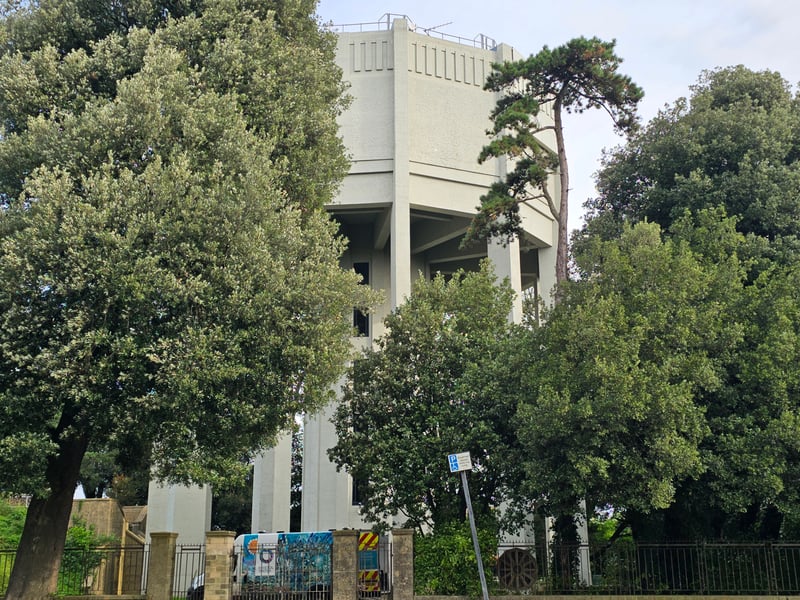
2. Water Tower and reservoir
Located next to Roman Road and Stoke Road, the reservoir was opened in 1850 by the Bristol Waterworks Company. It received water from Barrow Gurney tanks, via an inverted siphon under the Avon, providing clean fresh water for Clifton for the first time. The Water Tower was built in 1956. | Adriana Amor
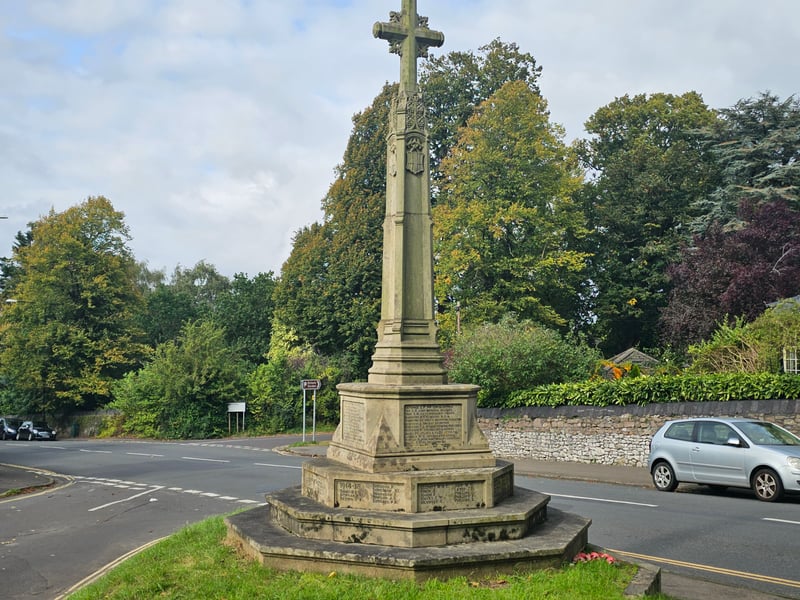
3. War memorial
The War Memorial is located between Downleaze and Stoke Hill. It was built in memory of the Stoke Bishop men who died in World War I and World War II. | Adriana Amor
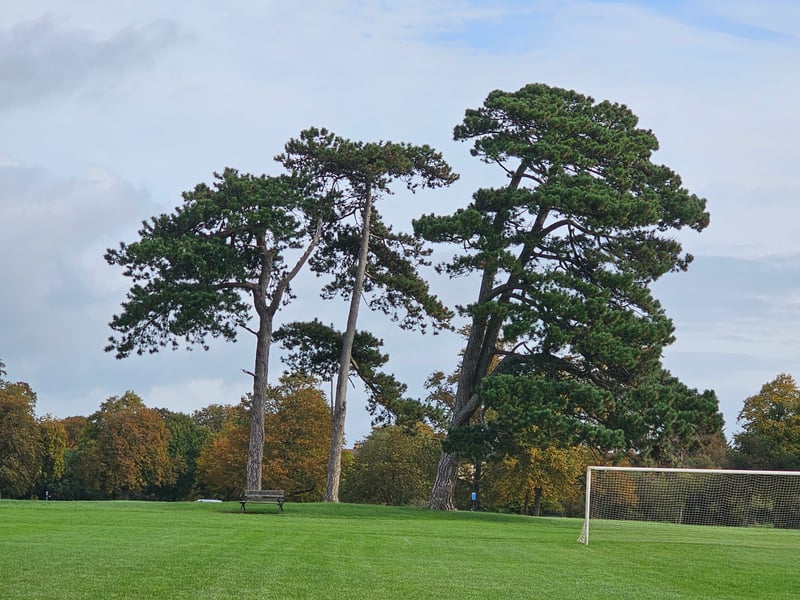
4. The Seven Sisters
Planted in the 1870s on the mound of an old, over-filled quarry, the Seven Sisters is a collection of seven Scots pines (now down to three). | Adriana Amor