
Calls for slavery memorial as derelict Bristol church goes on the market

The former Seamen’s Church & Institute dates back to 1880 and was used as a shore base for missionaries
A leading Bristol property developer has welcomed the long-awaited sale of a city centre church that has been derelict for decades.
The former Seamen’s Church & Institute on the junction of Prince Street and Royal Oak Avenue dates back to 1880 and was used as a shore base for missionaries to spread the Gospel to the crews of ships using the Bristol Channel.
The freehold property has been put on the market with unconditional offers over £550,000 by property agents Burston Cook.
It is being described by the agents as ‘a characterful building with development potential’ and marketed as a property that ‘would readily suit conversion to residential or alternative commercial uses (subject to planning)’.
Close to Queen Square and the Harbourside, the former church has a prominent position and there is sure to be plenty of interest from prospective developers.
Real estate developer Gavin Bridge of Bristol-based Spatia UK, which was responsible for the multi award-winning transformation of Finzels Reach on the site of the old Courage brewery, says the former Seamen’s Church & Institute offers plenty of potential.
He said: “For too long this building has been a blot on the Queen Square landscape and this important route from Temple Meads to the Floating Harbour.
“It won’t be an easy task for whoever takes it on. For example, would you reinstate the original chapel building shape or improve the current mixture of gothic juxtaposed with art deco?
“As for uses, a museum and exhibition space would work well here but I think there is also a case for modest residential or workspace on upper floors. Perhaps a combination of both?”
The former church has for years been owned by Yorkshire brewery Samuel Smith, which also owns the abandoned plot of land next to the Arnolfini on the harbourside.
It is not yet known whether Samuel Smith plans to sell off that land but there are already calls for it to be used as a space to remember the city’s connections with the slave trade.
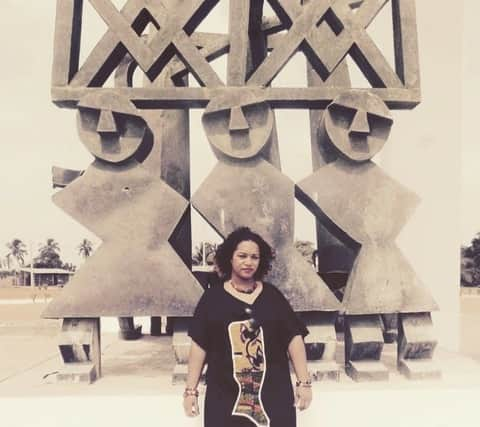

Cleo Lake-Ayiih, the former Lord Mayor of Bristol, who is also a Legacy Steering Group member and Abolition Shed Collective spokesperson, said the plot next to the Arnolfini would be an ideal space for a memorial and memorial garden.
She said: “It is a harbourside location and in close proximity to the former Seaman’s Mission on Prince Street, where we are advocating for Bristol’s first dedicated centre telling the story of Bristol’s connection to the transatlantic trade and trafficking in enslaved Africans and its abolition.
“This work is overdue and very much needed so that everyone can learn and through a dedicated memorial space, reflect and pay their respects to the lives that were so cruelly exploited to build the wealth of the city, institutions and elite families.
“Bristol’s Legacy Steering Group is also focused on memorialisation as a work plan going forward so this very much supports that aim.”