
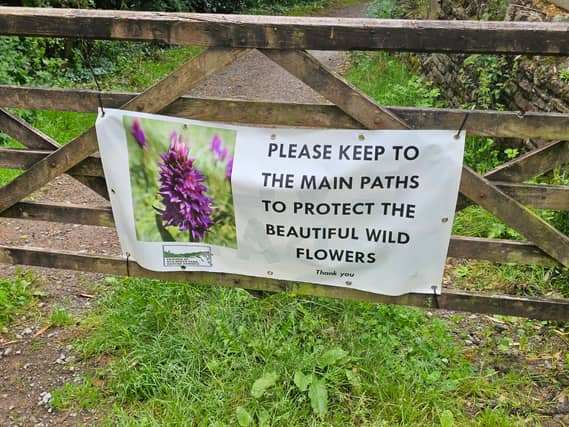

Located in Sneyd Park, near Stoke Bishop in north west Bristol, the 16-acre area of land that forms Old Sneed Park Nature Reserve was once part of a deer park dating back to 1274.
The land was given to the Bishops of Worcester by William the Conqueror until the dissolution of the monasteries between 1534 and 1539 when Henry VIII gave the estate to major landowner Ralph Sadlier.
It was transferred to Bristol City Council in 1984, and following concerns about the overgrown and unkept valley in 1994, and several meetings with Bristol City Council, residents and Avon Wildlife Trust, The Friends of Old Sneed Park Nature Reserve (FOSPNR) was formed in 1995.FOSPNR have since been carrying out conservation work to support the wildlife haven with organised talks, guided walks and activities for children.
Old Sneed Park Nature Reserve is open to the public all the time and includes multiple meadows, woodland and a lake full of ducks. An accessible gravel path can be found throughout the main paths.
There are also many sculptures including the wicker whale sculptures, moved to an adjourning field in 2016. Also, watch out for artwork showing Bumpsy, plus a wall of Mr Men!Here are 13 photos from our trip to Old Sneed Park Nature Reserve and the nearby areas:
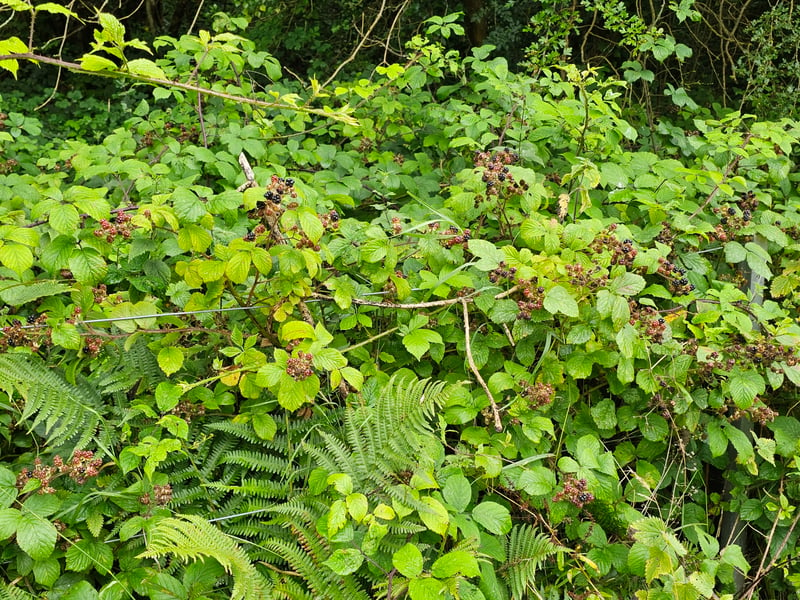
9. Blackberries
There are multiple blackberry bushes in the nature park and visitors are welcome to pick blackberries. | Adriana Amor
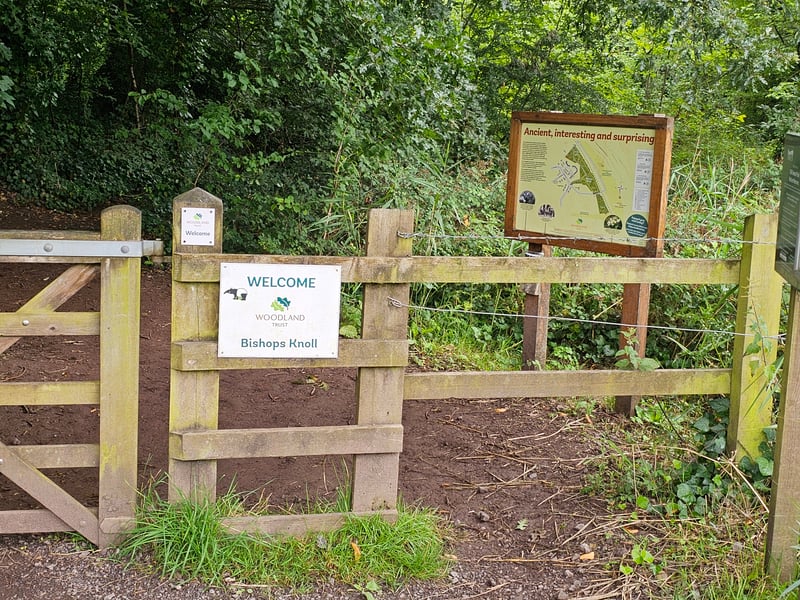
10. Bishops Knoll
The entrance to Bishops Knoll woodland can be found on the southwest of the nature park, next to the lower meadows. | Adriana Amor
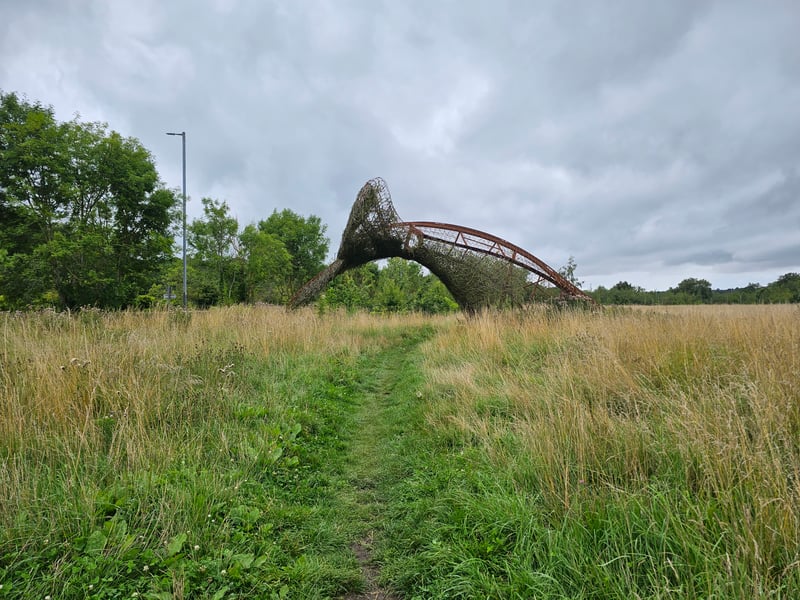
11. Wicker Wales
Found in Bennett’s Patch and White’s Paddock Nature Reserve, next to Old Sneed Park Nature Reserve, the wicker whales are an art installation for Bristol’s European Green Capital to raise awareness of plastic pollution in the world’s oceans. | Adriana Amor
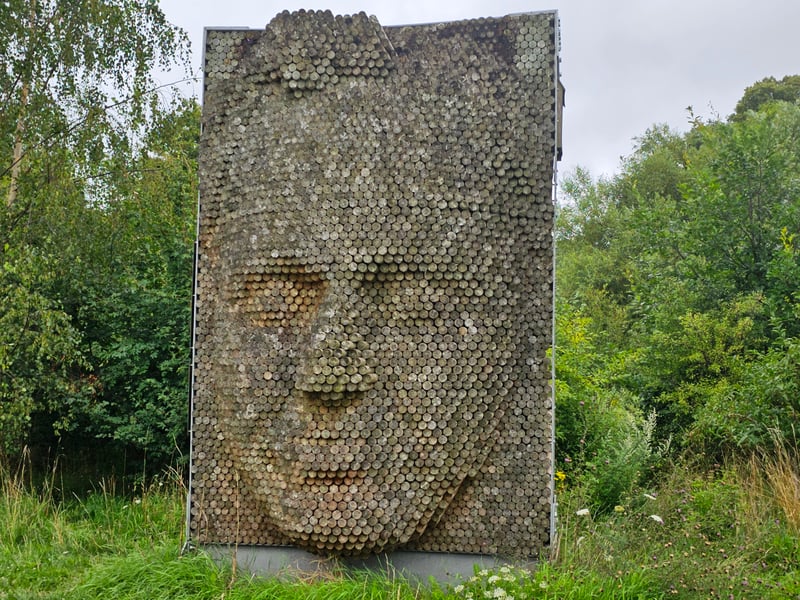
12. Ruth
A memorial sculpture celebrating the courage and fortitude shown by the women of Bristol during the Second World War found in Bennett’s Patch and White’s Paddock Nature Reserve. The sculpture was designed in partnership with Avon Wildlife Trust and incorporates habitats for birds, bats, amphibians and invertebrates. | Adriana Amor