
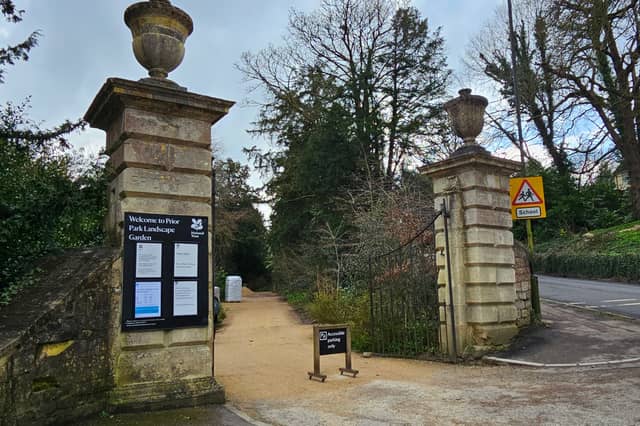

Located next to Widcombe, Bath and the Bath Skyline, Prior Park Landscape Gardens dates back to the 18th century and is home to one of only four Palladian bridges found in the world.
The park was commissioned by Ralph Allen, who came from a humble working background but made a fortune after becoming postmaster in Bath - and soon taking over the entire system outside of London - and from investing in the stone quarries at the nearby Combe Down.
Prior Park was built by architect John Wood - who pioneered Palladian-style buildings - to showcase the beauty and quality of Allen's stone. Allen also received support with the garden design from his friend Alexander Pope, a well-known poet and pioneer of the landscape movement.
The garden was abandoned after Allen died in 1764. In 1993, the National Trust took over the gardens, intending to restore them to their original state at the time of Ralph Allen's death.
The restoration project started in 2007 - aided by the Heritage Lottery Fund - and saw the creation of the Serpentine Lake, the reconstruction of the Cascade and the restoration of the Cabinet (an outdoor room ideal for special events).
The stunning gardens are open seven days a week from March to December from 10am to 5pm (last entry at 4pm) and on weekends from October to February from 10am to 4pm (last entry at 3pm).
Entry costs £10 (£11 with gift aid) per adult, £5 (£5.50 with gift aid) per child, £25 (£27.50 with gift aid) per family and £15 (£16.50) for one adult and two children and free for under 5s and National Trust members.
Here are 33 photos from our visit to Prior Park Landscape Gardens:
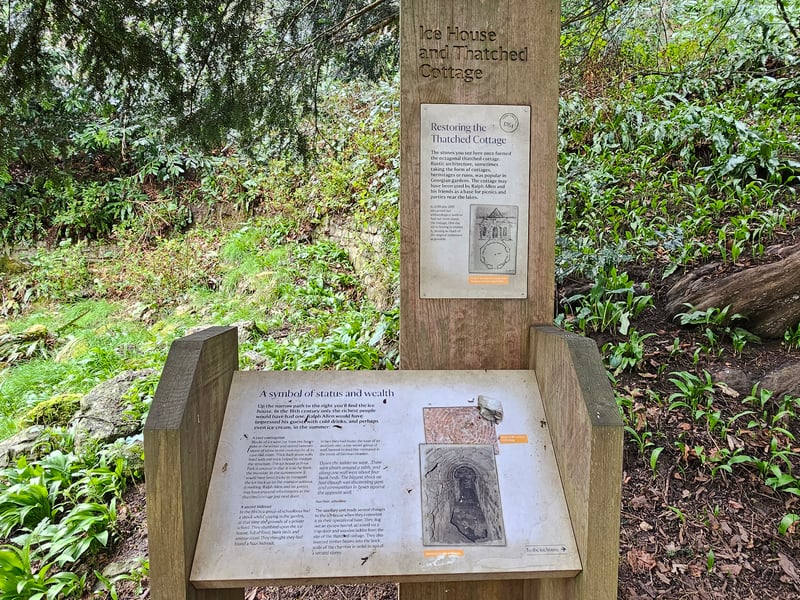
29. About the Ice House and Thatched Cottage
The information boards near Thatched Cottage ruins give some background information about the building and the nearby Ice House - a symbol of status and wealth in the 18th century. | BristolWorld
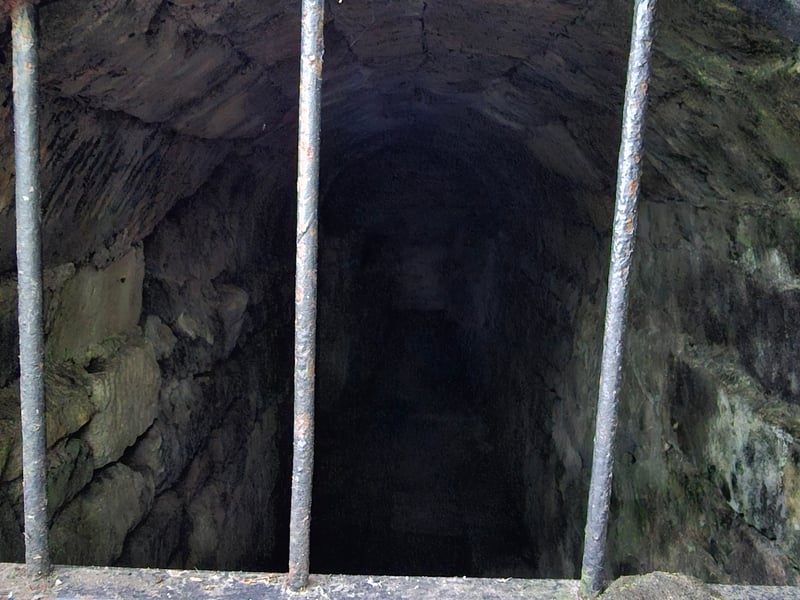
30. Ice House
Only the richest people would have had one in the 18th century. Blocks of ice were cut from the frozen lake during the winter and stored between layers of straw in the cold depths of its cave-like room, which was insulated by the tick Bath stone walls. Its distance from the mansion suggests that Ralph Allen and his guests would have enjoyed the refreshments in the nearby thatched cottage during the summer instead. The Ice House was converted into an auxiliary unit formed by a top-secret group of men to lead the resistance in the event of a German invasion. They made some changes to the ice house including digging out an escape tunnel, accessed via a trap door and wooden ladder from the site of the thatched cottage, and inserting timber beams into the brick walls of the chamber to install a second storey. | BristolWorld
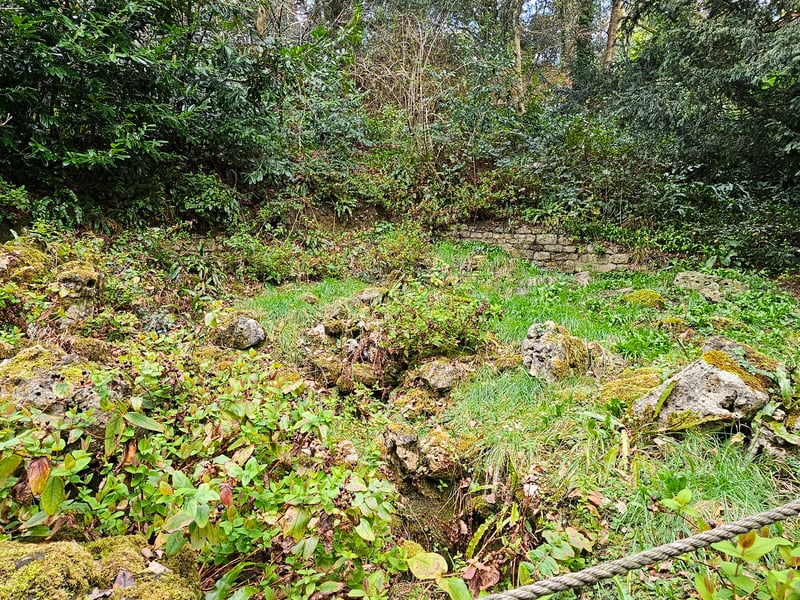
31. Thatched Cottage Ruins
Archaeological work was carried out in 2010 and 2013 to find out more about the cottage, which is believed to have been used by Ralph Allen and his friends as a base for picnics and parties near the lake. The National Trust hopes to one day restore the cottage, reusing as much of the original stonework as possible. | BristolWorld
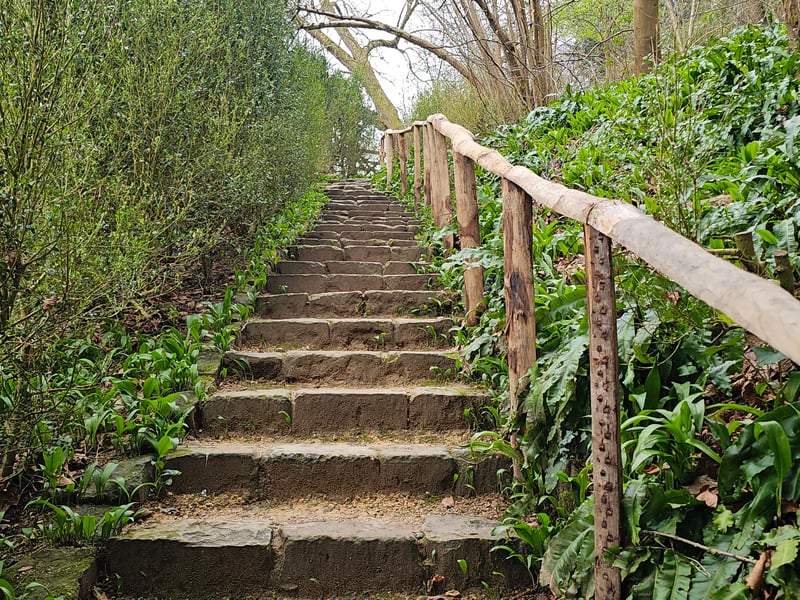
32. More Steps
More steps lead back to the circular path from the lakes and the Palladian bridge. | BristolWorld