
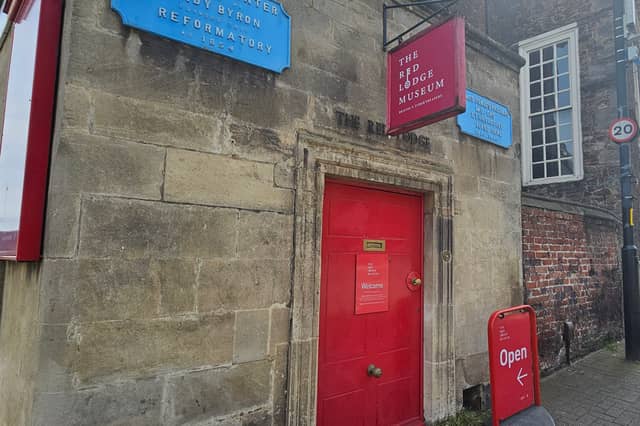

Located on Park Row, The Red Lodge Museum explores four centuries of history, from the "royal party house" of the 16th Century to a Victorian reform school for girls.
The building was constructed in 1580 on the site of The Great House on St. Augustine's Back, which is now home to Bristol Beacon and was possibly designed by Sebastiano Serlio, an Italian Mannerist architect, who was part of the Italian team building the Palace of Fontainebleau.
The house was first owned by Sir John Young, a merchant and decedent of a merchant family and courtier to Henry VIII and Elizabeth I, and the Red Lodge would have originally been used as an additional guest house and entertainment pavilion.
The Great House hosted Queen Elizabeth I during her visit to Bristol in 1574, who later knighted Sir John Young.
He died in 1589, and his son, Robert Young, inherited the entire estate, who then had to convey the Red Lodge to his half-brother Nicholas Strangways to avoid seizure after he had quickly spent his inheritance. The Red Lodge was rented out to various tenants as residence separate from The Great House by 1595, and eventually, the Great House was sold to Sir Hugh Smyth of Ashton Court.
During the 1730s, the house was bought by John and Mary Henley who carried out major extension works on the Red Lodge.
By 1854, the Red Lodge was bought by Lady Byron and transformed into the first-ever Girls' Reformatory by Mary Carpenter until 1917.
The building is now owned by the Bristol City Council which turned it into a free museum - but, alongside Blaise Museum and the Georgian House, it could close under council proposals to save money.
Scroll through to see 33 photos from our visit to The Red Lodge Museum.
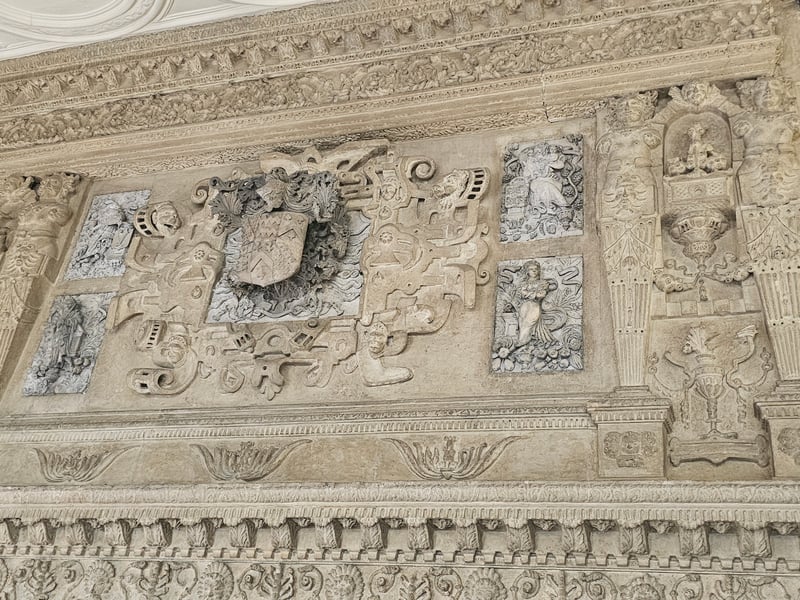
9. Intricate Fireplace
The stunning original Bath Stone fireplace in the Great Oak Room is full of intricate details, including a coat of arms, vases and people. | National World
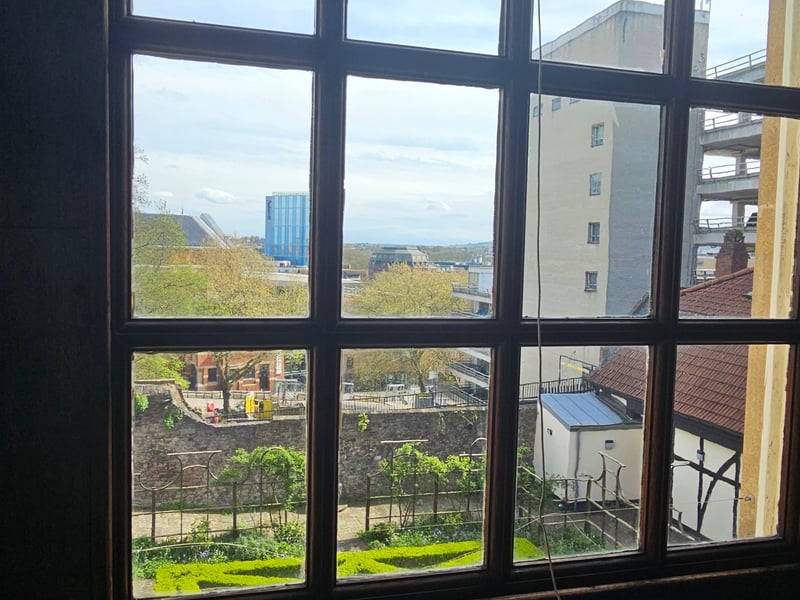
10. Beautiful Views
From the windows on the first floor, visitors can enjoy stunning views of the garden and St Augustine's Back (now the site of Bristol Beacon), where The Great House would have extended to before its demolition in 1863. | National World
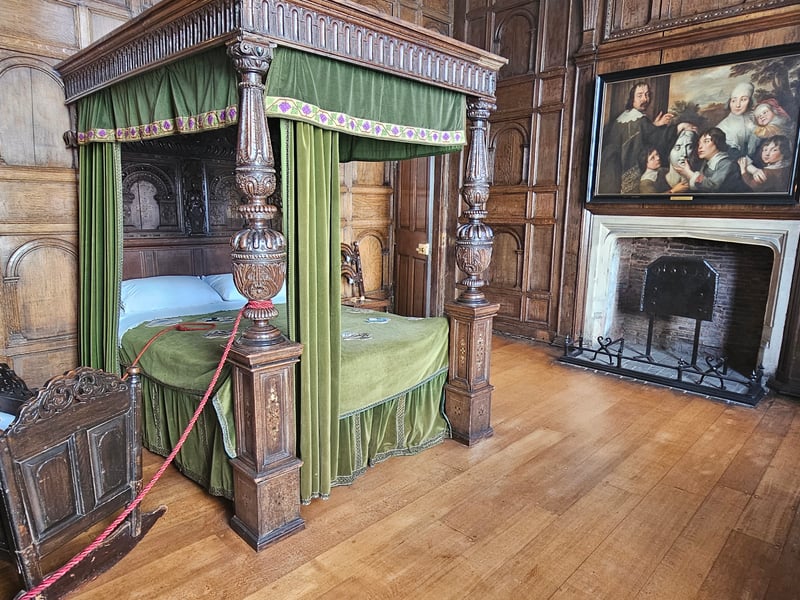
11. Bedroom
One of three original rooms on the first floor, the bed dates from C.1600 and has original painted décor and embroidered furnishings copied from Tudor motifs. | National World
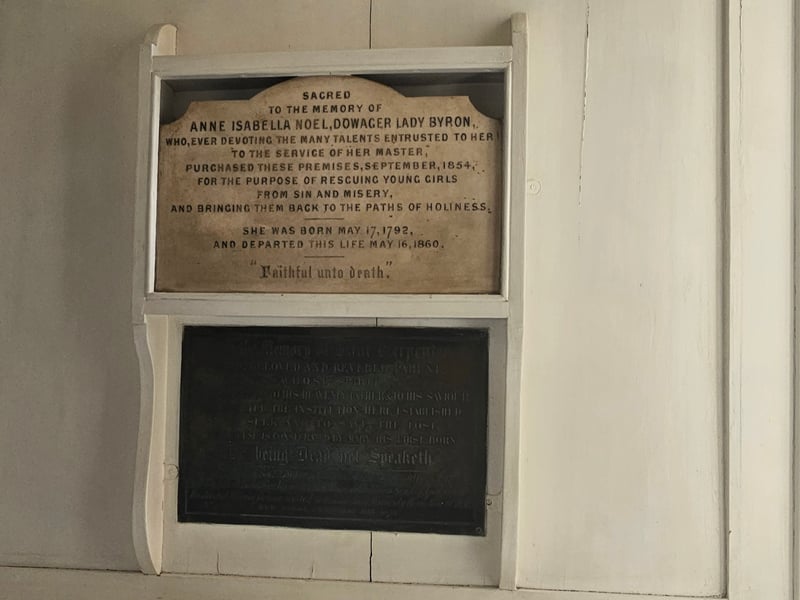
12. Plaques
The plaques in the corridor leading to the exhibition room are dedicated to Lady Byron and Lant Carpenter, father of Mary Carpenter, who established the first Reform School for girls in the world. | National World