
If you have grown in Bristol or lived in the city for a long time, you will probably be familiar with these streets and places, but may have wondered what’s the story behind them.
We’ve picked some of the city’s most famous streets and given some context to when they were built and for some, how they got their names.
Here are 11 of Bristol’s most famous streets and places and the history behind them:
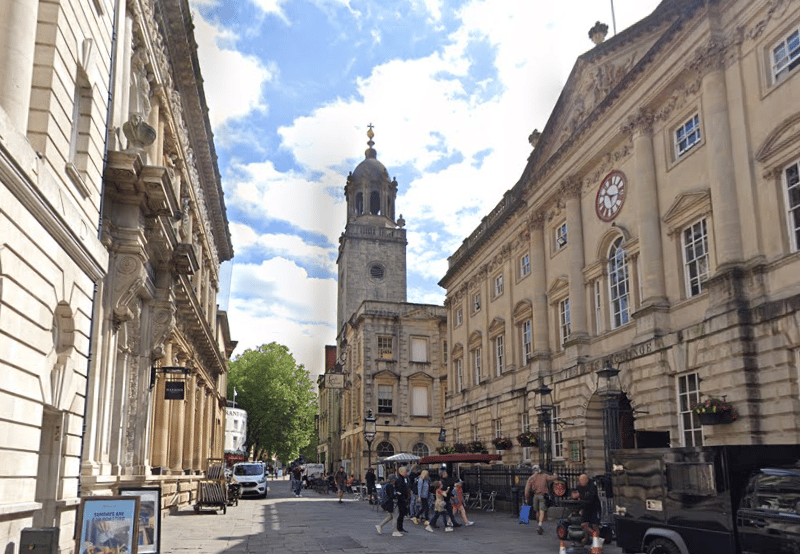
1. Corn Street
Corn Street is one of the four cross streets which met at the Bristol High Cross, the heart of the walled medieval Bristol town. It was the centre of trade from the 13th century and at the heart of Bristol's banking business from the 18th century. Nowadays, Corn Street is home to historic buildings such as the Corn Exchange and The Nails, four brass pillars used historically for merchants to strike deals. | Google Maps
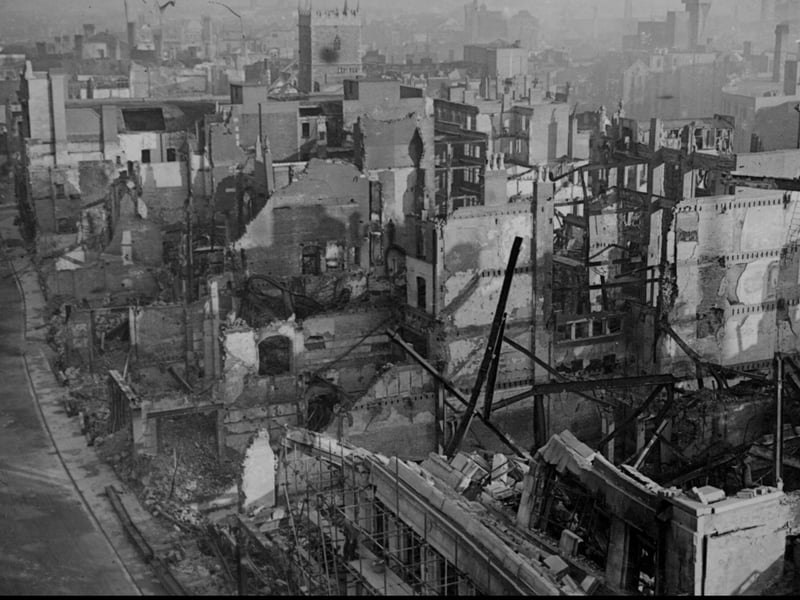
2. Wine Street
One of the original main streets of medieval Bristol, much of Wine Street's original architecture was lost in the Blitz of World War II. Still, it remains historically significant as it was home to merchants and taverns in medieval times. | Bristol Record Office / Jim Facey
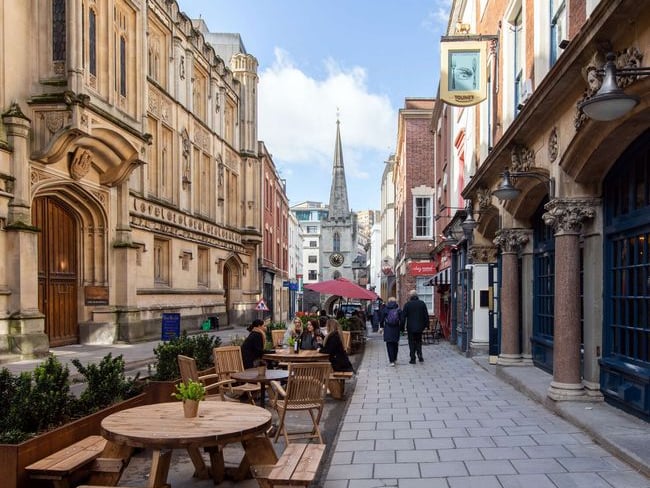
3. Broad Street
Broad Street is one of the original main streets of Bristol. Merchants would set up their stalls on Broad Street before The Exchange was built. St John's Gate (and the Church of St John the Baptist) at the bottom of the street is the last remaining part of the city wall. | Young's
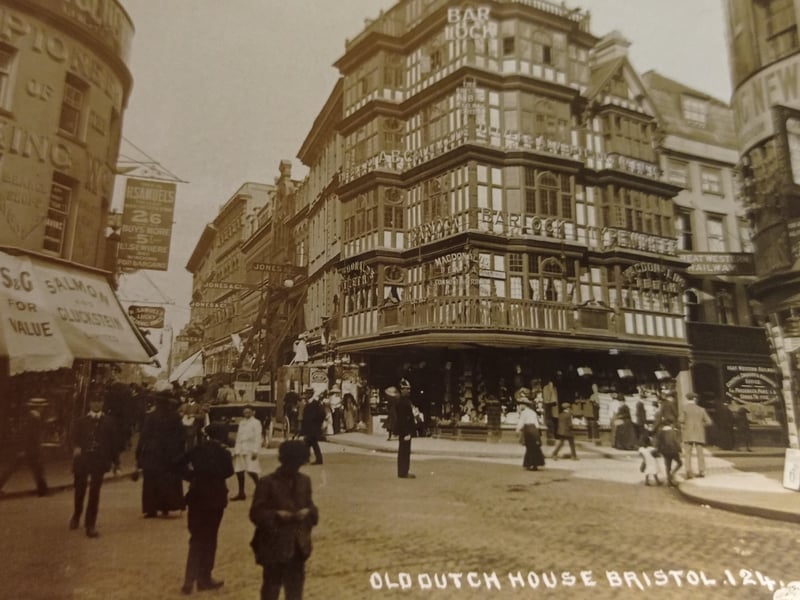
4. High Street
High Street in the city centre is believed to date back to the Saxon period and could have connected the old Saxon town to Bristol's harbour area. The street met with Wine Street, Broad Street and Corn Street at the Bristol High Cross at the heart of the walled medieval town. High Street was an important shopping street but unfortunately, many of its buildings were destroyed during World War II. | East Bristol Auctions