
Bristol is rich in history with the earliest settlements dating back to the stone age.
Bristol was known as the Saxon burgh of Brycgstow in the 10th century and the town rose to prominence in the Norman era, gaining a charter and county status in 1373.
Bristol became a city in 1542and began trading across the Atlantic.
We’ve taken a look back at the city’s ancient history and compiled the oldest streets and how they were used.
Most of the streets date back to medieval times, when Bristol was a walled city.
Scroll through to learn about the oldest streets in Bristol which still remain in the city today and how they have shaped Bristol.
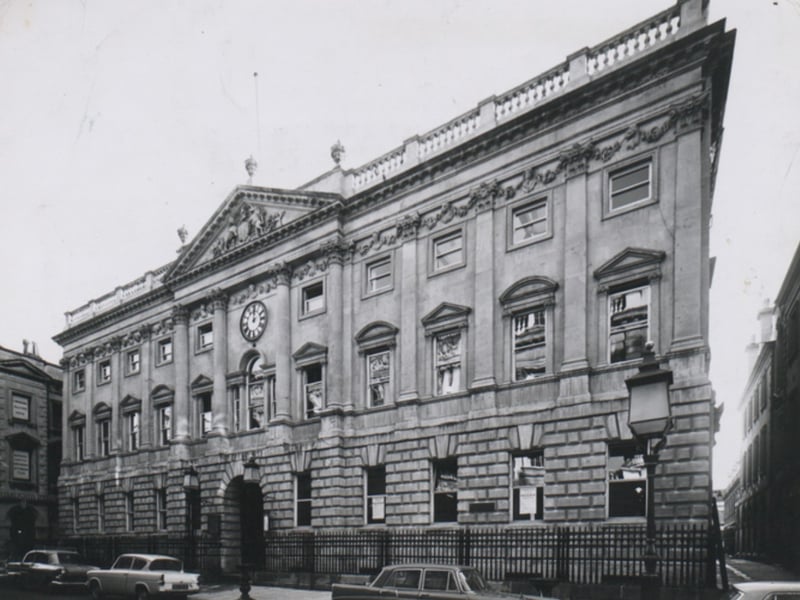
1. Corn Street
Corn Street is one of the four cross streets which met at the Bristol High Cross, the heart of the walled medieval Bristol town. It was the centre of trade from the 13th century and at the heart of Bristol's banking business from the 18th century. Nowadays, Corn Street is home to historic buildings such as the Corn Exchange and The Nails, four brass pillars used historically for merchants to strike deals. | Bristol Archives
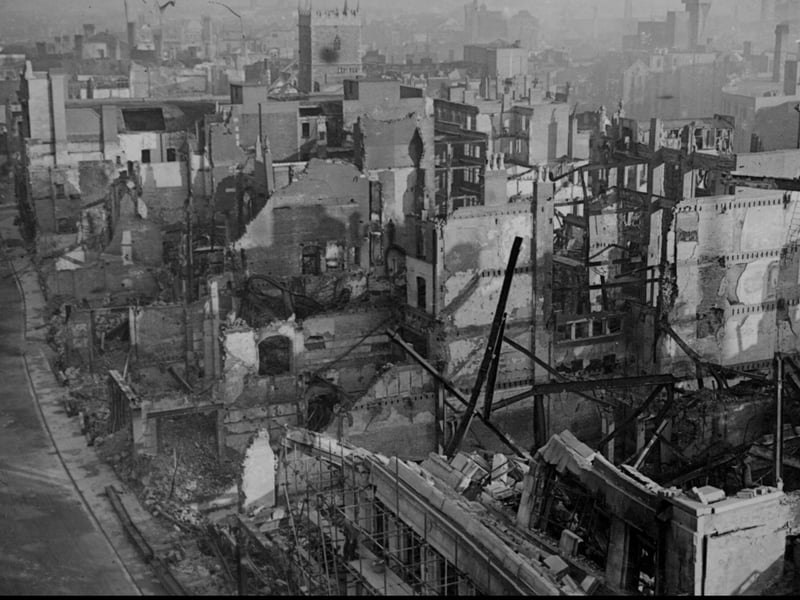
2. Wine Street
One of the original main streets of medieval Bristol, much of Wine Street's original architecture was lost in the Blitz of World War II. Still, it remains historically significant as it was home to merchants and taverns in medieval times. | Bristol Record Office / Jim Facey
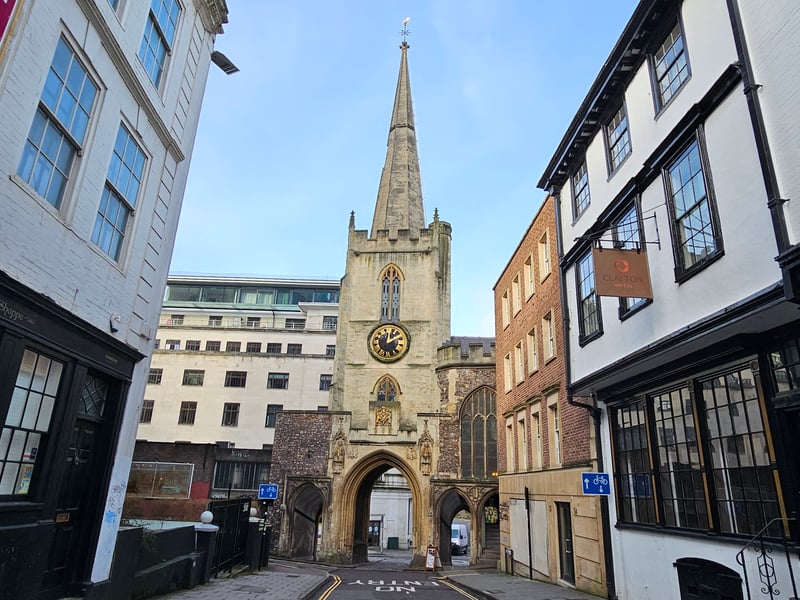
3. Broad Street
Broad Street is one of the original main streets of Bristol. Merchants would set up their stalls on Broad Street before The Exchange was built. St John's Gate (and the Church of St John the Baptist) at the bottom of the street is the last remaining part of the city wall. | National World
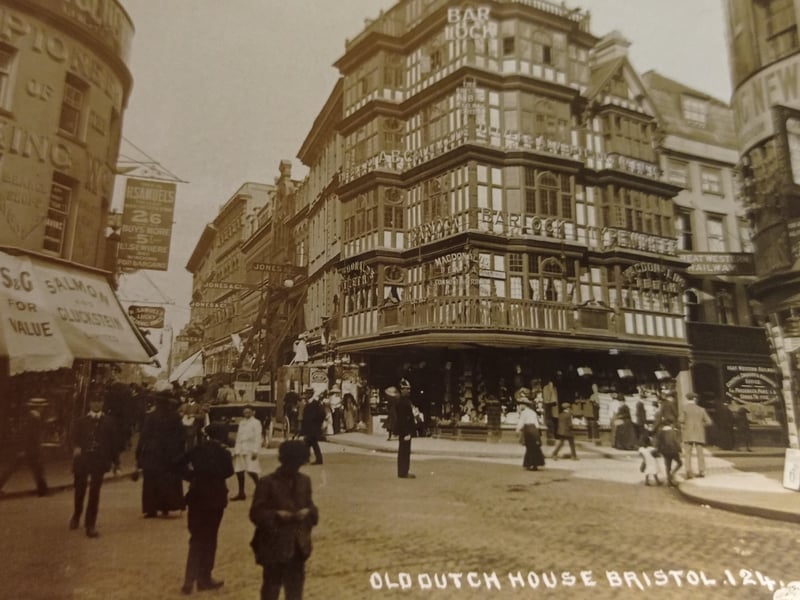
4. High Street
High Street in the city centre is believed to date back to the Saxon period and could have connected the old Saxon town to Bristol's harbour area. The street met with Wine Street, Broad Street and Corn Street at the Bristol High Cross at the heart of the walled medieval town. High Street was an important shopping street but unfortunately, many of its buildings were destroyed during World War II. | East Bristol Auctions