
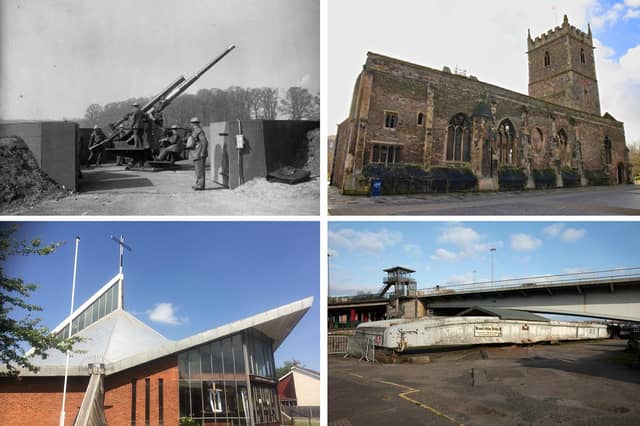

Historic England has published its annual Heritage at Risk Register which focuses on cultural heritage properties and sites that are at risk of disappearing due to neglect, deterioration or decay.
The properties and sites are given a priority ranking, ranging from ‘immediate risk of further rapid deterioration or loss of fabric’ to ‘repair scheme in progress’
The aim of the list to help guide local councils and the Government on where money should be allocated to support these landmark sites, and stop them from falling down.
Duncan Wilson, chief executive at Historic England, said: “Our heritage is an anchor for us all in testing times.
"Despite the challenges we have all faced recently, this year’s Heritage at Risk Register demonstrates that looking after and investing in our historic places can bring communities together, contribute to the country’s economic recovery and help tackle climate change.
"Our historic places deserve attention, investment and a secure future.”
Here are 12 sites in Bristol included on this year’s Heritage at Risk Register:
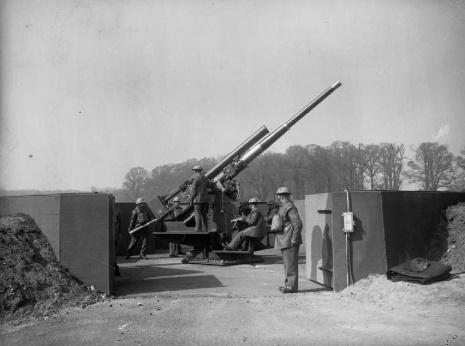
9. Anti-aircraft gun site, Purdown
Condition - Generally unsatisfactory with major localised problems Located in Stoke Park close to Highwood House, this site was used to store batteries of guns during the Second World War and housed underground bunkers. The area was designated as a ‘scheduled monument’ meaning that it is a place of archaeological importance. In 2018 volunteer charity Voscur organised a clean-up of the site but there is more work to be done to restore it. Photo: Unknown
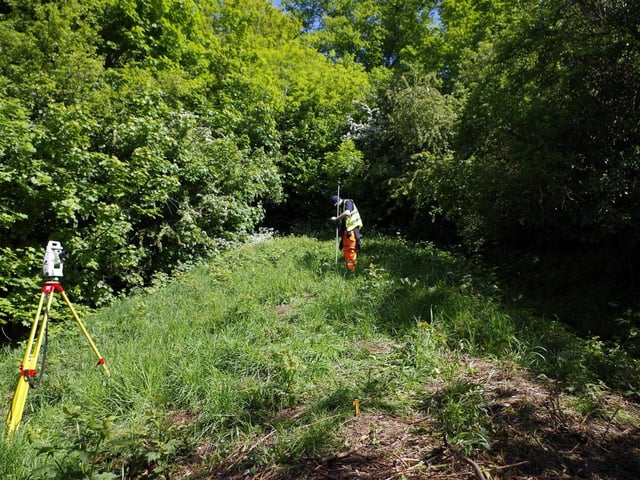
10. Civil War earthworks, Brandon Hill
Condition - Generally satisfactory but with significant localised problems Brandon Hill is the home of fortified constructions made of dirt, known as earthworks, which helped Bristol protect itself in the civil war of the mid-17th Century. There is evidence of a water fort as well as a regular fort on the hill. Bristol City Council commissioned Wessex Archeology West to do an assessment and survey of the area. Photo: Wessex Water
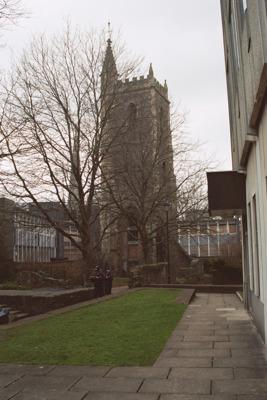
11. St Mary Le Port Church, Castle Park
Condition - Extensive significant problems This church was built in 1929 by architect P Hartland Thomas in the Gothic Revival style. The tower which is from the 15th Century and was of the Perpendicular Gothic style is the only part of the church that remains while the rest was destroyed by bombs in WWII. It is one of the five ancient central Bristol churches. Photo: Historic England
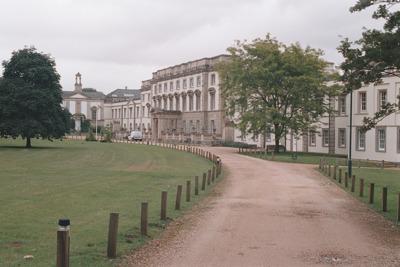
12. Brislington House
Condition - Deterioration - in need of management A former asylum which opened in 1806, this property has been renamed Long Fox Manor after Dr Edward Long Fox who bought the property initially and set up the asylum. It consisted of a garden, two villas and two cottages. The land has been repurposed into a sixth form college, football centre as well as an apartment complex. The original grounds are grade II listed. Photo: Historic England