
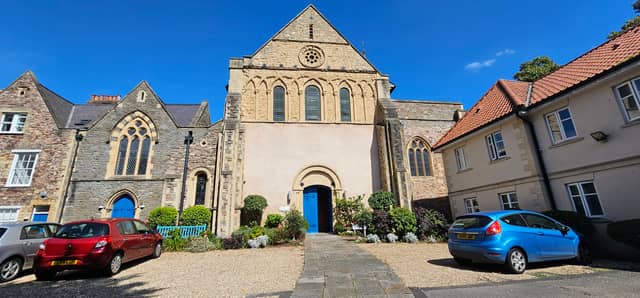

From churches that are almost a millennia to 15th century pubs, the city of Bristol is flowing with history.
We have compiled the oldest buildings in the city ranging, from the 12th century to the 18th century.
Scroll through to take a journey through time and learn about the 20 oldest, most influential buildings still standing in Bristol today.
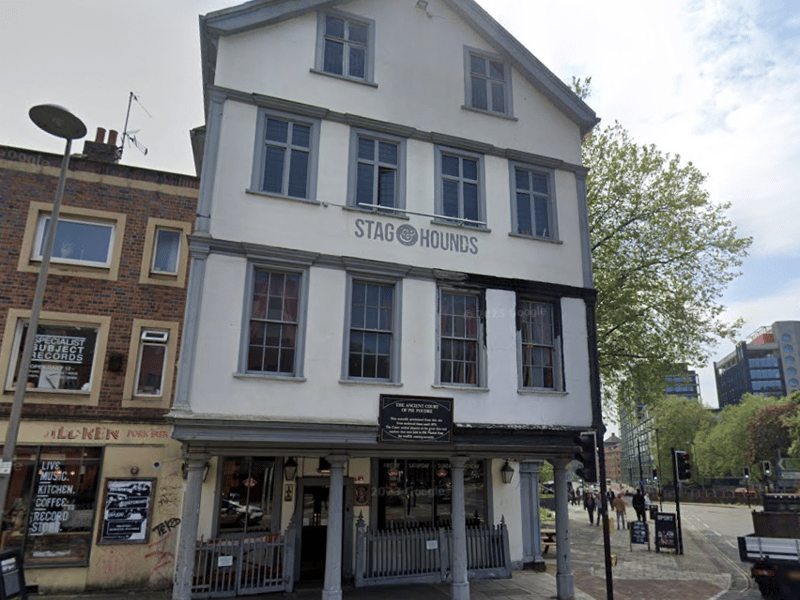
9. Stag & Hounds, Old Market -15th century
The pub dates back to the 15th century and was originally used as a court of pie powder (a court held at markets to deal with disputes between traders and customers). | Google Maps
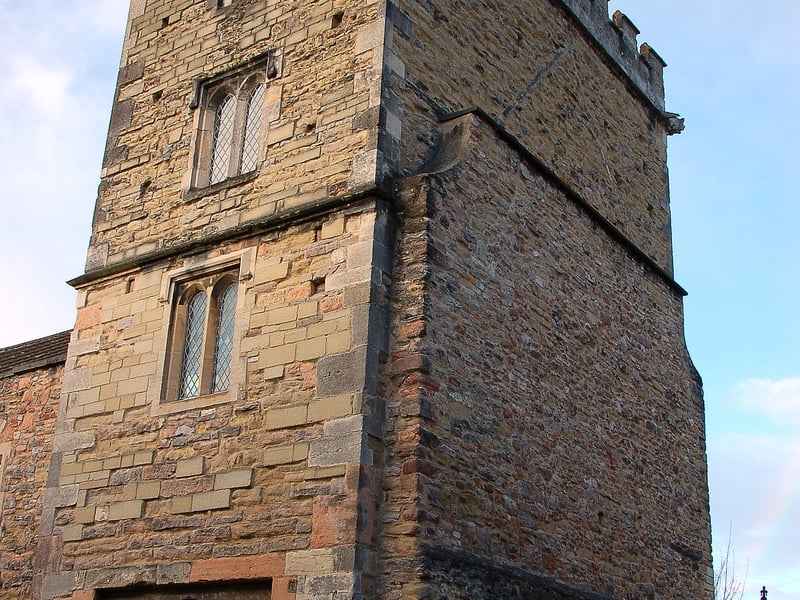
10. Westbury College Gatehouse- 1459–1469 (rebuilt 1709)
The Gatehouse originally formed part of Westbury College, a residence for the dean and canons of Holy Trinity Church. The college building was fortified with towers, turrets and battlements surrounding a quadrangle, onto which the gatehouse opened. The college became a private dwelling in 1544 after the Dissolution of the monasteries. The Grade-I listed Westbury College Gatehouse was acquired in 1907 by the National Trust, and is currently on a 100-year lease to Holy Trinity Church. It is managed by the church as a local meeting place and is regularly used by the church youth groups, as well as the local Air Cadets 2442 Squadron and the local school Westbury Primary's After School Club. | Steinsky, CC BY-SA 3.0 <http://creativecommons.org/licenses/by-sa/3.0/>, via Wikimedia Commons
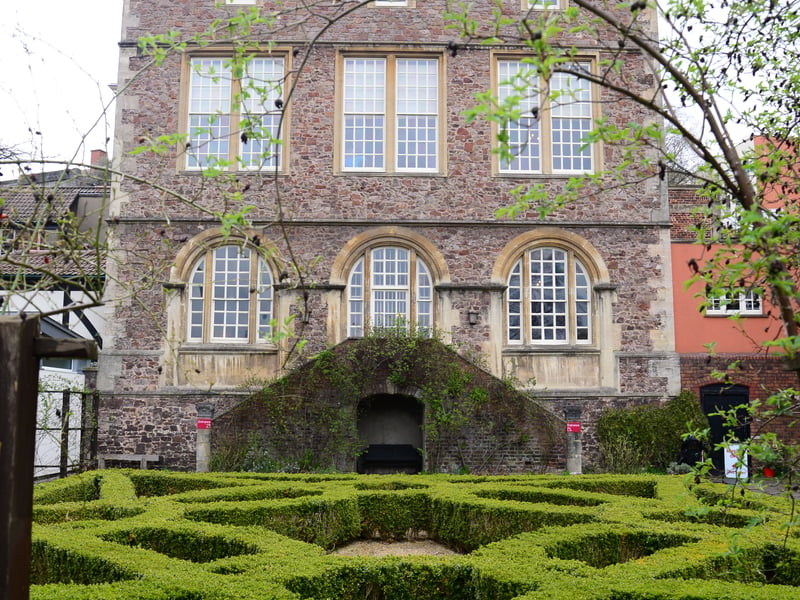
11. The Red Lodge - 1589
Located on Park Row, The Red Lodge Museum explores four centuries of history, from the "royal party house" of the 16th Century to a Victorian reform school for girls. The building was constructed in 1580 on the site of The Great House on St. Augustine's Back, which is now home to Bristol Beacon and was possibly designed by Sebastiano Serlio, an Italian Mannerist architect, who was part of the Italian team building the Palace of Fontainebleau. The house was first owned by Sir John Young, a merchant and descendant of a merchant family and courtier to Henry VIII and Elizabeth I, and the Red Lodge would have originally been used as an additional guest house and entertainment pavilion. The Great House hosted Queen Elizabeth I during her visit to Bristol in 1574, who later knighted Sir John Young. During the 1730s, the house was bought by John and Mary Henley who carried out major extension works on the Red Lodge. By 1854, the Red Lodge was bought by Lady Byron and transformed into the first-ever Girls' Reformatory by Mary Carpenter until 1917. The building is now owned by the Bristol City Council which turned it into a free museum. The Red Lodge Museum is open from 11am to 4pm, Saturday to Tuesday. | Shutterstock
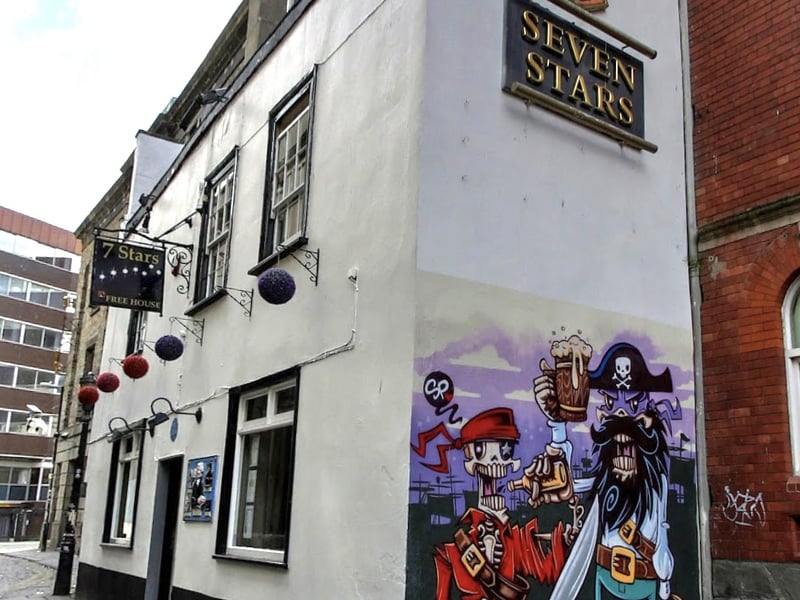
12. Seven Stars - late 1500s/early 1600s
Next to the Fleece music venue and St Thomas the Martyr Church, Seven Stars is now a popular real ale pub and dates back to the late 1500s. The pavement still has iron edges to prevent damage by heavy cart-wheeled carriages. The pub is most famous for its links with the abolition of slavery. Abolitionist Thomas Clarkson visited in 1787 and used the pub as a base for his research into Bristol’s slavery trade. | Google