
'It's not about being male or female - it's about being judicial'
A transgender female magistrate from Weston-Super-Mare is encouraging others from the LGBT+ community to join them and volunteer to help deliver local justice.
Being a magistrate is a key role in the community and provides individuals with transferable life skills to help at home or in the workplace.
Maz, 69, has been a magistrate since 2002 and was one of the first openly transgender people to take on the role in the UK.
She says she felt supported throughout the process of transitioning and hopes that more LGBT+ people will feel empowered to sit in an inclusive judiciary.
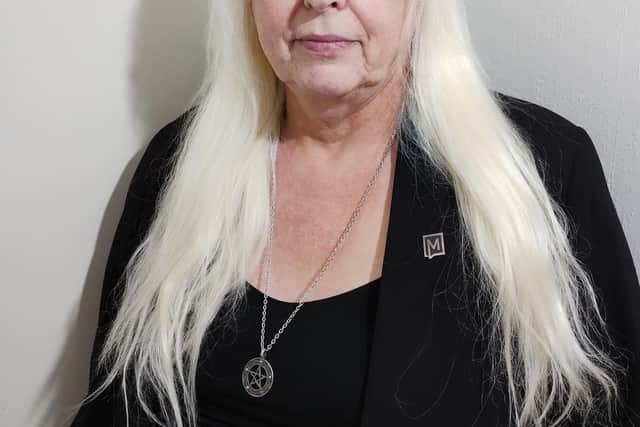

She says: “When I transitioned the whole legal team at north Somerset were fantastic, they allowed me to get used to being me. When I came back to court I got a standing ovation and we had a dinner and dance to introduce myself as the new me, or as I said, the real me.
"I have never had a problem in court. I have had one advocate misgender me but I corrected him. I was the first in my area, I have spoken to a couple of trans judges but there are not many – but we are less than 1% of the population anyway.
"Most trans people disappear. We don’t do it to draw attention to ourselves, when we transition it’s about us becoming us, it’s not for the benefit of anyone else. It’s not about becoming a public figure.
“I don’t wave a flag in the community out in the world because there are still people who are hostile but in court I am me, I sit in the chair in the middle and I control the court. Being a magistrate is not about being male or female it’s about being judicial."
Maz retired from her position in the NHS in 2012 and also owned a motorcycle shop and training school. She has been a wheelchair user since 2018 after problems in her knees and hips from arthritis increased.
“My body gave up, I did too much for too long,” she said.
“I had a Class 1 HGV licence, I learned to fly a plane, I have raced cars and motorbikes. I was working six days a week, doing double shifts and putting everything into my business.
“I had a couple of operations that went wrong, I had a pulmonary embolism which killed me technically for a few minutes but I was revived. I can stand but I have no balance and coordination so use a wheelchair.”
Maz is able to serve as a magistrate in her local court which has wheelchair access. People do not need any legal background or experience to become a magistrate. They get support from a mentor and legal adviser to help with every case and all new magistrates will have training to understand their role.
What matters are strong communication skills, a sense of fairness, and an ability to consider different sides of an argument in a professional way. You need an open mind, rational thinking, and willingness to work in a team.
Magistrates are volunteers – which means they are not paid – who must serve at least 13 days per year (made up of full days or half days), plus training.
Employers are legally required to allow time off for this important public role. If your employer does not allow paid time off, or you are self-employed, you can claim loss of earnings of up to £134.96 per day.
Maz says she has found a new purpose as a magistrate and the challenges and responsibilities of the role are matched by the rewards.
She said: “I came into it because I felt it was time I did something in the community. I knew that transitioning was going to wreck my home life and break everything so I enjoyed the satisfaction of coming into court and resolving issues one way or another.
“Any conviction changes a life. Having something serious in court is sobering, but at the end of the day I have delivered justice.
“There is a huge responsibility that goes with it but it’s rewarding. There is such camaraderie among magistrates - we are not special, we have just stepped up.
“But anybody can do it, adjustments can be made. As long as you have good character and are prepared to do the training it could be you next.”
Could you make the first step? Find out more about how to become a magistrate now.